Lip Shaping for New Practitioners: Beyond Volume
Jenna Hickson
5 minute read
Back to blog
You may feel competent placing product, but are you truly shaping a lip or just increasing its size? Many new practitioners focus on volume and miss the subtle anatomy and proportions that create a natural, balanced result. This piece explains the clinical difference between adding filler and intentional shaping, what to assess during consultation, the key landmarks to respect, and how to avoid the overfilled appearance clients fear. Practical detail and clear judgement help you move from competent injector to thoughtful lip artist.
Lip Shaping for New Practitioners: Beyond Volume, What shaping actually means
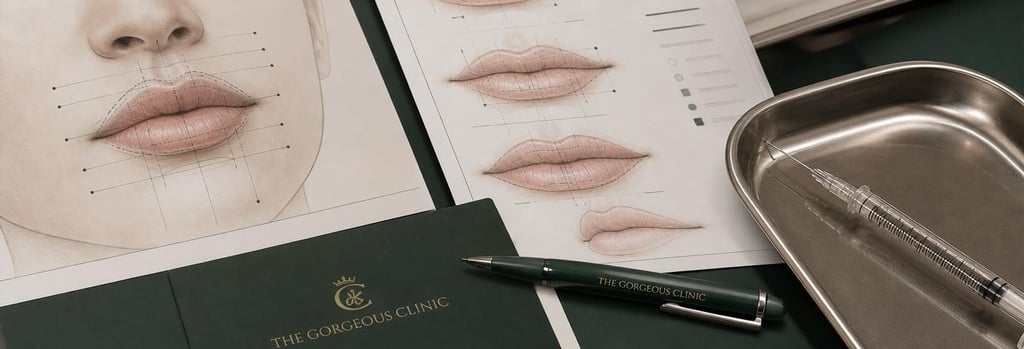
Shaping is deliberate alteration of form, not simply increasing size. Volume adds fullness. Shaping manipulates landmarks and proportions: the cupid's bow, vermilion border, tubercles, wet-dry junction and anterior projection. When you shape, you think three-dimensionally. You assess tissue thickness, muscle activity and how the lip sits against the teeth and philtrum. A well-shaped lip restores harmony between upper and lower lips, and between lips and the surrounding lower face.
For a novice injector, the practical difference is intention. Adding 0.5 ml into the body of the lip will increase fullness. Shaping might use smaller, targeted deposits to refine the cupid's bow, subtly evert the vermilion border or improve projection without gross enlargement. That judgement keeps results tasteful and reduces revision work.
For a novice injector, the practical difference is intention. Adding 0.5 ml into the body of the lip will increase fullness. Shaping might use smaller, targeted deposits to refine the cupid's bow, subtly evert the vermilion border or improve projection without gross enlargement. That judgement keeps results tasteful and reduces revision work.
Key landmarks to respect
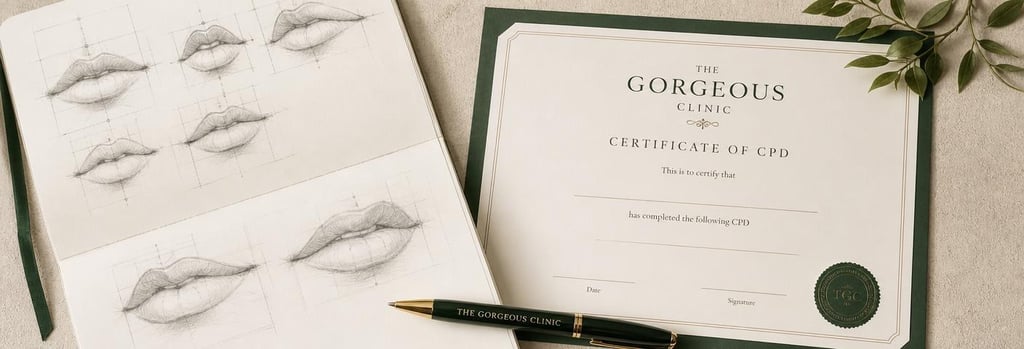
Understanding landmarks prevents common mistakes. The cupid's bow gives the lip character; over-softening it blurs a natural outline. The vermilion border is the edge between lip and skin; subtle support here sharpens definition without an obvious filler look. Tubercles, the small central projections of the upper lip, are age-defining. Restoring subtle tubercle height can read as youth more than bulk.
Assess the wet-dry border and projection. Increasing hydration through internal support can improve the wet line and apparent fullness without excessive external volume. Consider dynamic movement: some lip shapes look fine at rest but pucker unnaturally when speaking. Mapping these landmarks before treatment reduces the risk of an overfilled or artificial appearance.
Assess the wet-dry border and projection. Increasing hydration through internal support can improve the wet line and apparent fullness without excessive external volume. Consider dynamic movement: some lip shapes look fine at rest but pucker unnaturally when speaking. Mapping these landmarks before treatment reduces the risk of an overfilled or artificial appearance.

Assessment and planning
A short, structured assessment separates confident shaping from guesswork. Start with proportion: compare upper and lower lip height, philtrum length and the lower face vertical thirds. Assess tissue quality: thin, scarred or previously overfilled tissue alters how product settles. Check smile dynamics and orbicularis oris tone. Discuss desired change clearly, using photographs and conservative visual language.
Plan conservative, staged treatments. Many mistakes come from trying to solve multiple issues in one visit. If projection is needed, a small amount along the midline combined with careful cupid's bow support can achieve lift without broad swelling. Always document mapping and take standard pre-treatment photos for future reference.
Plan conservative, staged treatments. Many mistakes come from trying to solve multiple issues in one visit. If projection is needed, a small amount along the midline combined with careful cupid's bow support can achieve lift without broad swelling. Always document mapping and take standard pre-treatment photos for future reference.
Techniques that shape, not overfill
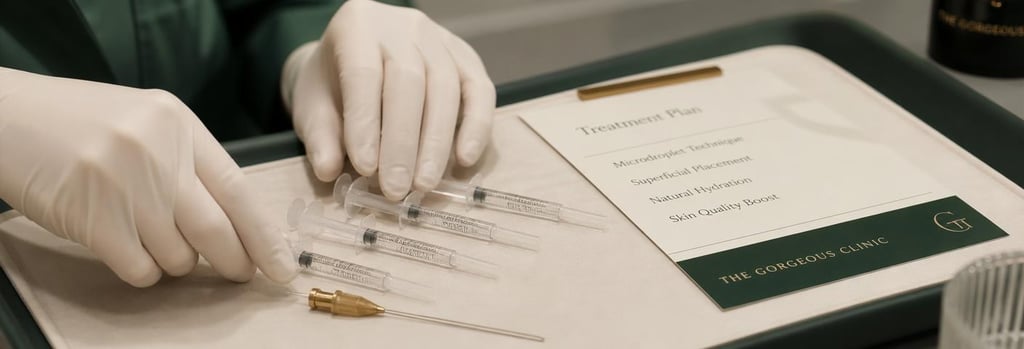
Techniques for shaping are about placement and vector, not volume. Microbolus or serial microdroplet placement along the vermilion border can refine definition. Targeted midline support lifts projection without widening the lip. Small deposits to the tubercles restore central fullness and flirtation of the cupid's bow. When hydration is the goal, consider injectable moisturisers and skin boosters to improve texture and wet-line appearance with minimal bulk.
Cannula versus needle decisions matter for bruising and spread. Always choose an approach within your skillset and local prescribing rules. If you need complementary treatments such as skin boosters, those can be planned as staged adjuncts rather than trying to fix everything with one filler session. For related hydration options see [[LINK:injectable-moisturisers-1|Injectable moisturisers & skin boosters]].
Cannula versus needle decisions matter for bruising and spread. Always choose an approach within your skillset and local prescribing rules. If you need complementary treatments such as skin boosters, those can be planned as staged adjuncts rather than trying to fix everything with one filler session. For related hydration options see [[LINK:injectable-moisturisers-1|Injectable moisturisers & skin boosters]].
Common mistakes and safer habits
The overfilled look usually comes from ignoring proportion, overestimating product needs, and treating without dynamic assessment. Common errors include overfilling the body while neglecting cupid's bow refinement, or adding width to compensate for lack of projection. Avoid topping up to 'match' an aesthetic ideal without considering facial balance.
Safer habits are straightforward: measure, map, use small volumes, photograph, and plan staged treatments. Build skills through supervised practice and advanced training. The Academy lip masterclass covers advanced assessment and tasteful shaping strategies so you can make nuanced choices safely. If you are considering treatment, a consultation is the safest place to start.
Safer habits are straightforward: measure, map, use small volumes, photograph, and plan staged treatments. Build skills through supervised practice and advanced training. The Academy lip masterclass covers advanced assessment and tasteful shaping strategies so you can make nuanced choices safely. If you are considering treatment, a consultation is the safest place to start.
Ready to grow?
Our academy is free to join, and we have some incredible resources for every practitioner from beginner to expert.
View Courses
Whatsapp Our Booking Team