Free Aesthetics Training: What Can You Actually Learn?
5 minute read
Back to blog
You want to learn more about aesthetics without paying for another full course, and that is sensible. Free aesthetics training can help refresh theory, sharpen consultation skills, explain common complications and give practical aftercare principles. It is not a shortcut to qualification, nor should it be used to start hands-on practice alone. The Gorgeous Clinic Academy provides some free learning areas precisely to support those early steps, so you can be clearer about what paid training or supervised practice you will need next.
Free Aesthetics Training: What Can You Actually Learn?, What free training actually covers
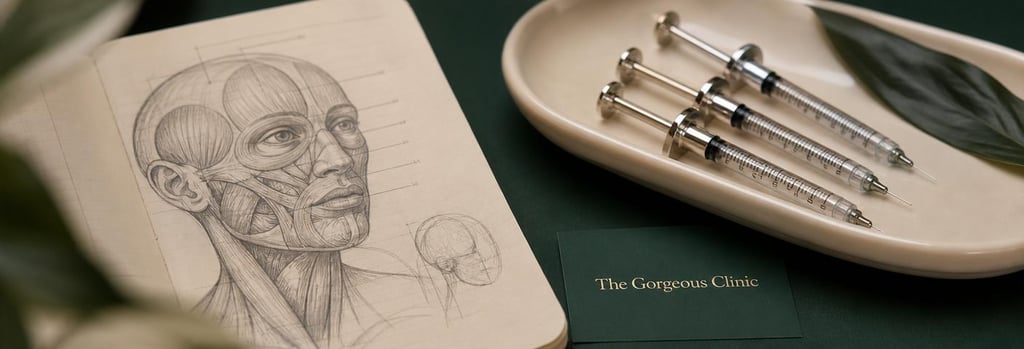
Free aesthetics courses usually focus on theory rather than practical skills. Typical content includes facial anatomy basics, product categories, complication awareness, consent and record-keeping, and straightforward aftercare advice. These modules are useful when you need a quick refresh of core points before a consultation or after attending a paid course some years ago.
Where free learning is strongest is clarity: concise definitions, short videos, checklists and downloadable consultation templates. It can help you recognise red flags such as signs of infection or vascular compromise, so you know when to escalate. It is not a substitute for supervised hands-on practice, prescription arrangements or formal qualification.
Where free learning is strongest is clarity: concise definitions, short videos, checklists and downloadable consultation templates. It can help you recognise red flags such as signs of infection or vascular compromise, so you know when to escalate. It is not a substitute for supervised hands-on practice, prescription arrangements or formal qualification.
1
JCCP Professional Standards - JCCP (https://www.thejccp.org) - 2021

Who free courses may suit
Free aesthetics training fits several user types: registered clinicians wanting a quick theory refresh, clinic reception staff learning how to triage enquiries, experienced practitioners checking updates, and students deciding whether to invest in deeper training. It is particularly helpful for clinicians who already work under appropriate prescribing or delegation arrangements and need a top-up in knowledge.
Do not use free materials to bypass competence requirements. If you have not had supervised practical training in injectables, free e-learning is only a preparatory step. It helps you decide whether to book a hands-on course or an Academy masterclass, not to start performing procedures unsupervised.
Do not use free materials to bypass competence requirements. If you have not had supervised practical training in injectables, free e-learning is only a preparatory step. It helps you decide whether to book a hands-on course or an Academy masterclass, not to start performing procedures unsupervised.
1
Delegation and Working Within Competence - GMC (https://www.gmc-uk.org) - 2020
What free training cannot do
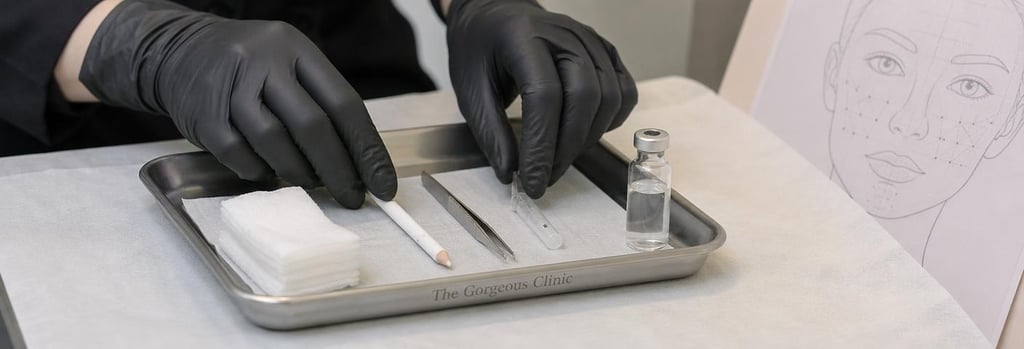
Free courses rarely, if ever, teach hands-on technique, detailed dosing, or supervised injection practice. They avoid step-by-step procedural instructions for safety and liability reasons, so you cannot use free e-learning to claim competence in delivering treatments. Free content may also lack depth on complex complications, long-term outcomes and patient selection nuances.
If your goal is to perform treatments safely, expect to follow free learning with structured, accredited practical training, mentorship and appropriate insurance. Treat free modules as a map, not a driving lesson.
If your goal is to perform treatments safely, expect to follow free learning with structured, accredited practical training, mentorship and appropriate insurance. Treat free modules as a map, not a driving lesson.
1
MHRA Medical Device Guidance - MHRA (https://www.gov.uk/government/organisations/medicines-and-healthcare-products-regulatory-agency) - 2022
How to use free learning well
Set a clear aim before you start a free course. Use it to refresh one topic at a time: anatomy, recognising vascular occlusion signs, or improving consent conversations. Take notes and compare course checklists with your clinic protocols. Use short quizzes and scenario-based modules to test judgement rather than memorise facts.
If you find gaps, choose a paid route that offers supervised practice and ongoing mentorship. The Gorgeous Clinic Academy provides some free primer modules so practitioners can see whether a longer CPD-backed course suits their needs. If you want practical hands-on training later, pair online theory with an in-person masterclass.
If you find gaps, choose a paid route that offers supervised practice and ongoing mentorship. The Gorgeous Clinic Academy provides some free primer modules so practitioners can see whether a longer CPD-backed course suits their needs. If you want practical hands-on training later, pair online theory with an in-person masterclass.

Next steps and realistic expectations
After completing free modules, review what you still need: supervised hours, mentor feedback, insurance coverage, or prescribing access. Practical experience and patient selection judgment are the parts that typically take the longest to build. Use free learning to identify specific weaknesses you want a paid course to address, such as facial mapping, complication management or combined approaches.
If you are curious about treatment types before committing to a full course, read targeted clinic pages to understand common workflows. For example, learning about neuromodulator indications can be paired with reading on anti-wrinkle treatments to see how consultation and aftercare are managed [[LINK:anti-wrinkle-injections|anti-wrinkle treatments]]. If your basic training left you wanting more depth, The Gorgeous Clinic Academy can help you build the next layer. If you are considering treatment, a consultation is the safest place to start.
If you are curious about treatment types before committing to a full course, read targeted clinic pages to understand common workflows. For example, learning about neuromodulator indications can be paired with reading on anti-wrinkle treatments to see how consultation and aftercare are managed [[LINK:anti-wrinkle-injections|anti-wrinkle treatments]]. If your basic training left you wanting more depth, The Gorgeous Clinic Academy can help you build the next layer. If you are considering treatment, a consultation is the safest place to start.
1
NHS Cosmetic Procedures Advice - NHS (https://www.nhs.uk) - 2021
Ready to grow?
Our academy is free to join, and we have some incredible resources for every practitioner from beginner to expert.
View Courses
Whatsapp Our Booking Team