Cheap Aesthetics Training: When Does It Become Risky?
5 minute read
Back to blog
You are considering an affordable aesthetics course and the price tag makes sense. Low-cost options appeal because they look quick, convenient and wallet-friendly. That is understandable, but cheap does not always mean safe or useful for long-term practice. Good training is about more than a certificate: it builds anatomy understanding, complication awareness, real-world supervision and aftercare judgement. Read on to learn where low-cost courses commonly cut corners, what matters for safe practice, and how to balance budget with responsible training.

Cheap Aesthetics Training: When Does It Become Risky?, Why Cheap Courses Appeal
Low price points make aesthetics training accessible, and that is an important point. Many nurses, dentists and beauty therapists look for affordable aesthetics courses to reskill or add services without a long career break. Cheap courses often promise a quick path to a certificate and highlight practical demos or small class sizes.
What they rarely advertise is what they omit. Short courses can offer basic technique practice but may not include enough supervised treatments, detailed anatomy teaching or complication drills. For clinicians who plan to offer filler training or anti-wrinkle injections, early confidence built on limited exposure can feel real but be fragile when a complex case appears. Understanding the appeal helps you weigh cost against clinical risk and long-term competence.
What they rarely advertise is what they omit. Short courses can offer basic technique practice but may not include enough supervised treatments, detailed anatomy teaching or complication drills. For clinicians who plan to offer filler training or anti-wrinkle injections, early confidence built on limited exposure can feel real but be fragile when a complex case appears. Understanding the appeal helps you weigh cost against clinical risk and long-term competence.
Common Training Shortcuts
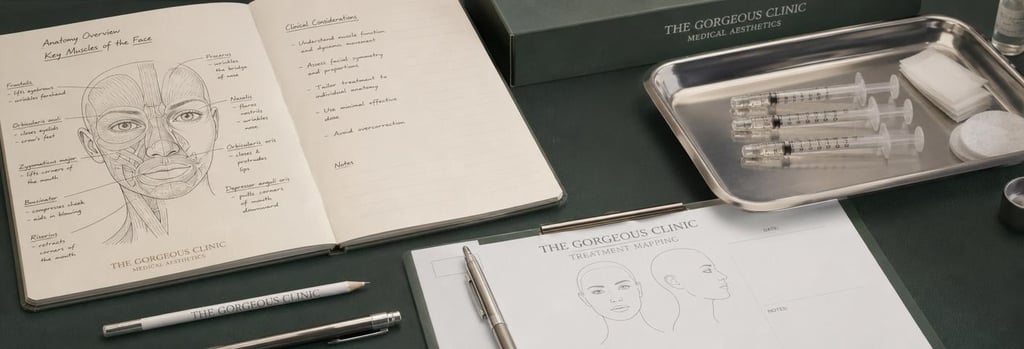
Many low-cost providers reduce price by shortening teaching hours and increasing student numbers. That often means less on-depth anatomy and fewer supervised live treatments. Anatomy teaching may be slide-based rather than clinically correlated to palpation, layering and vascular maps. Limited practical time reduces the chance to see variation in real faces and real tissue behaviour.
Other shortcuts include simulated injections on models without escalation practice, absence of complication recognition drills, and minimal emphasis on consent or prescribing frameworks. These gaps affect safety and the practitioner\u0019s ability to make judgement calls during complications or unusual anatomy. If your course description lacks clear supervision ratios, hands-on hours and complication modules, treat the price discount with caution.
Other shortcuts include simulated injections on models without escalation practice, absence of complication recognition drills, and minimal emphasis on consent or prescribing frameworks. These gaps affect safety and the practitioner\u0019s ability to make judgement calls during complications or unusual anatomy. If your course description lacks clear supervision ratios, hands-on hours and complication modules, treat the price discount with caution.
1
Save Face - Standards for Aesthetic Practice (https://www.saveface.co.uk) - 2024
Why Supervision Matters
Supervision is not a box-ticking exercise. Supervised practice lets an experienced tutor correct small technical faults before they become habits. It also exposes learners to complication recognition and escalation in real time, with immediate feedback on decisions and phrasing during consent.
Cheap courses commonly rely on short demonstrations or unassessed practice. That may leave a clinician technically able to inject but unsure how to manage a vascular occlusion, infection or unexpected allergic reaction. Courses that include multiple observed cases, documented assessment and clear escalation routes better prepare you to protect clients and your professional indemnity.
Cheap courses commonly rely on short demonstrations or unassessed practice. That may leave a clinician technically able to inject but unsure how to manage a vascular occlusion, infection or unexpected allergic reaction. Courses that include multiple observed cases, documented assessment and clear escalation routes better prepare you to protect clients and your professional indemnity.
1
Joint Council for Cosmetic Practitioners - Good Practice Guidance (https://www.jccp.org.uk) - 2023
2
NHS - Cosmetic Procedures Advice (https://www.nhs.uk) - 2023

Aftercare and Complications
Aftercare teaching separates a transactional course from responsible clinical training. Good aftercare modules cover expected side effects, red flags, written instructions and safe communication when things go wrong. They also include pathways for escalation, documentation and when to involve more senior clinicians or emergency services.
Cheap courses often provide generic aftercare leaflets and little practice in managing adverse events. That leaves practitioners unpractised in recognising early occlusion signs or differentiating normal bruising from infection. Investing in training that includes complication simulations and clear escalation plans reduces clinical risk and supports better patient outcomes.
Cheap courses often provide generic aftercare leaflets and little practice in managing adverse events. That leaves practitioners unpractised in recognising early occlusion signs or differentiating normal bruising from infection. Investing in training that includes complication simulations and clear escalation plans reduces clinical risk and supports better patient outcomes.
1
MHRA - Device and Injectable Safety Advice (https://www.gov.uk/government/organisations/medicines-and-healthcare-products-regulatory-agency) - 2022
Choosing Training That Protects You
Budget matters, but carefully chosen training is an investment in safer practice. Look for courses with clear learning hours, supervised live treatments, anatomy linked to injection planning, complication modules and documented assessment. Ask for tutor credentials, sample timetables and evidence of follow-up support or mentorship.
If cost is a barrier, consider staged learning: an online anatomy and complications module first, followed by a supervised practical day. Practical choices matter across treatments from filler training to anti-wrinkle injections. For those offering B\u0002tox or similar work, check relevant modules and ongoing mentorship [[LINK:anti-wrinkle-injections|anti-wrinkle training]]. If your basic training left you wanting more depth, The Gorgeous Clinic Academy can help you build the next layer.
If cost is a barrier, consider staged learning: an online anatomy and complications module first, followed by a supervised practical day. Practical choices matter across treatments from filler training to anti-wrinkle injections. For those offering B\u0002tox or similar work, check relevant modules and ongoing mentorship [[LINK:anti-wrinkle-injections|anti-wrinkle training]]. If your basic training left you wanting more depth, The Gorgeous Clinic Academy can help you build the next layer.
Ready to grow?
Our academy is free to join, and we have some incredible resources for every practitioner from beginner to expert.
View Courses
Whatsapp Our Booking Team