Anti-Wrinkle Injection Training: What Beginners Often Miss
5 minute read
Back to blog
You may have learned injection landmarks, but treating movement and expression safely needs more. Beginners often expect anti-wrinkle work to be a series of points on a face. In practice it asks for clear judgement about muscle action, how expression and brow position interact, dosing decisions, and how to manage asymmetry and expectations. This piece explains the clinical reasoning behind those decisions, highlights common gaps in initial courses, and shows how deeper study from The Gorgeous Clinic Academy can help practitioners move from mechanical technique to thoughtful, safer practice.
Anti-Wrinkle Injection Training: What Beginners Often Miss, What it means clinically
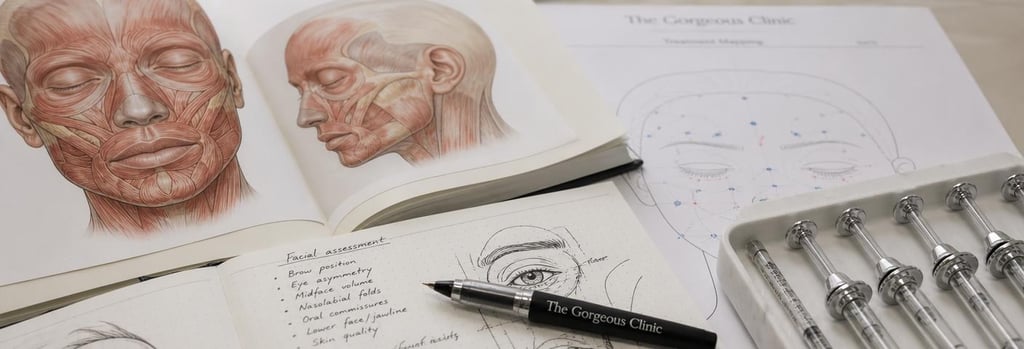
Learning injection points is a starting skill, not an endpoint. Clinicians must understand muscle origin, insertion and action, because the visible line at rest is only part of the story. A line that appears minor at rest can be dominant in dynamic expression, and treating without recognising that can create uneven or unnatural results.
Beginner courses often use static maps. Real consultation needs observation: ask patients to emote, photograph movement and map which muscles drive the fold. That assessment guides where to treat, how conservatively to dose, and whether combined treatments might be safer. Good training emphasises anatomy tied to function rather than rote point lists.
References: [1].
Beginner courses often use static maps. Real consultation needs observation: ask patients to emote, photograph movement and map which muscles drive the fold. That assessment guides where to treat, how conservatively to dose, and whether combined treatments might be safer. Good training emphasises anatomy tied to function rather than rote point lists.
References: [1].
1
NHS Guidance - NHS (https://www.nhs.uk) - 2024
Muscle action and facial expression
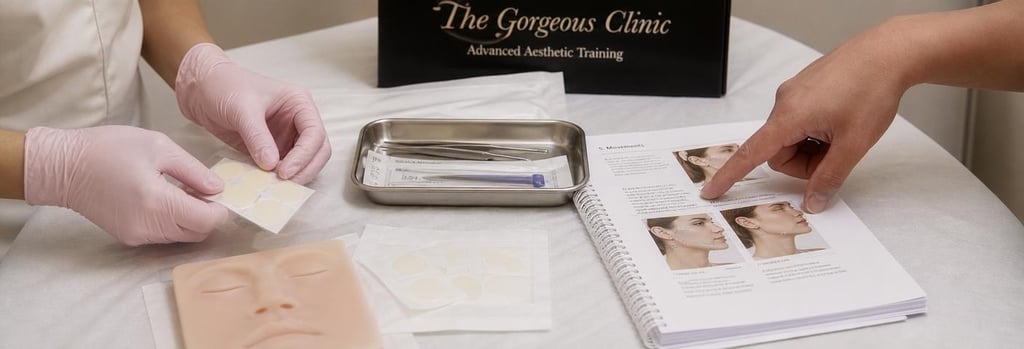
Dynamic assessment is where judgment matters. Ask patients to frown, raise brows, smile and squint while you observe which muscles contract and how lines deepen. Muscle groups interact: weakening one muscle can shift movement patterns elsewhere, sometimes revealing previously hidden lines.
This is also where dosing judgement becomes critical. Start conservative, especially in areas that contribute to brow support. Over-treatment can produce a heavy or frozen brow. Teaching should include case studies showing how modest doses and staged review appointments reduce risk of unnatural results. Practical learning helps clinicians recognise how much reduction in muscle activity still permits natural expression.
References: [1].
This is also where dosing judgement becomes critical. Start conservative, especially in areas that contribute to brow support. Over-treatment can produce a heavy or frozen brow. Teaching should include case studies showing how modest doses and staged review appointments reduce risk of unnatural results. Practical learning helps clinicians recognise how much reduction in muscle activity still permits natural expression.
References: [1].
1
British Association of Dermatologists - Patient Safety in Aesthetics (https://www.bad.org.uk) - 2022

Brow position and aesthetic balance
A common oversight is treating the upper face without considering brow mechanics. The frontalis raises the brow, and the corrugators and procerus pull it down. If you reduce the latter too much without thinking about frontalis tone, the brow can drop or lose its natural arch.
Beginner training should teach assessment of baseline brow position, the height of the orbital rim, and how ageing alters soft-tissue support. Management may require conservative toxin dosing, staged reviews, or combining treatments such as temporal support or filler in the upper third, rather than more toxin alone. That approach preserves expression while improving lines.
References: [1].
Beginner training should teach assessment of baseline brow position, the height of the orbital rim, and how ageing alters soft-tissue support. Management may require conservative toxin dosing, staged reviews, or combining treatments such as temporal support or filler in the upper third, rather than more toxin alone. That approach preserves expression while improving lines.
References: [1].
1
MHRA Patient Safety Advice - Medicines and Healthcare products Regulatory Agency (https://www.gov.uk/mhra) - 2023

Asymmetry and staged reviews
Facial asymmetry is normal, and many patients already have subtle imbalances. Treating both sides identically without recognising this can make asymmetry more obvious. Initial plans should include a staged review, typically two weeks after treatment, to assess response and top up asymmetrically if needed.
Beginner training that skips follow-up planning teaches a one-shot mindset. Safer practice uses lower initial dosing, scheduled reviews and clear documentation of baseline asymmetries. This protects outcomes and patient confidence. When planning, include photography of movement and written mapping of dose strategy so reviews are precise and reproducible.
References: [1].
Beginner training that skips follow-up planning teaches a one-shot mindset. Safer practice uses lower initial dosing, scheduled reviews and clear documentation of baseline asymmetries. This protects outcomes and patient confidence. When planning, include photography of movement and written mapping of dose strategy so reviews are precise and reproducible.
References: [1].
1
Save Face Professional Standards - Save Face (https://www.saveface.co.uk) - 2021

Managing expectations and avoiding frozen results
Patients often say they want 'no lines' and also to 'look natural'. Those goals can conflict. Clear consultation language is essential: explain how modest relaxation of key muscles softens lines while preserving expression, and that multiple small adjustments are better than one heavy treatment.
Training should include communication skills, realistic before-and-after examples and how to explain staged dosing. Practical modules that pair anatomy with consultation scenarios help practitioners feel comfortable recommending lower initial doses and timed reviews. If your basic course left gaps, The Gorgeous Clinic Academy supports deeper study in facial anatomy, dosing judgement and follow-up protocols. If you are considering treatment, a consultation is the safest place to start.
References: [1].
Training should include communication skills, realistic before-and-after examples and how to explain staged dosing. Practical modules that pair anatomy with consultation scenarios help practitioners feel comfortable recommending lower initial doses and timed reviews. If your basic course left gaps, The Gorgeous Clinic Academy supports deeper study in facial anatomy, dosing judgement and follow-up protocols. If you are considering treatment, a consultation is the safest place to start.
References: [1].
1
NICE Shared Decision Making - National Institute for Health and Care Excellence (https://www.nice.org.uk) - 2021
Ready to grow?
Our academy is free to join, and we have some incredible resources for every practitioner from beginner to expert.
View Courses
Whatsapp Our Booking Team