Managing Brow Heaviness After Forehead Anti-Wrinkle
5 minute read
Back to blog
You have the consult, the patient wants smoother lines, and then the question lands: will relaxing the frontalis lower the brows? For many practitioners that uncertainty is the real risk, not the needle. Understanding frontalis function and the layers that support the brow lets you make measured treatment plans, reduce the chance of brow heaviness and manage realistic expectations. This piece focuses on assessment, staged treatment and practical review points that improve safety and outcomes without giving procedural instructions.
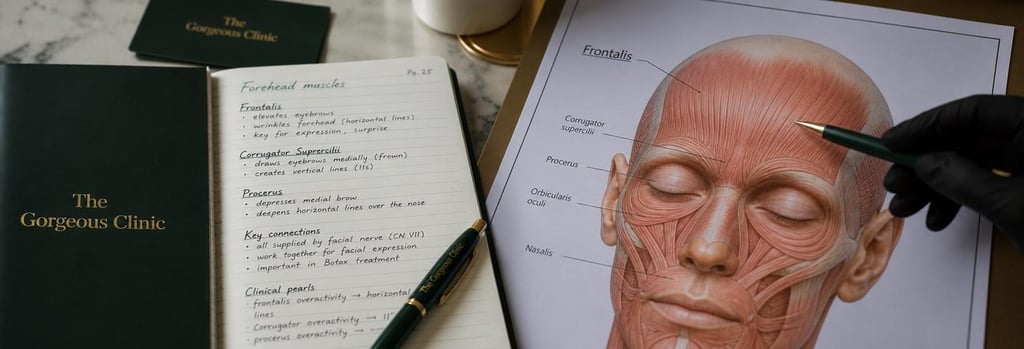
Managing Brow Heaviness After Forehead Anti-Wrinkle, Frontalis and Brow Balance
The frontalis is not just a wrinkle-maker. It is the primary elevator of the forehead skin and contributes to brow position. When frontalis tone is reduced, other muscles and passive support structures must compensate. In some patients, especially those with longstanding dynamic elevation, the frontalis has been chronically recruited to offset weak brow depressors or sagging soft tissue. Relaxing it abruptly can reveal true brow descent.
Clinically, that means assessing frontalis strength, resting brow position and compensatory behaviours. Watch the patient speak, raise their brows, and close their eyes. Note how much frontalis activation is present at rest versus when animated. This functional anatomy reading should inform a staged plan, not an automatic full forehead blockade.
Clinically, that means assessing frontalis strength, resting brow position and compensatory behaviours. Watch the patient speak, raise their brows, and close their eyes. Note how much frontalis activation is present at rest versus when animated. This functional anatomy reading should inform a staged plan, not an automatic full forehead blockade.
1
BAAPS facial anatomy and muscle function - British Association of Aesthetic Plastic Surgeons (BAAPS) (https://www.baaps.org.uk) - 2020

Why Mature Faces Behave Differently
Age changes the whole support system. Skin laxity, orbital rim descent, temporal hollows and reduced ligamentous tone all alter how the brow sits. A mature face may rely on residual frontalis tone to keep the brows elevated. If you reduce that tone without addressing structural support or communicating the likely change, a patient can experience noticeable heaviness and unhappy surprise.
Assessment needs to include bone, soft tissue volume and skin quality. Palpate the temporal fat pads, check temple volume and note upper eyelid hooding. In some cases, combining conservative forehead management with volume work or discussing alternative approaches is a safer plan than treating the entire frontalis at once.
Assessment needs to include bone, soft tissue volume and skin quality. Palpate the temporal fat pads, check temple volume and note upper eyelid hooding. In some cases, combining conservative forehead management with volume work or discussing alternative approaches is a safer plan than treating the entire frontalis at once.
1
Facial aging overview - British Association of Dermatologists (https://www.bad.org.uk) - 2018
Recognising Over-Relaxing Risk
Over-relaxing the frontalis is a common pathway to brow heaviness. Risk factors include low resting brows, long-standing frontalis overactivity, significant upper eyelid hooding and prior aggressive forehead treatments. A clear red flag is a patient who elevates their brows at rest to improve peripheral vision or to reduce heaviness of hooded lids. They are functionally dependent on frontalis tone.
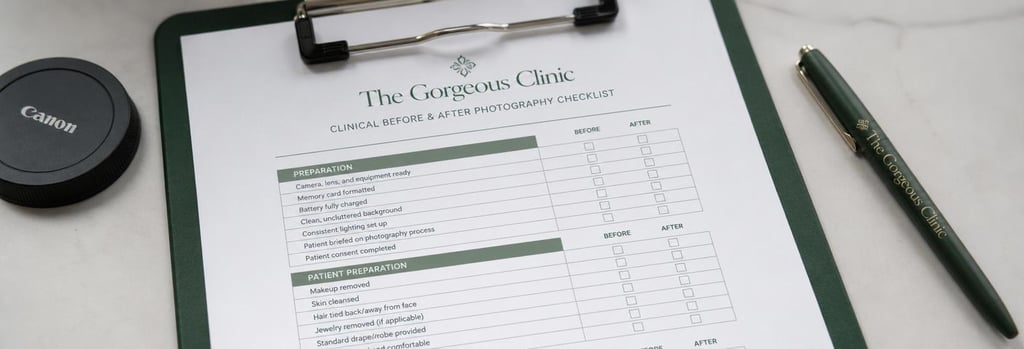
Document baseline photos in multiple expressions, and record the lift achieved when the patient actively raises their brows. If there is a compensatory habit, discuss it openly. Explain the functional trade-off between line reduction and potential brow lowering, and avoid language that promises complete smoothing without consequence.
Document baseline photos in multiple expressions, and record the lift achieved when the patient actively raises their brows. If there is a compensatory habit, discuss it openly. Explain the functional trade-off between line reduction and potential brow lowering, and avoid language that promises complete smoothing without consequence.
1
Clinical photography and baseline assessment - JCCP (https://www.jccp.org.uk) - 2021
Staged Treatment and Review
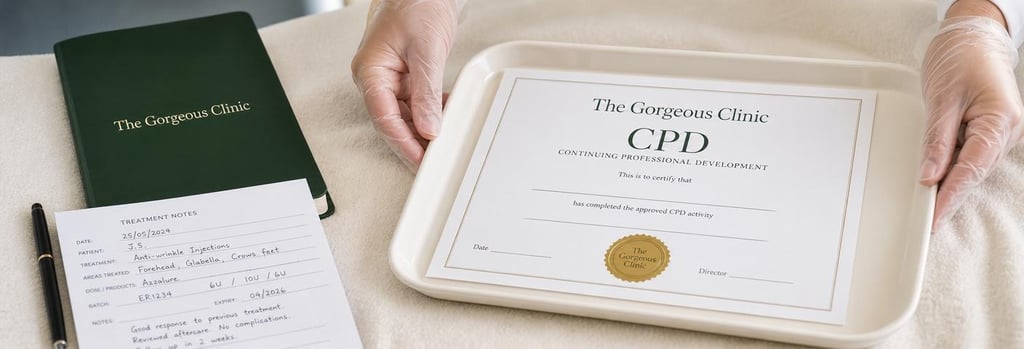
Staged treatment is a practical safety tool. Treat a conservative portion of the forehead, review at 2 weeks and reassess before further weakening. For patients with borderline support, a staged approach reduces the likelihood of noticeable brow lowering and gives time to plan adjunctive measures.
When planning follow-up, schedule a review that includes function tests: brow position at rest, frontalis activation, and eyelid function. Document any subtle descent and discuss options. If additional lifting is needed later, consider non-surgical adjuncts or referral pathways. A measured plan protects both patient outcomes and your practice reputation.
When planning follow-up, schedule a review that includes function tests: brow position at rest, frontalis activation, and eyelid function. Document any subtle descent and discuss options. If additional lifting is needed later, consider non-surgical adjuncts or referral pathways. A measured plan protects both patient outcomes and your practice reputation.
1
Follow-up best practice - NHS clinical standards (https://www.nhs.uk) - 2019

Managing Expectations and Escalation
Effective consent and expectation management prevents many complaints. Use plain language to explain that forehead relaxation may alter brow position and occasionally reveal eyelid hooding. Show baseline animation photos, outline staged options, and record the agreed plan. If a patient values upper visual field improvement or a lifted brow, explore alternative or combined strategies rather than promising perfect line removal.
If a patient experiences undesired heaviness after treatment, a timely review is essential. Reassure, document findings, and discuss conservative steps. Where clinical escalation is needed, follow your local governance, inform indemnity providers and, when required, consider referral to an experienced colleague. If you want to link to an internal resource on procedural context, see [[LINK:anti-wrinkle-injections|Anti-wrinkle / B’tox]]. If your basic training left you wanting more depth, The Gorgeous Clinic Academy can help you build the next layer.
If a patient experiences undesired heaviness after treatment, a timely review is essential. Reassure, document findings, and discuss conservative steps. Where clinical escalation is needed, follow your local governance, inform indemnity providers and, when required, consider referral to an experienced colleague. If you want to link to an internal resource on procedural context, see [[LINK:anti-wrinkle-injections|Anti-wrinkle / B’tox]]. If your basic training left you wanting more depth, The Gorgeous Clinic Academy can help you build the next layer.
1
Consent standards for aesthetic practice - Save Face (https://www.saveface.co.uk) - 2020
Ready to grow?
Our academy is free to join, and we have some incredible resources for every practitioner from beginner to expert.
View Courses
Whatsapp Our Booking Team