Why NHS Cosmetic Procedure Advice Matters Before Booking Injectables
Jenna Hickson
5 minute read
Back to blog
You are thinking about dermal fillers or anti-wrinkle injections, but the safety leaflets and social media have left you unsure. The NHS publishes simple advice for anyone considering cosmetic procedures: research the treatment, understand the risks, check the practitioner, ask lots of questions and never feel rushed. That advice is directly useful when choosing private injectable treatments. Below is a practical, down-to-earth explanation of why those NHS points matter, what they mean for filler and anti-wrinkle appointments, and the sensible questions to ask before you book.
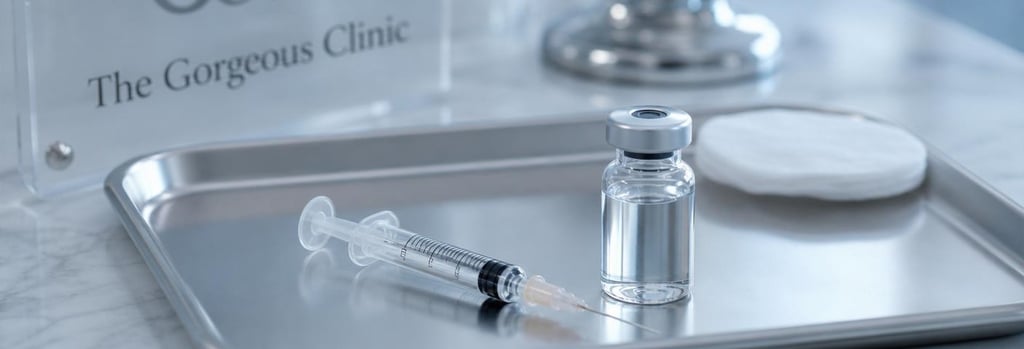
Why NHS Cosmetic Procedure Advice Matters Before Booking Injectables, What the NHS recommends
The NHS sets out clear, simple steps for people thinking about cosmetic procedures: research the treatment, know the risks, choose a suitably qualified practitioner, ask questions and avoid sales pressure. This is practical consumer protection rather than a clinical diktat. The guidance exists because complications can and do happen, and because cosmetic treatments sit at the edge of medicine and lifestyle. [1]
For injectable treatments such as dermal fillers and anti-wrinkle injections, the NHS prompts you to check who will perform the procedure, whether the clinic is reputable and whether you have been given balanced information about likely outcomes and potential harm. That guidance helps patients spot worrying signs such as high-pressure discounts, stock images that overpromise, or practitioners who are vague about qualifications.
For injectable treatments such as dermal fillers and anti-wrinkle injections, the NHS prompts you to check who will perform the procedure, whether the clinic is reputable and whether you have been given balanced information about likely outcomes and potential harm. That guidance helps patients spot worrying signs such as high-pressure discounts, stock images that overpromise, or practitioners who are vague about qualifications.
Why those points matter for injectables
Injectables are quick to deliver but not always simple. Dermal fillers are medical devices injected into tissue and carry risks such as swelling, infection, lumps and, in rare cases, vascular compromise. Anti-wrinkle injections alter muscle activity and need accurate dosing and placement to avoid asymmetry, unwanted droop or functional problems. The NHS advice to understand risks is about making sure you can weigh benefits against possible harm. [1] [2]
Choosing a qualified practitioner matters because outcomes depend on anatomy, product choice and technique. A medically qualified injector understands relevant complications and how to treat them. If a clinic cannot explain the risks or what happens if something goes wrong, that is a red flag.
Choosing a qualified practitioner matters because outcomes depend on anatomy, product choice and technique. A medically qualified injector understands relevant complications and how to treat them. If a clinic cannot explain the risks or what happens if something goes wrong, that is a red flag.

How to check qualifications and clinic standards
Start by asking who will perform the injection and what their clinical qualification is. Nurses and doctors with relevant training are common and appropriate. Ask where they trained for injectables, how long they have practised, and whether they undertake regular continuing professional development. A reputable clinic will give straightforward answers and documentation if you ask.
Look for practical features too: a proper consultation that includes medical history, written consent, clear pricing with itemised costs, and aftercare instructions. Ask whether the clinic carries emergency equipment and has a plan for managing complications. If the answer is vague or evasive, walk away. If you would like to discuss anti-wrinkle treatments in more detail, ask about how dosing and follow-up are handled and whether they offer written aftercare. [[LINK:anti-wrinkle-injections|anti-wrinkle injections]]
Look for practical features too: a proper consultation that includes medical history, written consent, clear pricing with itemised costs, and aftercare instructions. Ask whether the clinic carries emergency equipment and has a plan for managing complications. If the answer is vague or evasive, walk away. If you would like to discuss anti-wrinkle treatments in more detail, ask about how dosing and follow-up are handled and whether they offer written aftercare. [[LINK:anti-wrinkle-injections|anti-wrinkle injections]]

Questions to ask during a consultation
Bring a short checklist. Useful questions include: What are the treatment options and why do you recommend this one? What are the likely benefits and the worst reasonably possible complications? Can I see clear, contemporaneous before-and-after images from cases like mine? What product will you use and is it licensed for this use? How long will results last and what follow-up do you offer?
A good practitioner will answer in plain language, discuss maintenance and alternatives, and offer time for you to think it over. If anyone pressures you to sign up immediately, offers steep last-minute discounts, or dismisses your questions, that is poor practice and a reason to pause.
A good practitioner will answer in plain language, discuss maintenance and alternatives, and offer time for you to think it over. If anyone pressures you to sign up immediately, offers steep last-minute discounts, or dismisses your questions, that is poor practice and a reason to pause.
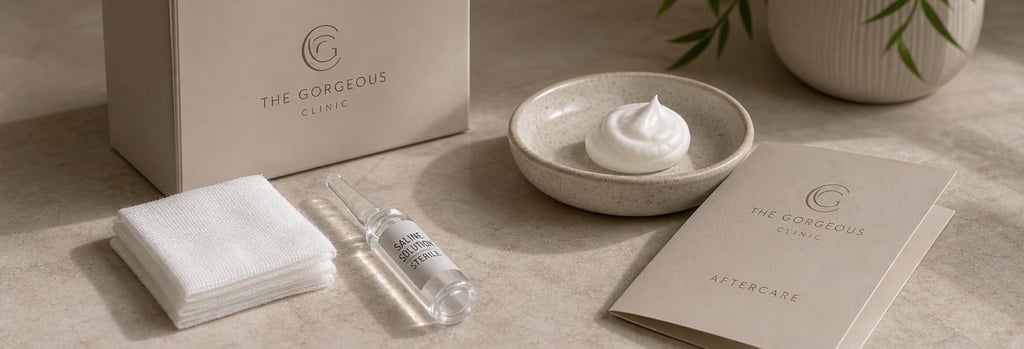
Practical next steps and local tips
If you are nervous about safety, start with a consultation rather than a single-click booking. Use the NHS checklist when comparing clinics, ask for references and check online reviews critically. Pay attention to aftercare and whether follow-up appointments are included. For people on the Fylde Coast and in Blackpool, look for clinics that can explain how they manage complications and who they refer to if specialist care is needed.
Small practical points matter: confirm the product name, get written aftercare, photograph treated areas immediately after the appointment for records, and save contact details for out-of-hours concerns. If you are considering treatment, a consultation is the safest place to start.
Small practical points matter: confirm the product name, get written aftercare, photograph treated areas immediately after the appointment for records, and save contact details for out-of-hours concerns. If you are considering treatment, a consultation is the safest place to start.
Ready to connect?
All our consultations come with no obligation to book, and are pressure-free and education focused.
Book a Free Consultation
Book a Treatment
Whatsapp Message us