When Lip Filler Moves: Why It Happens And How To Avoid It
Nurse Susana Gonzales
6 minute read
Back to blog
You look in the mirror and your lip border has softened, the cupid’s bow is gone, or your lips feel oddly puffy. That uneasy feeling often comes from migrated filler, or simply too much product in the wrong place. Many clients feel embarrassed or worried when their lips no longer look crisp. Here we explain, in plain clinic terms, why filler can move, what we commonly see, and sensible ways to correct it while protecting your lip shape and natural expression.
When Lip Filler Moves: Why It Happens And How To Avoid It, What Is Migration?
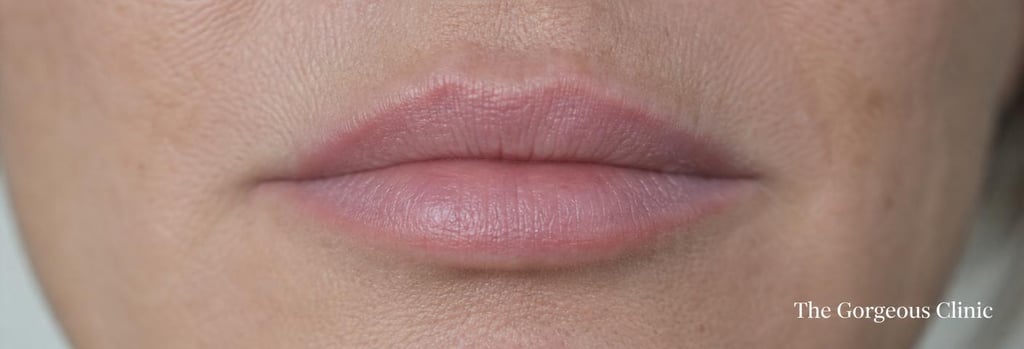
Migration describes filler that has moved away from the place it was originally injected. In lips this can blur the lip border, soften the cupid’s bow, or create lumps and unevenness. Migration is not always dramatic. Sometimes it is subtle, a gentle spreading that makes lips look less defined.
Migration can happen with any dermal filler lips procedure, but it is more likely with soft, highly mobile tissue such as the lips. Understanding what migration looks like helps take the embarrassment out of the problem and points to the right correction.
Migration can happen with any dermal filler lips procedure, but it is more likely with soft, highly mobile tissue such as the lips. Understanding what migration looks like helps take the embarrassment out of the problem and points to the right correction.
Why Filler Moves
There are a few common reasons filler migrates. Too much filler in a single session can create internal pressure that displaces product. Poor placement, such as injecting superficially into moving tissue rather than the correct plane, raises the risk. Repeating treatments too frequently before the tissue settles can also push product around. The wrong product choice matters too: low-viscosity, very soft gels are more likely to spread in highly mobile lips.
Individual anatomy also plays a role. Thin or scarred tissue, a weak lip border, or previous injections can change how filler behaves. None of this means someone has been careless; it is simply how fillers and soft tissue sometimes interact.
Individual anatomy also plays a role. Thin or scarred tissue, a weak lip border, or previous injections can change how filler behaves. None of this means someone has been careless; it is simply how fillers and soft tissue sometimes interact.
Signs You Have Migrated Filler
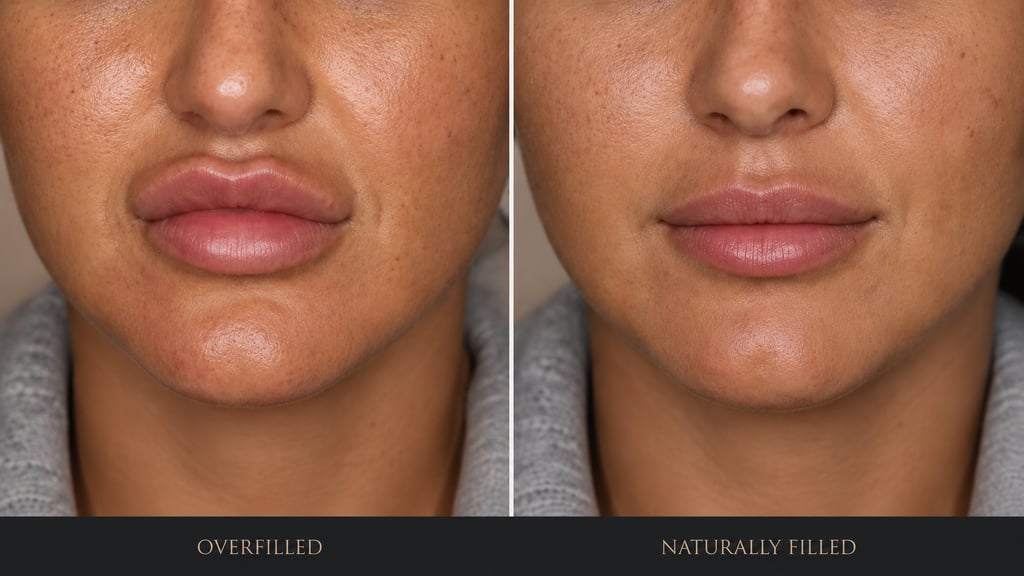
Common signs include a softened lip border, loss of cupid’s bow definition, lumps that change position with movement, uneven volume, and an overall blurred or puffy look. Some people describe lips that feel firm in odd spots or that roll slightly when they pucker. If you can see filler travelling towards the mouth corners or into the skin above the lip, that suggests migration.
If the appearance developed soon after an injection, or after several repeat treatments, mention those details at your appointment. They help us determine whether the issue is migrated filler, swelling, scar tissue, or a natural ageing change.
If the appearance developed soon after an injection, or after several repeat treatments, mention those details at your appointment. They help us determine whether the issue is migrated filler, swelling, scar tissue, or a natural ageing change.

How We Assess It
Assessment begins with a calm, clinical inspection and a conversation about your previous treatments. We check where product sits, how the lips move, and whether asymmetry or scarring is present. Sometimes we gently palpate the area to feel for lumps and to judge whether product is soft filler, scar tissue, or recent swelling.
If needed we photograph and map the filler. Our priority is honest advice: we will not add more filler if correction is what you need. For many clients who have migrated or overfilled lips, dissolving old filler is the safest first step before any rebuilding.
If needed we photograph and map the filler. Our priority is honest advice: we will not add more filler if correction is what you need. For many clients who have migrated or overfilled lips, dissolving old filler is the safest first step before any rebuilding.

Fixes, Prevention And Clinic Approach
Correcting migrated filler depends on the product. Most lip fillers are hyaluronic acid filler, which can usually be dissolved safely with hyaluronidase. Dissolving removes unwanted product and gives the tissue a chance to settle. After that we may rebuild slowly with smaller volumes, respecting the lip border and cupid’s bow. Sometimes the best outcome is to leave lips alone to recover for a few months and review.
Prevention matters. Use experienced injectors who respect lip anatomy, choose appropriate products and avoid overfilling. At our Blackpool clinic we favour subtle lip enhancement, honest assessment and, when needed, dissolving old filler before adding more. If you would like advice on what would suit your face, The Gorgeous Clinic can talk you through your options.
Prevention matters. Use experienced injectors who respect lip anatomy, choose appropriate products and avoid overfilling. At our Blackpool clinic we favour subtle lip enhancement, honest assessment and, when needed, dissolving old filler before adding more. If you would like advice on what would suit your face, The Gorgeous Clinic can talk you through your options.
Ready to connect?
All our consultations come with no obligation to book, and are pressure-free and education focused.
Book a Free Consultation
Book a Treatment
Whatsapp Message us