What We Notice About TMJ, Teeth Grinding and Masseter Treatment
Clinical Director John
5 minute read
Back to blog
In clinic, masseter treatment is one of those treatments people ask about for very different reasons. Some clients are looking for jawline slimming or a softer lower face, while others come in because of teeth grinding, jaw clenching, jaw tension or searches around TMJ and TMD.
The interesting part is that these concerns can sometimes link back to the same muscle: the masseter. When it is overactive, tense or enlarged, it can affect both how the jaw feels and how the lower face looks. At The Gorgeous Clinic, we always assess this carefully before treatment, because the right answer depends on whether the issue is muscular, joint-related, dental, structural or aesthetic.
The interesting part is that these concerns can sometimes link back to the same muscle: the masseter. When it is overactive, tense or enlarged, it can affect both how the jaw feels and how the lower face looks. At The Gorgeous Clinic, we always assess this carefully before treatment, because the right answer depends on whether the issue is muscular, joint-related, dental, structural or aesthetic.
What We Notice About TMJ, Teeth Grinding and Masseter Treatment, Different Words, Same Concern
In clinic, we often see clients describe the same problem in many ways: TMJ, TMD, temporomandibular joint discomfort, jaw ache, tension headaches, teeth grinding or bruxism. TMJ is the joint itself, while TMD refers to problems affecting the temporomandibular joint and the surrounding muscles. Many people searching "TMJ treatment" really want help with jaw clenching, masseter tension or a bulky masseter muscle that makes the lower face look square or wide.
One thing we say early on is that language matters. Describing symptoms clearly helps us identify whether the issue is joint-related, muscular, dental or structural, and that determines the safest next steps.
One thing we say early on is that language matters. Describing symptoms clearly helps us identify whether the issue is joint-related, muscular, dental or structural, and that determines the safest next steps.
What We Check At Consultation
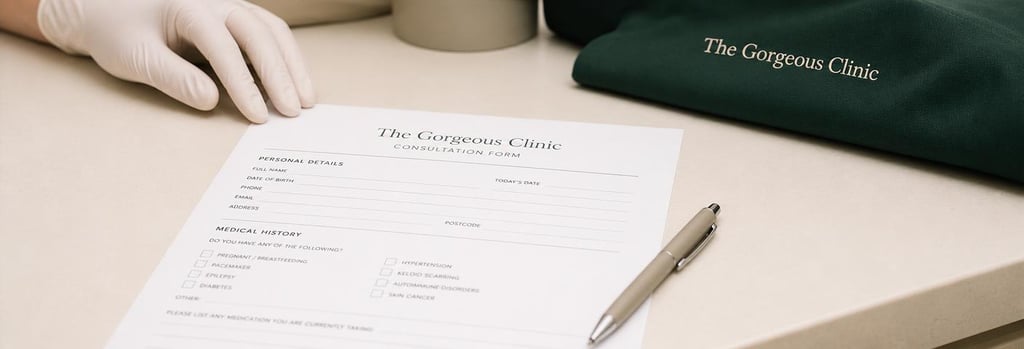
During consultation, we usually check jaw movement, feel the masseter muscle while you clench and ask about grinding, jaw pain, temple tension or headaches. We look for signs of dental wear, listen for joint noises or locking, and observe overall facial shape. What we tend to notice is that a bulky lower face can come from multiple causes: an overactive masseter muscle, bone structure, facial fat, higher body fat, or skin laxity and jowling.
A careful hands-on assessment lets us judge whether the problem seems muscular, joint-related, bite-related, structural or mostly aesthetic. If the issue looks dental or involves joint locking or severe pain, we will usually suggest dental or medical input before any aesthetic treatment.
A careful hands-on assessment lets us judge whether the problem seems muscular, joint-related, bite-related, structural or mostly aesthetic. If the issue looks dental or involves joint locking or severe pain, we will usually suggest dental or medical input before any aesthetic treatment.
What Masseter Treatment Can Do
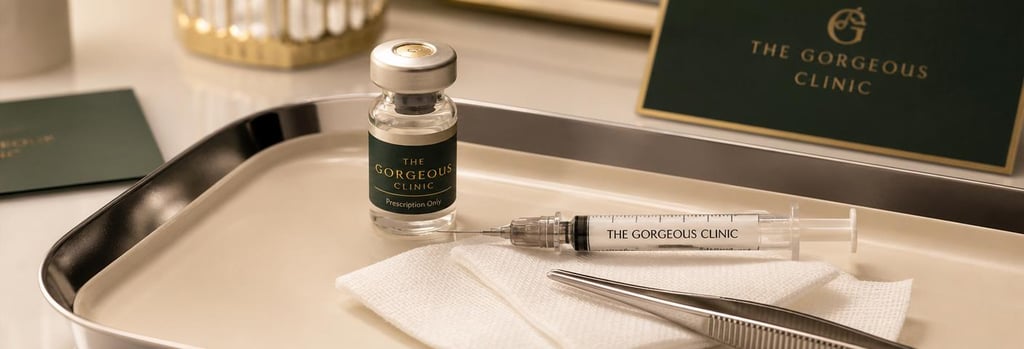
If the masseter muscle is clearly overactive or enlarged, masseter treatment with targeted injections can help reduce muscle activity and may slowly soften a square or wide jawline. For suitable clients this can ease jaw tension, reduce clenching and lessen some symptoms of teeth grinding over time. Results develop over weeks and often need repeat treatments to maintain effect.
We are careful not to promise that masseter injections cure TMJ, TMD, migraines or dental damage. Where the core problem is bite-related, joint pathology or dental wear, those issues need appropriate dental or medical care. At The Gorgeous Clinic we only offer masseter treatment when it fits the assessment and the client's goals. For more on this approach and how the treatment is performed, consider our page on masseter treatment for jawline slimming and teeth grinding]].
We are careful not to promise that masseter injections cure TMJ, TMD, migraines or dental damage. Where the core problem is bite-related, joint pathology or dental wear, those issues need appropriate dental or medical care. At The Gorgeous Clinic we only offer masseter treatment when it fits the assessment and the client's goals. For more on this approach and how the treatment is performed, consider our page on masseter treatment for jawline slimming and teeth grinding]].
Who May Need Extra Caution
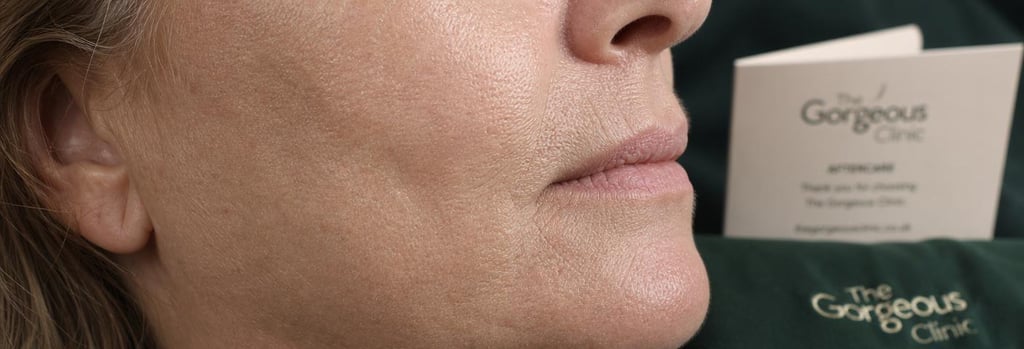
Older clients or those with existing jowling, loose skin or reduced elasticity need extra caution. Reducing masseter bulk can subtly change support in the lower face and, in some people, make laxity or jowling more noticeable. That effect is not universal, but it is real enough that we discuss it openly during consultation.
If skin laxity is a significant factor, we may suggest combining approaches or opting for treatments that support lower-face firmness. This is exactly why a hands-on assessment matters: to pick the safest plan that suits your face, age and expectations.
If skin laxity is a significant factor, we may suggest combining approaches or opting for treatments that support lower-face firmness. This is exactly why a hands-on assessment matters: to pick the safest plan that suits your face, age and expectations.
Choosing Safe, Practical Options
What we tend to notice is that thoughtful, stepwise care works best. If your complaint is mainly jaw pain, locking or severe dental wear, we will guide you towards dental or joint-focused care first. If your main concern is jaw tension or a wide jawline and the masseter is the main cause, masseter injections may be appropriate.
In clinic we aim for realistic outcomes and honest advice. If you are considering treatment, a consultation is the safest place to start. We see clients from across Lancashire and the Fylde Coast, and we are happy to talk through options with care.
In clinic we aim for realistic outcomes and honest advice. If you are considering treatment, a consultation is the safest place to start. We see clients from across Lancashire and the Fylde Coast, and we are happy to talk through options with care.
Ready to connect?
All our consultations come with no obligation to book, and are pressure-free and education focused.
Book a Free Consultation
Book a Treatment
Whatsapp Message us