Polynucleotides vs Skin Boosters: Which Suits You?
Jenna Hickson
5 minute read
Back to blog
You want fresher, firmer-looking skin but you are unsure whether polynucleotides or skin boosters are the sensible option. Both are injected, both aim to improve skin quality, and both need realistic expectations. Below we explain how they differ, who might suit each option, how results develop, and what matters in a consultation. Think of this as practical advice so you can ask the right questions at your appointment.
Polynucleotides vs Skin Boosters: Which Suits You?, What they are and how they work
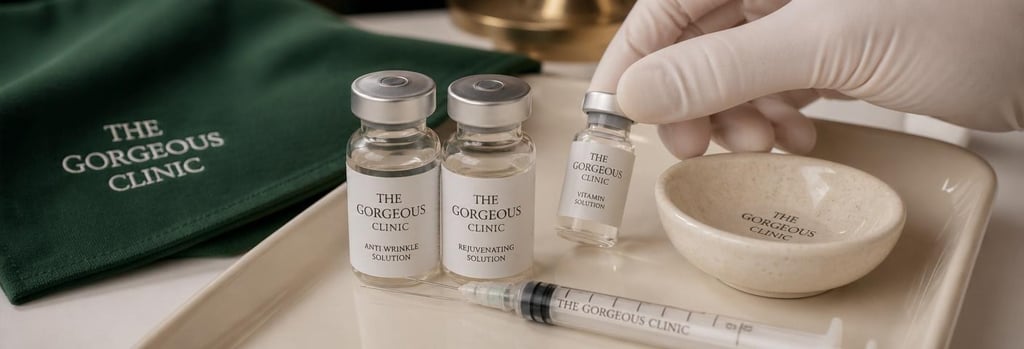
Polynucleotides are injectable solutions made from long chains of DNA fragments. They act as a biological scaffold and may support cell signalling, hydration and finer improvements in skin quality over time. Treatments are placed into the superficial to mid-dermis in several small injections. Results build gradually over weeks and multiple sessions are usually recommended.
Skin boosters are hyaluronic acid or similar injectable moisturisers designed to draw in water and improve hydration, elasticity and surface texture. They focus more on immediate hydration and a subtle plumping effect in the dermis, with repeat treatments to maintain results. Both are different from classic dermal filler which restores volume or lifts.
Skin boosters are hyaluronic acid or similar injectable moisturisers designed to draw in water and improve hydration, elasticity and surface texture. They focus more on immediate hydration and a subtle plumping effect in the dermis, with repeat treatments to maintain results. Both are different from classic dermal filler which restores volume or lifts.
Who may suit each option
If your main concern is surface dryness, fine lines and a loss of glow, injectable moisturisers or skin boosters are often a great first step. They help rehydrate the dermis and give a smoother, fresher surface without adding obvious volume. People in their 30s to 50s with good facial structure who want subtle improvement often prefer boosters.
Polynucleotides may be better when skin looks thin, crepey or tired, or when you want gradual improvement in firmness and texture rather than a quick hydrated glow. They are commonly chosen for older skin, thinning cheeks, or areas where stimulating tissue health is the priority. Choice depends on skin quality, medical history and realistic goals.
Polynucleotides may be better when skin looks thin, crepey or tired, or when you want gradual improvement in firmness and texture rather than a quick hydrated glow. They are commonly chosen for older skin, thinning cheeks, or areas where stimulating tissue health is the priority. Choice depends on skin quality, medical history and realistic goals.
Under-eye and crepey skin: special considerations
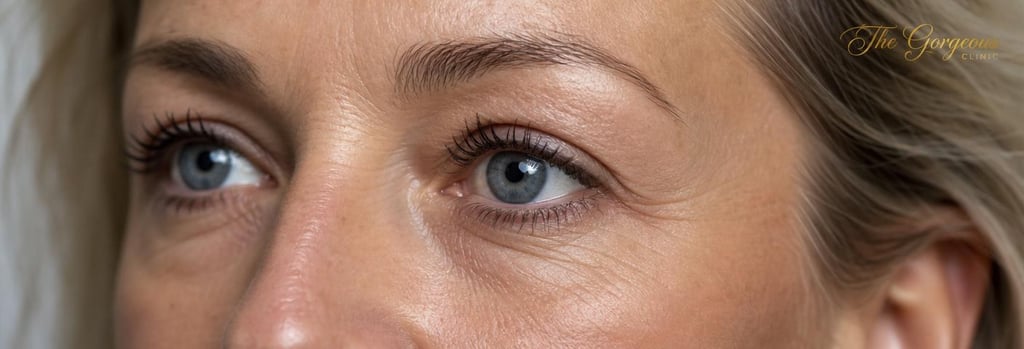
The under-eye area is delicate. Small, superficial injections can help with skin quality there, but risks include swelling and unevenness. Superficial skin boosters are commonly used for a hydrated, brighter under-eye look in suitable patients. Polynucleotides are also used for under-eye brightening where thinning or crepey texture is present, but technique and product choice matter a great deal.
Anyone considering treatments under the eyes needs an experienced clinician who can assess anatomy, previous treatments and lymphatic tendency. Ask specifically about aftercare, expected swelling timelines and how many sessions they recommend for under-eye work.
Anyone considering treatments under the eyes needs an experienced clinician who can assess anatomy, previous treatments and lymphatic tendency. Ask specifically about aftercare, expected swelling timelines and how many sessions they recommend for under-eye work.
How results develop and what to expect
Skin boosters often give a noticeable improvement in hydration and surface smoothness within 1 to 2 weeks. The effect can be seen sooner because hyaluronic acid draws water into the dermis. Maintenance sessions are commonly scheduled every 4 to 6 months.
Polynucleotide results are more gradual. You may see small changes after a few weeks, with more visible improvement after 2 to 3 sessions spaced weeks apart. Improvements in firmness and texture can continue for months. Both approaches may require a course of treatments for sustained benefit, and combining treatments is common for balanced results.
Polynucleotide results are more gradual. You may see small changes after a few weeks, with more visible improvement after 2 to 3 sessions spaced weeks apart. Improvements in firmness and texture can continue for months. Both approaches may require a course of treatments for sustained benefit, and combining treatments is common for balanced results.
Choosing a clinic and next steps
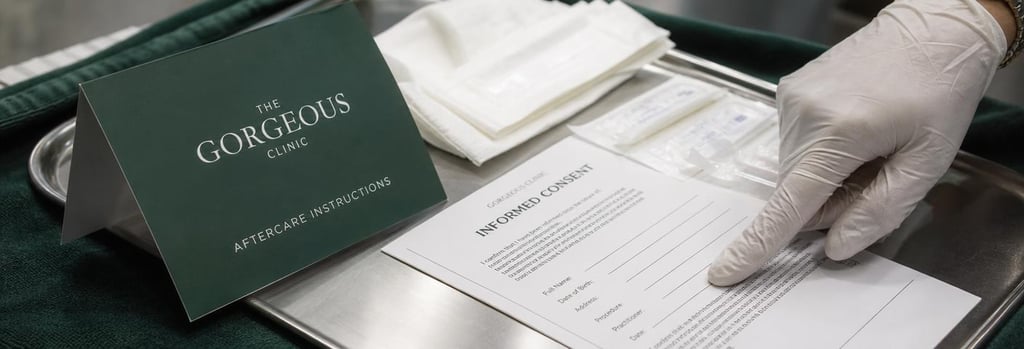
A careful consultation matters more than a catchy product name. A good clinician will assess skin thickness, medical history, previous procedures and realistic goals. They should explain likely timelines, show you aftercare, and outline risks including temporary bruising, swelling and rare complications. Ask about product type and whether they use cannula or needle techniques.
If you are exploring injectable moisturisers or advanced approaches, ask about combined plans and alternatives such as collagen induction options. For example, many patients benefit from combining boosters with treatments like our injectable moisturisers pathway to optimise hydration. If you are considering treatment, a consultation is the safest place to start.
If you are exploring injectable moisturisers or advanced approaches, ask about combined plans and alternatives such as collagen induction options. For example, many patients benefit from combining boosters with treatments like our injectable moisturisers pathway to optimise hydration. If you are considering treatment, a consultation is the safest place to start.
Ready to connect?
All our consultations come with no obligation to book, and are pressure-free and education focused.
Book a Free Consultation
Book a Treatment
Whatsapp Message us