Microneedling For Acne Scars: When It Helps And When It Is Not Enough
Jenna Hickson
5 minute read
Back to blog
You want smoother skin but you are unsure whether microneedling will fix years of pitted acne scars. Microneedling, also called collagen induction therapy, helps by stimulating new collagen and improving texture. It works best for shallow, rolling or mildly indented scars. Deeper, tethered or boxcar scars often need extra techniques such as subcision, platelet rich plasma or energy-based resurfacing. A proper assessment tells us which route is sensible and safe, and whether active acne needs treating first. Below we explain what microneedling can realistically do, when it is not enough, timelines, typical sessions and sensible aftercare.
Microneedling For Acne Scars: When It Helps And When It Is Not Enough, What Is Microneedling?
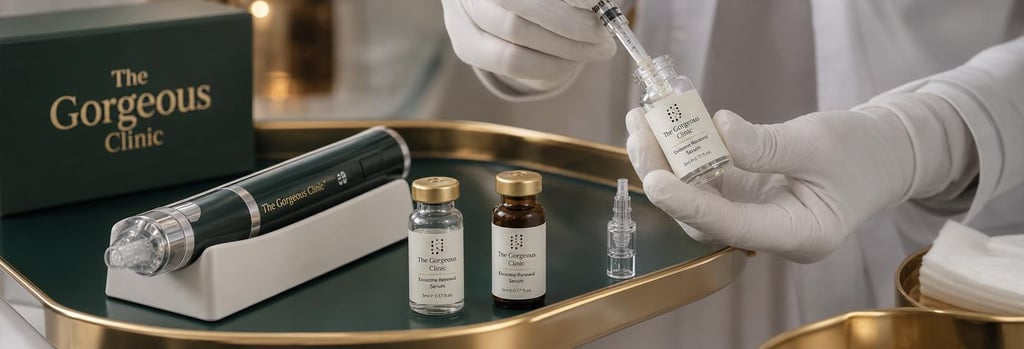
Microneedling, or collagen induction therapy, uses tiny sterile needles to make controlled micro-injuries in the skin. Each microchannel triggers a repair response that encourages new collagen and elastin. Over a series of sessions this can soften texture, reduce shallow scarring and improve overall skin tone. The procedure is usually performed with a motorised pen device in clinic, sometimes combined with serums or topical growth factors to support healing. Microneedling is not a peel. It acts through tissue remodelling rather than removing the top skin layer, so downtime is typically short and redness settles in days.
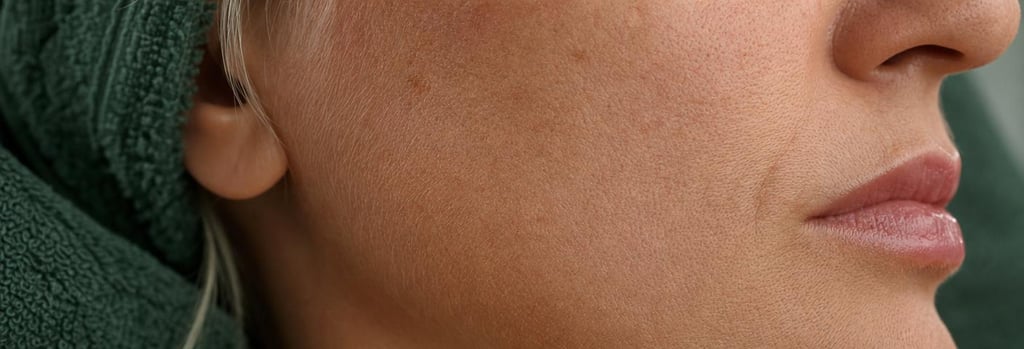
Microneedling is a good option for mild to moderate acne scarring, especially when scars are broad and shallow rather than sharply tethered to deeper tissue. It is not suitable if acne is actively inflamed across the area, because creating microchannels through active lesions can spread bacteria and worsen inflammation.
Microneedling is a good option for mild to moderate acne scarring, especially when scars are broad and shallow rather than sharply tethered to deeper tissue. It is not suitable if acne is actively inflamed across the area, because creating microchannels through active lesions can spread bacteria and worsen inflammation.
When Microneedling Helps
Microneedling is most effective for depressed scars that are superficial to mid-dermis, for rolling or diffusely pitted texture, and for overall skin quality concerns like enlarged pores and fine lines. Results happen gradually. You will usually see texture softening after the first 2 sessions and clearer improvement after 3 to 6 sessions spaced four to six weeks apart. Each session stimulates collagen but the most visible change often appears in the months after the last treatment as collagen matures.
Expect incremental gains rather than dramatic, instant erasure. Combining microneedling with topical treatments applied during or after the procedure can improve outcomes. For clients on the Fylde Coast seeking a natural, fresher look, microneedling can be a sensible step when scarring is not deeply tethered.
Expect incremental gains rather than dramatic, instant erasure. Combining microneedling with topical treatments applied during or after the procedure can improve outcomes. For clients on the Fylde Coast seeking a natural, fresher look, microneedling can be a sensible step when scarring is not deeply tethered.
When Microneedling Is Not Enough
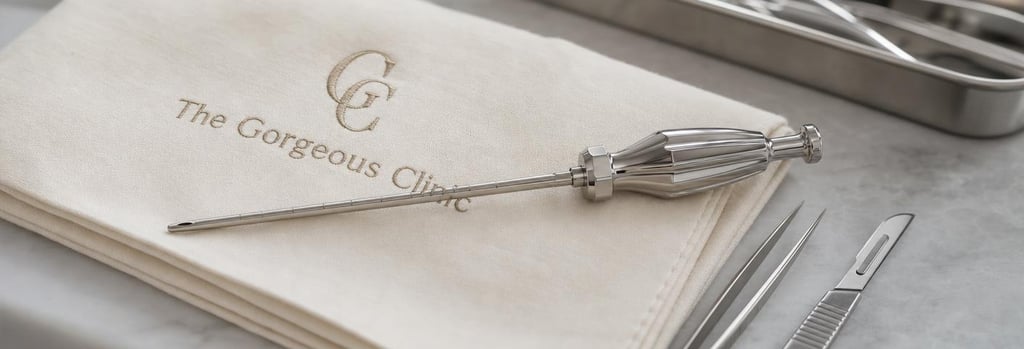
Deep boxcar or icepick scars and scars that are tethered to deeper layers often do not respond fully to microneedling alone. These scars may need mechanical release, called subcision, to free the tethered tissue before collagen-inducing treatments work. Subcision is particularly useful for scarring that has been present for years and feels fixed to the deeper layers. Similarly, some clients get faster, better results when microneedling is combined with platelet rich plasma, skin-boosting injectables or fractional lasers.
If acne is active, microneedling should be postponed. For active acne we often recommend a 30% salicylic acid clinic peel or medical acne treatment first. That approach helps control inflammation before any needling or subcision, reducing infection risk and improving final results.
If acne is active, microneedling should be postponed. For active acne we often recommend a 30% salicylic acid clinic peel or medical acne treatment first. That approach helps control inflammation before any needling or subcision, reducing infection risk and improving final results.
Typical Treatment Plan And Timelines
A typical plan for microneedling for acne scarring is 3 to 6 sessions, spaced four to six weeks apart. Many clients notice initial smoothing after two sessions, with continued improvement up to six months after the final treatment as collagen remodels. When combined with PRP or topical growth factors, sessions may be fewer but recovery similar.
Subcision is usually done as a targeted procedure under local anaesthetic in one or two sessions, sometimes followed by microneedling four to six weeks later. If a 30% salicylic acid peel is needed for active acne, we treat inflammation first and only start microneedling after the skin has settled. Your clinician will plan realistic expectations and a schedule based on scar type and skin health.
Subcision is usually done as a targeted procedure under local anaesthetic in one or two sessions, sometimes followed by microneedling four to six weeks later. If a 30% salicylic acid peel is needed for active acne, we treat inflammation first and only start microneedling after the skin has settled. Your clinician will plan realistic expectations and a schedule based on scar type and skin health.
Aftercare And Choosing Assessment
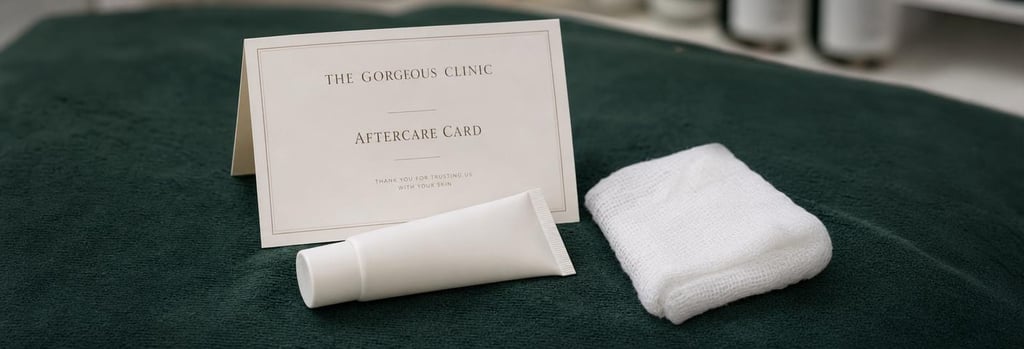
After a microneedling session expect redness, mild swelling and tightness for 24 to 72 hours. Keep the skin clean, avoid active skincare ingredients for a few days, use a gentle cleanser, and apply a physical sunscreen daily. Do not pick at scabs. If you have had subcision there may be bruising or mild soreness for a week. Follow-up photos and review sessions let your clinician judge progress and decide whether combination therapy is needed.
Proper assessment matters because two people with similar-looking scarring can need very different treatments. A face-to-face or detailed photo assessment helps us choose microneedling alone, microneedling with PRP, or a plan that includes subcision or a peel. If you would like advice on what would suit your face, The Gorgeous Clinic can talk you through your options.
Proper assessment matters because two people with similar-looking scarring can need very different treatments. A face-to-face or detailed photo assessment helps us choose microneedling alone, microneedling with PRP, or a plan that includes subcision or a peel. If you would like advice on what would suit your face, The Gorgeous Clinic can talk you through your options.