Under-Eye Treatments: Filler, Polynucleotides, Skin Boosters
Clinical Director John
6 minute read
Back to blog
You want your eyes to look rested, not altered, but you are unsure which route will actually help. Under-eye concerns cover different problems: true hollowing, outer-corner volume loss, thin crepey skin, darkness and puffiness. The right treatment depends on which problem is primary. Below I explain what each option does, when we might favour a careful deep filler placed close to bone, when polynucleotides help, and why improving skin quality first is often the safest way to a fresher under-eye without unwanted swelling.
Under-Eye Treatments: Filler, Polynucleotides, Skin, Common Under-Eye Concerns
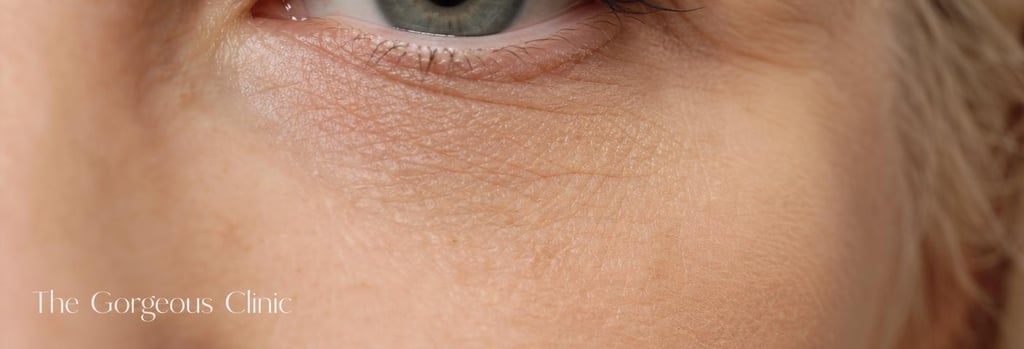
Under the skin around the eye there are several different changes that make us look tired. True structural hollowing or volume loss leaves a shadow between the lower eyelid and cheek. Loss near the outer under-eye can deepen the tear trough line and flatten cheek support.
Thinner, crepey skin looks wrinkled and translucent. Surface discolouration or shadowing is often a mix of skin thinness, shadows from hollows, and vascular or pigment changes. Fluid retention or fat herniation causes puffiness rather than hollowness. Identifying the main problem matters because treatments that add volume can help hollows, but can worsen puffiness or sit oddly on very thin, weak skin.
Thinner, crepey skin looks wrinkled and translucent. Surface discolouration or shadowing is often a mix of skin thinness, shadows from hollows, and vascular or pigment changes. Fluid retention or fat herniation causes puffiness rather than hollowness. Identifying the main problem matters because treatments that add volume can help hollows, but can worsen puffiness or sit oddly on very thin, weak skin.
When Filler Can Help
If the main issue is true structural hollowing, especially at the outer under-eye or along the cheek bone, carefully placed filler can restore support. We avoid routine superficial tear trough placement. Instead, a deep dermal technique places a small volume against the bone to lift and smooth the transition between eyelid and cheek. This reduces shadowing while keeping the lid-cheek relationship natural.
Not everyone is suitable. People with significant fluid retention, prominent fat herniation, or very thin skin are at higher risk of puffiness or unevenness after filler. A consultation and facial assessment determine whether deep support with a small amount of filler is appropriate, or whether alternative skin-focused approaches are safer.
Not everyone is suitable. People with significant fluid retention, prominent fat herniation, or very thin skin are at higher risk of puffiness or unevenness after filler. A consultation and facial assessment determine whether deep support with a small amount of filler is appropriate, or whether alternative skin-focused approaches are safer.
Polynucleotides For Skin Strength
Polynucleotide injections are designed to support skin tone, resilience and microcirculation rather than add obvious volume. For under-eye skin that is thin, dull or slightly lax, a course of polynucleotides can brighten and improve skin quality over weeks to months. Expect subtle, gradual changes in tone and firmness rather than dramatic tightening or texture smoothing in a single treatment.
Because results are gentle, polynucleotides are often combined with other modalities such as microneedling or chemical peels for a fuller improvement in texture. They can be a good choice when you want to strengthen the skin so it better tolerates later volume work, or when volume is not the main issue.
Because results are gentle, polynucleotides are often combined with other modalities such as microneedling or chemical peels for a fuller improvement in texture. They can be a good choice when you want to strengthen the skin so it better tolerates later volume work, or when volume is not the main issue.
Why Skin Quality Comes First
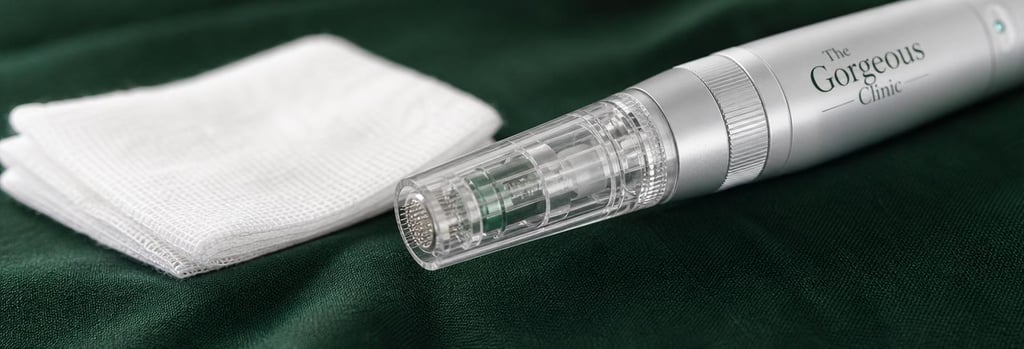
Very thin, crepey skin is a weak foundation for volume. Adding filler into or just under thin skin can look uneven or cause prolonged swelling. For this reason, improving skin structure is often the first priority for crepey under-eyes. Collagen induction therapies, such as needling, stimulate new collagen and improve texture over a few months. Deeper chemical peels targeted at periocular-safe formulations can also tighten and thicken superficial layers when performed by an experienced clinician.
We do not recommend superficial hyaluronic acid skin boosters directly under the eyes. These hydrophilic products can attract fluid and cause puffiness or persistent swelling in this delicate area. A staged approach, starting with skin-strengthening treatments, usually gives more predictable, long-term results.
We do not recommend superficial hyaluronic acid skin boosters directly under the eyes. These hydrophilic products can attract fluid and cause puffiness or persistent swelling in this delicate area. A staged approach, starting with skin-strengthening treatments, usually gives more predictable, long-term results.
Choosing The Right Approach
A good consultation identifies which under-eye problem is primary and builds a staged plan. If structural hollowing is the main issue and you are suitable, a measured deep filler approach can restore support without looking puffy. If weak, crepey skin or surface discolouration dominates, start with polynucleotides, microneedling or a targeted peel. Combining treatments at the right times gives more balanced results than trying to fix everything at once.
Local clinics on the Fylde Coast and across Lancashire vary in experience. Look for clinicians who assess lid-cheek anatomy, explain risks such as swelling or vascular events, and discuss realistic outcomes. If you would like advice on what would suit your face, The Gorgeous Clinic can talk you through your options.
Local clinics on the Fylde Coast and across Lancashire vary in experience. Look for clinicians who assess lid-cheek anatomy, explain risks such as swelling or vascular events, and discuss realistic outcomes. If you would like advice on what would suit your face, The Gorgeous Clinic can talk you through your options.