Masseter Treatment: Jaw Slimming and Teeth Grinding
Jenna Hickson
5 minute read
Back to blog
A heavy or square jaw can be frustrating, and nightly teeth grinding or jaw clenching is uncomfortable and sometimes painful. Masseter treatment with targeted anti-wrinkle injections is a non-surgical option that can soften a strong jawline and reduce grinding by relaxing the chewing muscle. It is not a one-size-fits-all fix, and outcomes depend on your anatomy and the cause of the problem. This piece explains how the masseter works, who may benefit, what realistic results look like, and why a careful assessment matters before any treatment.
Masseter Treatment: Jaw Slimming and Teeth Grinding, What the masseter does
The masseter is the main chewing muscle. It sits at the back corner of the jaw, behind the lower cheek, and helps you bite and chew. When it is large or overactive, the jaw can look square or heavy. Some people develop a visibly stronger jaw with age, particularly if they habitually clench or grind their teeth.
Teeth grinding, medically called bruxism, often happens at night and can be related to stress, sleep patterns, dental alignment or a habitual habit. Masseter overactivity can make grinding worse and may contribute to jaw discomfort, headaches and worn teeth. Understanding the muscle and the behaviour behind it is the first step to sensible treatment.
Teeth grinding, medically called bruxism, often happens at night and can be related to stress, sleep patterns, dental alignment or a habitual habit. Masseter overactivity can make grinding worse and may contribute to jaw discomfort, headaches and worn teeth. Understanding the muscle and the behaviour behind it is the first step to sensible treatment.

How masseter injections work
Masseter injections use small doses of an anti-wrinkle product to partially relax the muscle. The aim is to reduce bulk and activity, not to stop chewing. Relaxing the masseter can soften a square jaw and reduce the force of grinding during sleep. Results usually appear over 2 to 6 weeks as the muscle thins and the face subtly reshapes.
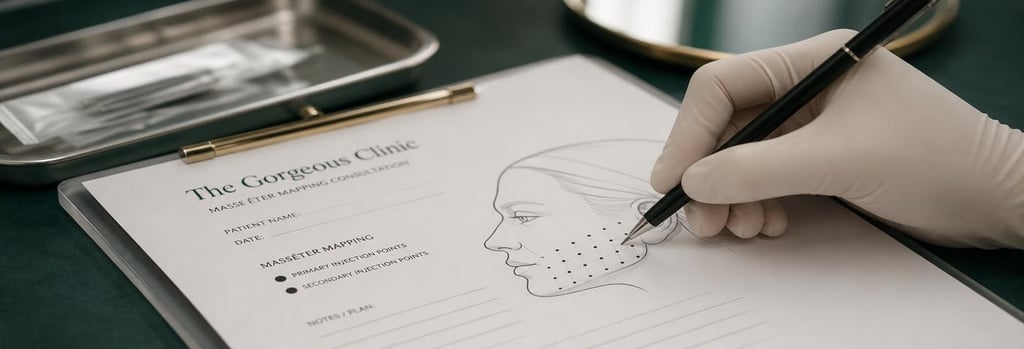
Dosing is tailored. Experienced clinicians map the muscle, ask about biting habits and check facial balance before placing injections. The treatment is quick and performed with fine needles. Sensation is usually mild and downtime low, though short-term chewing fatigue or tenderness can occur while the muscle adapts.
Dosing is tailored. Experienced clinicians map the muscle, ask about biting habits and check facial balance before placing injections. The treatment is quick and performed with fine needles. Sensation is usually mild and downtime low, though short-term chewing fatigue or tenderness can occur while the muscle adapts.
Who may benefit
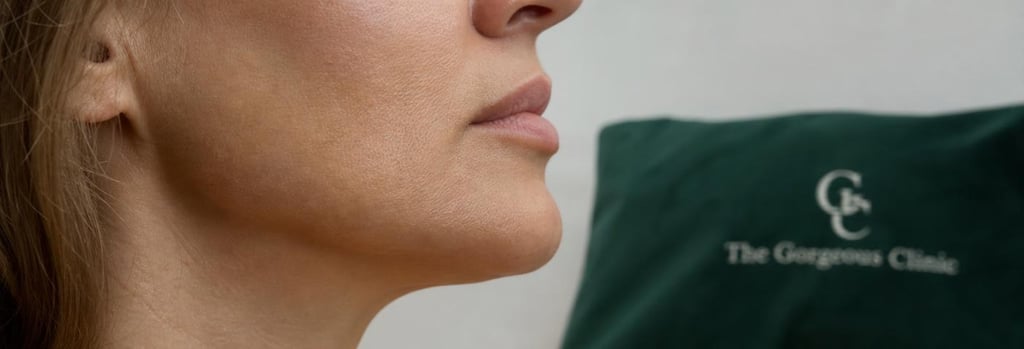
Masseter treatment may suit people with a visible square jaw caused by a large masseter muscle, or those whose grinding and clenching cause discomfort, headaches or dental wear. It is commonly chosen by men and women in midlife who want a softer jawline without surgery. It can also help some people with TMD-related muscle pain when that pain is driven by muscle overactivity.
Masseter injections are not suitable where a square jaw is mainly due to bone structure, or where dental issues are the primary cause of grinding. A dental assessment is useful if teeth alignment or bite is suspected to contribute. Expect an honest assessment: if your profile needs a different approach, your clinician should explain why.
Masseter injections are not suitable where a square jaw is mainly due to bone structure, or where dental issues are the primary cause of grinding. A dental assessment is useful if teeth alignment or bite is suspected to contribute. Expect an honest assessment: if your profile needs a different approach, your clinician should explain why.

What it can and cannot do
What masseter injections can do: reduce muscle bulk and soften a square jaw, lower the force of night-time grinding for many people, and relieve some muscle-related jaw pain and headaches. Results are gradual and subtle, and often most noticeable in photos or when you study your profile.
What they cannot do: change bone shape, permanently stop bruxism caused primarily by dental or sleep-breathing problems, or deliver dramatic face-lifts. Some people need combined care, for example dental splints, sleep assessment or complementary treatments. If facial balance is the priority, your clinician may suggest combining masseter injections with other facial approaches such as filler or anti-wrinkle injections elsewhere. For complementary anti-wrinkle options see [[LINK:anti-wrinkle-injections|anti-wrinkle injections]].
What they cannot do: change bone shape, permanently stop bruxism caused primarily by dental or sleep-breathing problems, or deliver dramatic face-lifts. Some people need combined care, for example dental splints, sleep assessment or complementary treatments. If facial balance is the priority, your clinician may suggest combining masseter injections with other facial approaches such as filler or anti-wrinkle injections elsewhere. For complementary anti-wrinkle options see [[LINK:anti-wrinkle-injections|anti-wrinkle injections]].
Assessment, safety and results
A responsible assessment covers your medical history, dental history, jaw pain, headaches and a physical mapping of the masseter. Clinicians should check for asymmetry, ask about brace or crown work and discuss realistic outcomes and follow-up. Repeat treatments are common because the effect wears off with time, typically lasting 3 to 6 months, but this varies.
Risks are usually mild: temporary chewing weakness, bruising, asymmetry or short-lived smile changes. Rare complications can occur, which is why treatment should be performed by an experienced prescriber and followed up. If you have TMJ pain or significant dental issues, co-ordinated care with your dentist or GP is sensible. If you are considering treatment, a consultation is the safest place to start. [1] [2]
Risks are usually mild: temporary chewing weakness, bruising, asymmetry or short-lived smile changes. Rare complications can occur, which is why treatment should be performed by an experienced prescriber and followed up. If you have TMJ pain or significant dental issues, co-ordinated care with your dentist or GP is sensible. If you are considering treatment, a consultation is the safest place to start. [1] [2]
Ready to connect?
All our consultations come with no obligation to book, and are pressure-free and education focused.
Book a Free Consultation
Book a Treatment
Whatsapp Message us