Lip Filler and Cold Sores: Prevention, Symptoms & Care
5 minute read
Back to blog
You want fuller lips but you have a history of cold sores, or you simply worry a needle near your mouth could spark one. That concern is sensible. Cold sores are common, and injectable lip treatments can sometimes trigger them. Read on for a clear explanation of why that happens, how to reduce the chance of an outbreak, how to spot early symptoms, and what safe treatment looks like if a cold sore appears after filler.
Lip Filler and Cold Sores: Prevention, Symptoms & Care, Why cold sores happen
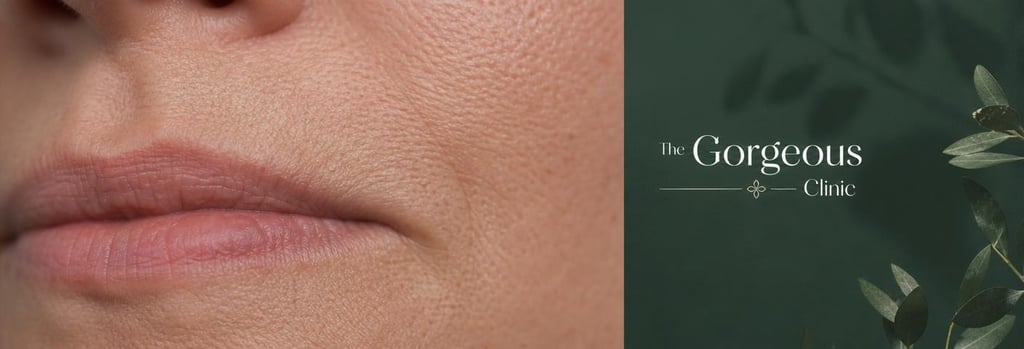
Cold sores are caused by the herpes simplex virus type 1, often following an earlier infection that stays dormant in nerve cells. Periods of stress, illness, sun exposure or local trauma can reactivate the virus, causing a blister to form on or around the lip. A small skin injury or inflammation is enough to trigger reactivation in people who carry the virus.
Knowing this helps explain why dental work, lip surgery and injections can sometimes precipitate an outbreak. The injection itself is not the virus, but it creates local trauma and inflammation that may wake the dormant virus. If you get cold sores occasionally, a cosmetic needle near the mouth can raise the risk compared with someone who has never had one. [1]
Knowing this helps explain why dental work, lip surgery and injections can sometimes precipitate an outbreak. The injection itself is not the virus, but it creates local trauma and inflammation that may wake the dormant virus. If you get cold sores occasionally, a cosmetic needle near the mouth can raise the risk compared with someone who has never had one. [1]
Does lip filler trigger cold sores?
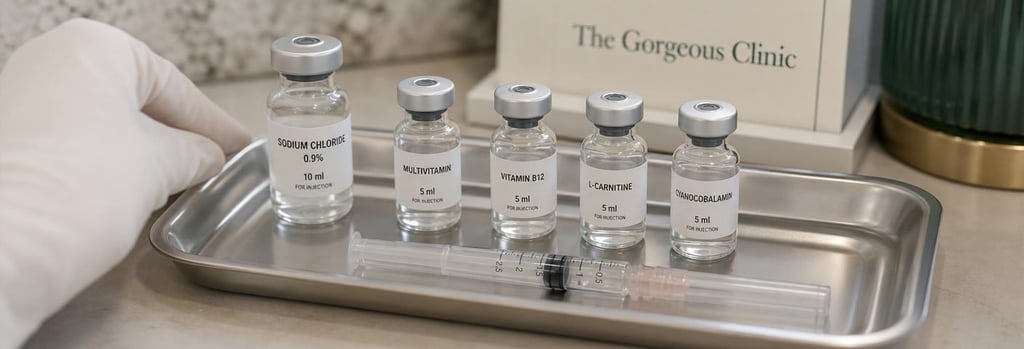
Yes, lip filler can trigger a cold sore in someone who already carries the herpes simplex virus. The needle causes tiny, localised trauma and short-term inflammation. That is sometimes enough to reactivate dormant virus in nearby nerve cells and cause an outbreak within a few days. The overall risk is not huge, but it is real and predictable in people with a known history of cold sores.
Because the trigger is mechanical and inflammatory, clinicians manage risk with practical steps. If you have recurrent cold sores, your practitioner should discuss antiviral prevention and timing before treatment. That reduces the chance of an outbreak and helps protect the filler result.
Because the trigger is mechanical and inflammatory, clinicians manage risk with practical steps. If you have recurrent cold sores, your practitioner should discuss antiviral prevention and timing before treatment. That reduces the chance of an outbreak and helps protect the filler result.
Symptoms and typical timeline
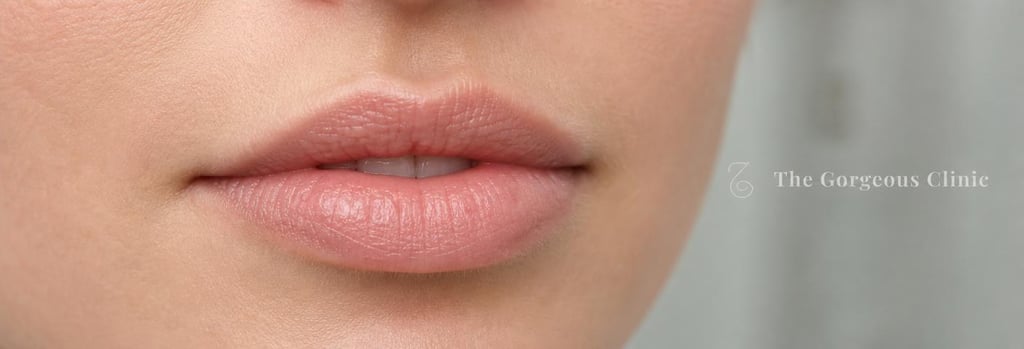
A cold sore after lip filler usually appears within 24 to 72 hours, though it can take up to a week. The earliest sign is often a tingling, burning or itching sensation at the lip edge. This prodrome can last a few hours to a couple of days before a small fluid-filled blister appears. The blister may burst, crust and heal over 7 to 10 days in a typical episode.
If you notice tingling soon after treatment, contact your clinic promptly. Early antiviral treatment shortens the episode and reduces viral shedding. If a lesion looks unusually swollen, painful, spreading rapidly or shows signs of bacterial infection, seek medical review without delay. [1]
If you notice tingling soon after treatment, contact your clinic promptly. Early antiviral treatment shortens the episode and reduces viral shedding. If a lesion looks unusually swollen, painful, spreading rapidly or shows signs of bacterial infection, seek medical review without delay. [1]
How to reduce the risk
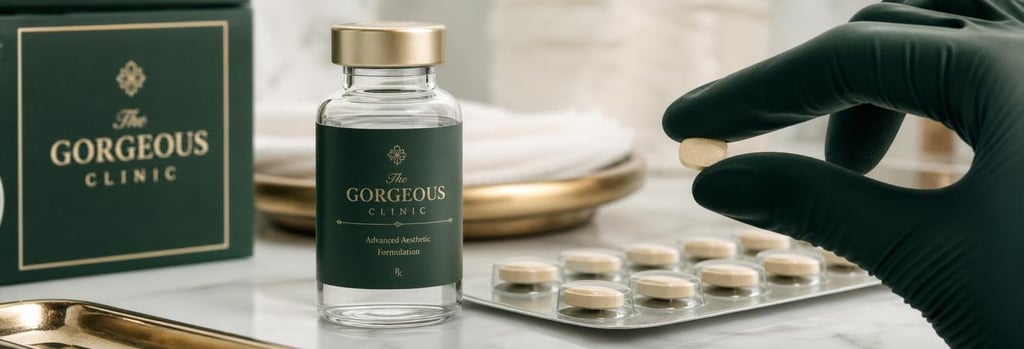
If you have a history of cold sores, discuss it openly at consultation. Many clinics recommend a short course of antiviral tablets started before treatment and continued afterwards. Typical options include aciclovir or valaciclovir; your prescribing clinician will advise dose and timing. Evidence and clinic practice support prophylactic antiviral use to reduce post-procedure outbreaks in at-risk patients. [1]
Other practical steps help too. Avoid injections during an active outbreak. Delay non-urgent lip treatments if you are unwell, sunburnt on the lips or under high stress. Gentle technique, minimal trauma and expert injection placement also lower inflammatory response. Patients wanting overall skin quality improvement may consider [[LINK:collagen-inductiontherapy|collagen induction therapy]] as part of a broader plan that avoids immediate lip trauma.
Other practical steps help too. Avoid injections during an active outbreak. Delay non-urgent lip treatments if you are unwell, sunburnt on the lips or under high stress. Gentle technique, minimal trauma and expert injection placement also lower inflammatory response. Patients wanting overall skin quality improvement may consider [[LINK:collagen-inductiontherapy|collagen induction therapy]] as part of a broader plan that avoids immediate lip trauma.
If a cold sore appears after filler
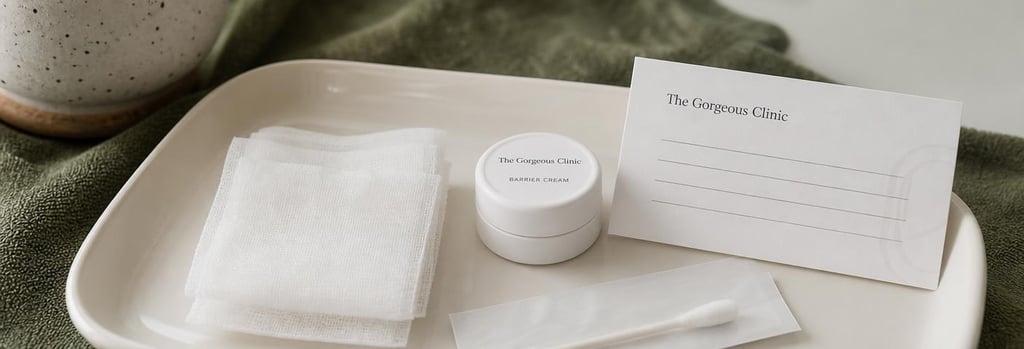
If a cold sore starts after filler, contact your treating clinic or GP for advice. Early antiviral treatment is most effective when started promptly and can shorten healing time. Topical creams provide modest symptom relief but are less powerful than oral antivirals for outbreaks. Keep the area clean and avoid touching or picking blisters to reduce bacterial infection and spreading.
Most cold sores heal without long-term effect on a filler result, though intense inflammation or secondary infection can affect swelling and comfort. If you are concerned about your filler position or persistent swelling after the cold sore has healed, return for a follow-up appointment. If you would like advice on what would suit your face, The Gorgeous Clinic can talk you through your options.
Most cold sores heal without long-term effect on a filler result, though intense inflammation or secondary infection can affect swelling and comfort. If you are concerned about your filler position or persistent swelling after the cold sore has healed, return for a follow-up appointment. If you would like advice on what would suit your face, The Gorgeous Clinic can talk you through your options.
Ready to connect?
All our consultations come with no obligation to book, and are pressure-free and education focused.
Book a Free Consultation
Book a Treatment
Whatsapp Message us