How to Choose a Premium Aesthetics Clinic in the North West
Daniel Armstrong
5 minute read
Back to blog
You want to look fresher without looking over-done, and you are worried about choosing the wrong clinic. Start with simple checks that tell you whether a clinic takes safety and judgement seriously. Look for clear practitioner training, detailed consultations that ask about health and expectations, consistent before-and-after photos that look honest, up-to-date product choice, hygiene standards and sensible aftercare. For many people across Blackpool, the Fylde Coast, Lancashire and the Lake District, these practical checks separate careful clinics from rushed, sales-driven places.

How to Choose a Premium Aesthetics Clinic in the North West, What to check first
Start with the basics you can check quickly. Look for clear practitioner names, professional titles and regulated qualifications on the clinic website. A responsible clinic lists who performs treatments and their training. If names are missing, ask directly.
Next, read recent reviews. Long, consistent reviews that describe the whole experience are more useful than short one-line star ratings. Note whether reviews mention realistic results, helpful consultations and aftercare. Also check how the clinic replies to negative feedback. A thoughtful, professional reply shows they care about safety and outcomes.
Next, read recent reviews. Long, consistent reviews that describe the whole experience are more useful than short one-line star ratings. Note whether reviews mention realistic results, helpful consultations and aftercare. Also check how the clinic replies to negative feedback. A thoughtful, professional reply shows they care about safety and outcomes.

Qualifications and training
Don’t rely on marketing language alone. Check that injectors or clinicians hold relevant, regulated medical qualifications and follow recognised postgraduate training in aesthetic techniques. Ideally, the practitioner will be a doctor, dentist or nurse with additional certified training in injectable treatments and anatomy.
Ask about ongoing education. A good clinic keeps staff up-to-date with refresher courses and attends peer-reviewed training. This matters because techniques and safety guidance change. If a clinic cannot describe training or professional memberships, treat that as a warning sign rather than a minor omission.
Ask about ongoing education. A good clinic keeps staff up-to-date with refresher courses and attends peer-reviewed training. This matters because techniques and safety guidance change. If a clinic cannot describe training or professional memberships, treat that as a warning sign rather than a minor omission.
Consultation and treatment planning
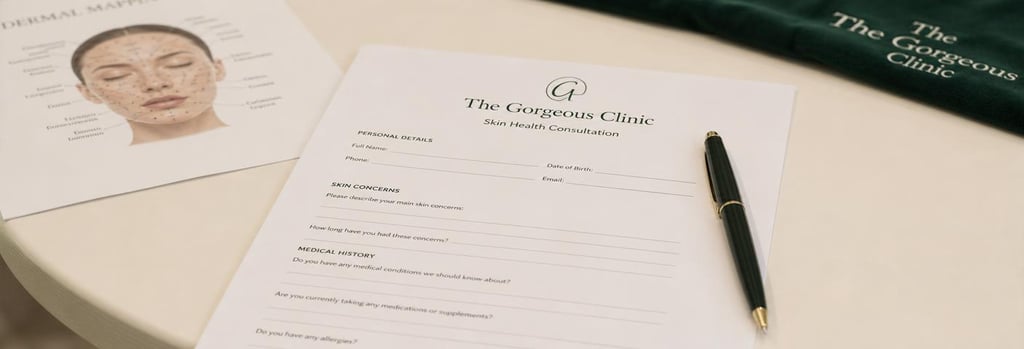
A thorough consultation is the most important single test. It should include a medical history, discussion of medications and allergies, and questions about prior cosmetic treatments. The clinician should assess facial structure, skin quality and realistic goals before suggesting options.
Expect a clear explanation of benefits and limitations, plus a discussion of risks and recovery. If you are offered immediate treatment without proper assessment, or if you feel rushed, step back. A careful clinic will give you time to decide and will offer written aftercare and consent information.
Expect a clear explanation of benefits and limitations, plus a discussion of risks and recovery. If you are offered immediate treatment without proper assessment, or if you feel rushed, step back. A careful clinic will give you time to decide and will offer written aftercare and consent information.
Safety, products and hygiene
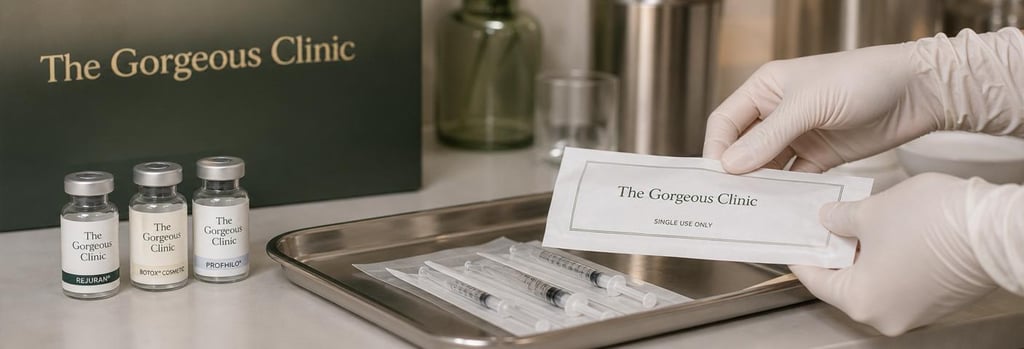
Ask what products the clinic uses and why. Reputable clinics use licensed or CE-marked products from established manufacturers and store them correctly. If the clinic cannot name the product or the manufacturer, ask for more detail before proceeding.
Hygiene should be visible and obvious: single-use items where appropriate, tidy treatment rooms, clear cleaning protocols and safe sharps disposal. Clinics should follow reporting and recall procedures for injectable devices and products. A willingness to explain these practical steps shows a safety-first culture.
Hygiene should be visible and obvious: single-use items where appropriate, tidy treatment rooms, clear cleaning protocols and safe sharps disposal. Clinics should follow reporting and recall procedures for injectable devices and products. A willingness to explain these practical steps shows a safety-first culture.
Aftercare, results and local reputation
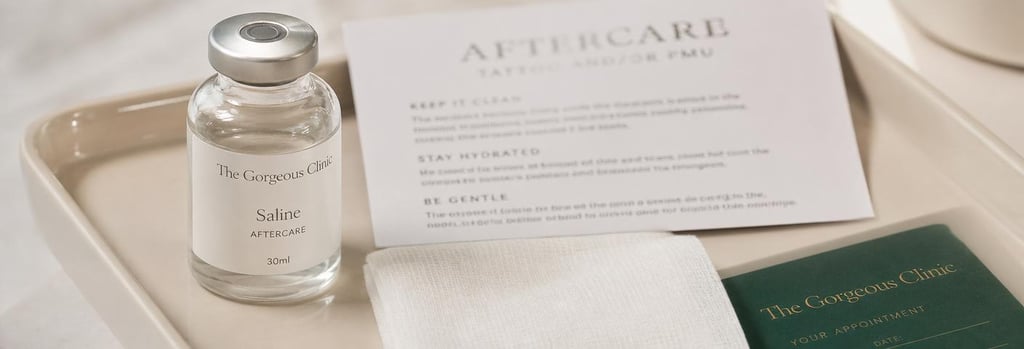
Good aftercare and honest results go together. A clinic should give clear written aftercare instructions and contact details for concerns. Ask how they manage complications and what follow-up is offered. Don’t accept vague promises; look for practical steps and realistic timelines.
Local reputation matters. For people in Blackpool, the Fylde Coast, Lancashire and nearby Cumbria, clinics that show consistent patient feedback and long-term presence are easier to trust. We have over 900 five-star reviews at the time of writing, the highest on the Fylde Coast, which reflects repeat patients and detailed feedback. If you are considering treatment, a consultation is the safest place to start.
Local reputation matters. For people in Blackpool, the Fylde Coast, Lancashire and nearby Cumbria, clinics that show consistent patient feedback and long-term presence are easier to trust. We have over 900 five-star reviews at the time of writing, the highest on the Fylde Coast, which reflects repeat patients and detailed feedback. If you are considering treatment, a consultation is the safest place to start.