How Long Lip Filler Lasts And What Affects Your Results
5 minute read
Back to blog
You want fuller, fresher lips without loud or unnatural results, and you also want to know how long the effect will last. Lip filler longevity depends on the product, how your body breaks it down, how much movement your lips do, and how treatments are placed. Below we explain typical timelines, the main things that speed or slow breakdown, what to expect after treatment and simple steps to get longer-lasting, natural-looking results.

How Long Lip Filler Lasts And What Affects Your Results, What is lip filler?
Lip filler most commonly uses hyaluronic acid, a naturally occurring sugar that holds water in the skin. Injected carefully, it adds volume, shape and soft support to the lips and the area around the mouth. Results depend on the product’s formulation, the amount used, and where the injector places it.
Hyaluronic acid fillers are temporary. The gel gradually breaks down by normal metabolic processes and by enzymes in the skin. That means results fade over time, but the process is predictable and reversible if needed. Knowing the basics helps you set realistic expectations at consultation.
Hyaluronic acid fillers are temporary. The gel gradually breaks down by normal metabolic processes and by enzymes in the skin. That means results fade over time, but the process is predictable and reversible if needed. Knowing the basics helps you set realistic expectations at consultation.
Typical timelines for results
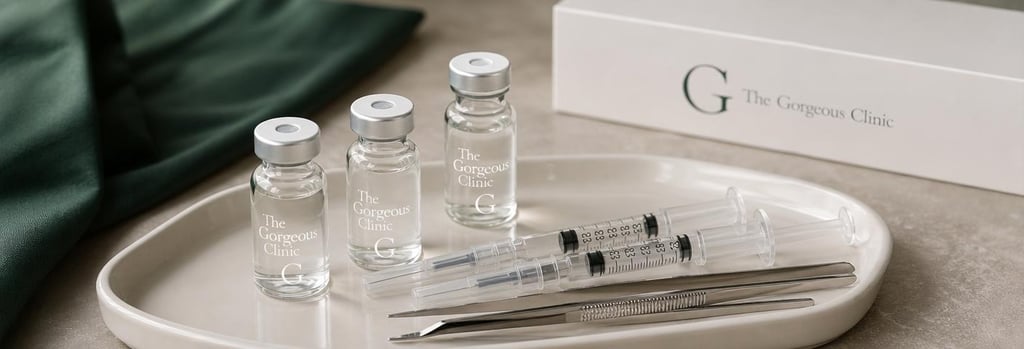
Most people see full settling of hyaluronic lip filler by 2 to 4 weeks after treatment. Early swelling and minor lumps often soften during this period. Clinically, many patients enjoy the look for 6 to 12 months, though individual experience varies. Thinner gels and small volumes often last towards the shorter end, while thicker or cross-linked gels may last nearer 12 months.
If you prefer regular maintenance, many patients return for a top-up at around 6 to 9 months to keep a consistent look. Your practitioner will recommend timing based on the filler used, your facial anatomy, and your personal goals.
If you prefer regular maintenance, many patients return for a top-up at around 6 to 9 months to keep a consistent look. Your practitioner will recommend timing based on the filler used, your facial anatomy, and your personal goals.
What shortens or lengthens how long it lasts
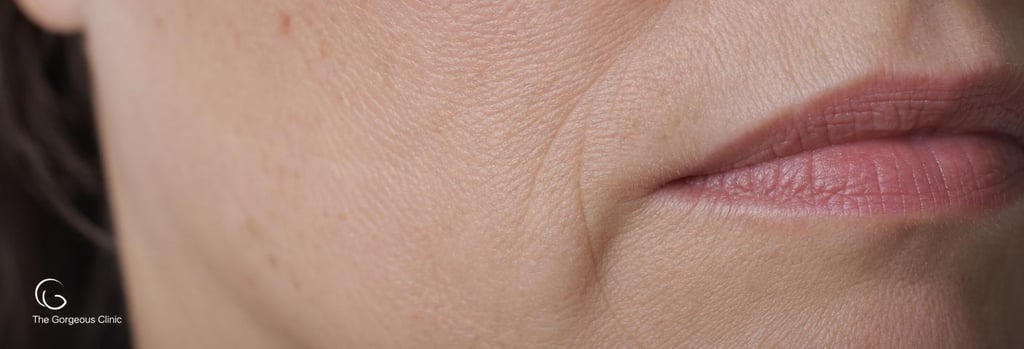
Several factors change how quickly filler breaks down. Product choice matters: thicker, more cross-linked gels resist breakdown longer. Amount and placement matter too: larger volumes and deeper placement often last longer. Your metabolism and lifestyle also play a role. Smoking, high sun exposure and an active metabolism can speed breakdown. Frequent movement shortens longevity: lips are the most mobile facial area, so results tend to fade faster than filler placed in cheeks.
Medical factors matter as well. Certain medications and health conditions can affect tissue turnover. During a consultation, your clinician should review your medical history and lifestyle to choose the right product and plan realistic follow-up.
Medical factors matter as well. Certain medications and health conditions can affect tissue turnover. During a consultation, your clinician should review your medical history and lifestyle to choose the right product and plan realistic follow-up.
Aftercare and small habits that help
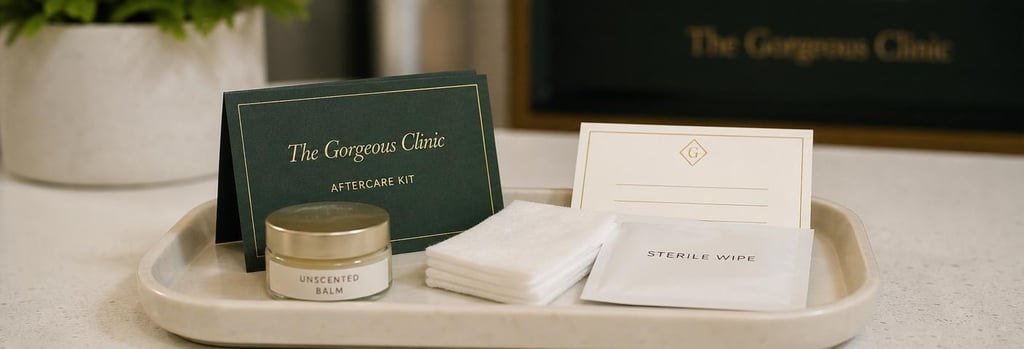
Aftercare influences both how the lips settle and how long the result lasts. Immediately after treatment avoid heavy exercise, alcohol for 24 hours and extremes of heat such as saunas for 48 hours. Gentle lip massage is not usually recommended unless your clinician asks you to do it. Protecting lips from sun and smoking less will help preserve results long term.
Top-ups timed appropriately keep the shape consistent with smaller amounts, which can be kinder and more economical than waiting for full loss and doing large re-volumising procedures. If you are considering other facial treatments to reduce movement lines, such as anti-wrinkle injections for the surrounding muscles, mention that at consultation as coordinated planning can help overall appearance. [[LINK:anti-wrinkle-injections|anti-wrinkle injections]]
Top-ups timed appropriately keep the shape consistent with smaller amounts, which can be kinder and more economical than waiting for full loss and doing large re-volumising procedures. If you are considering other facial treatments to reduce movement lines, such as anti-wrinkle injections for the surrounding muscles, mention that at consultation as coordinated planning can help overall appearance. [[LINK:anti-wrinkle-injections|anti-wrinkle injections]]

Choosing your clinic and what to ask
Longevity is not just about the syringe. Clinic standards, practitioner skill and conservative planning matter more for looking natural and for safe, longer-lasting satisfaction. Ask what product the clinic uses, who will perform your injection and whether they will use cannula or needle in different areas. Good clinics discuss contingencies such as dissolution with hyaluronidase if you are unhappy.
A free consultation lets you cover risks, expected timelines and realistic maintenance. If you would like advice on what would suit your face, The Gorgeous Clinic can talk you through your options. If you are considering treatments that complement filler later, like non-surgical lifting or skin boosters, mention that so your plan is joined-up and measured.
A free consultation lets you cover risks, expected timelines and realistic maintenance. If you would like advice on what would suit your face, The Gorgeous Clinic can talk you through your options. If you are considering treatments that complement filler later, like non-surgical lifting or skin boosters, mention that so your plan is joined-up and measured.
Ready to connect?
All our consultations come with no obligation to book, and are pressure-free and education focused.
Book a Free Consultation
Book a Treatment
Whatsapp Message us