Does the NHS Offer Anti-Wrinkle Injections?
Jenna Hickson
5 minute read
Back to blog
You might be wondering whether Botox or other anti-wrinkle injections are something the NHS provides. Many people search for NHS Botox because they want treatment that feels safe and affordable. The short answer is that cosmetic wrinkle-relaxing injections are normally provided privately. Botulinum toxin medicines do appear in NHS care, but for defined medical conditions rather than for cosmetic lines. Below I explain the difference, how prescriptions work, and what to check before you book.
Does the NHS Offer Anti-Wrinkle Injections?, What people mean by NHS Botox
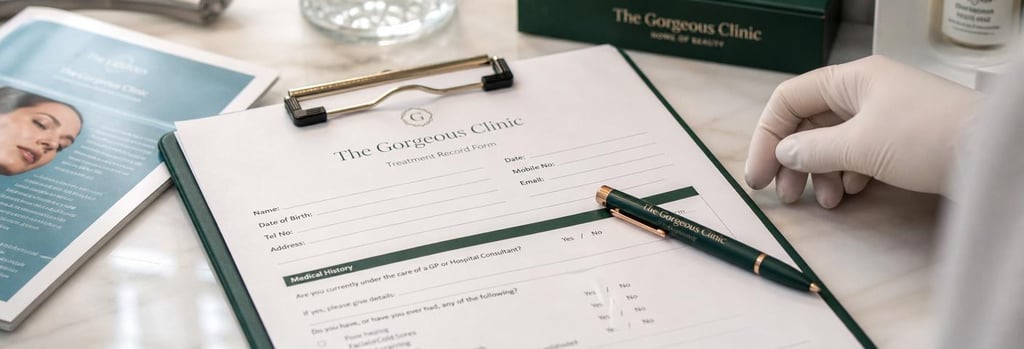
When people search for NHS anti-wrinkle injections or Botox on the NHS they usually mean cosmetic treatment for expression lines, such as forehead creases or frown lines. Cosmetic wrinkle-relaxing injections are given to soften movement-related lines and are usually offered by private clinics.
There is also medical use of botulinum toxin medicines in NHS settings. These are for conditions such as chronic migraine, certain muscle spasm disorders and hyperhidrosis, where the drug treats a recognised medical problem rather than a cosmetic concern. The two uses involve the same family of medicines, but the reasons and the pathways for treatment are different. [1]
There is also medical use of botulinum toxin medicines in NHS settings. These are for conditions such as chronic migraine, certain muscle spasm disorders and hyperhidrosis, where the drug treats a recognised medical problem rather than a cosmetic concern. The two uses involve the same family of medicines, but the reasons and the pathways for treatment are different. [1]
When the NHS may fund botulinum toxin
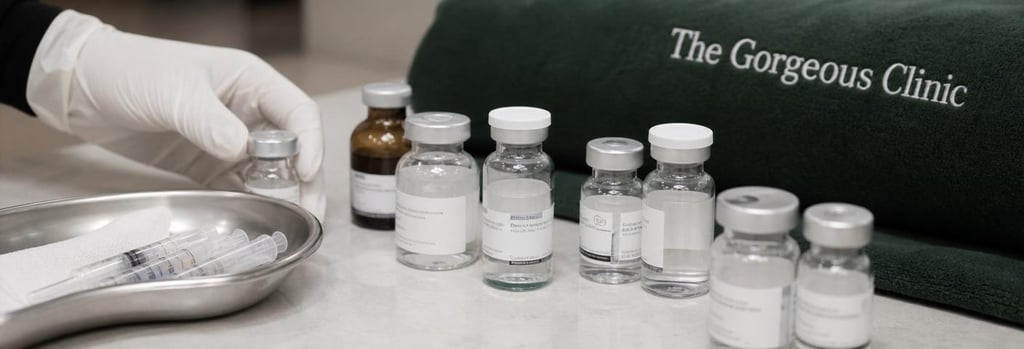
The NHS may provide botulinum toxin when it is clinically indicated and meets local commissioning criteria. Examples include chronic migraine management, some forms of muscle spasm, severe hyperhidrosis and other clearly defined conditions. Decisions are made by clinicians against local policies and national guidance, not by cosmetic wish. Local NHS policies also treat cosmetic procedures as low priority, so funding for aesthetics is generally not available. [1] [2]
If you think your symptoms might be due to a medical condition, start with your GP. They can assess your issue and, where appropriate, refer you to the relevant specialist. Referral and approval processes vary by area, so local commissioning rules will affect whether the NHS will fund treatment in your case. [2]
If you think your symptoms might be due to a medical condition, start with your GP. They can assess your issue and, where appropriate, refer you to the relevant specialist. Referral and approval processes vary by area, so local commissioning rules will affect whether the NHS will fund treatment in your case. [2]
Why cosmetic injections are usually private
Cosmetic anti-wrinkle injections for lines and facial appearance are normally arranged privately because the NHS deems them non-essential aesthetic care. This is true across most of the UK, including Blackpool and the Fylde Coast. Clinics that offer private treatment operate under different funding rules and often offer shorter appointment pathways for purely cosmetic requests.
Being private does not mean less safe. Reputable private clinics employ regulated prescribers, follow product guidance, and have professional indemnity insurance. If cost is a concern, talk to the clinic about realistic options and the consultation process rather than assuming the NHS will cover it.
Being private does not mean less safe. Reputable private clinics employ regulated prescribers, follow product guidance, and have professional indemnity insurance. If cost is a concern, talk to the clinic about realistic options and the consultation process rather than assuming the NHS will cover it.
Prescription rules, training and safety
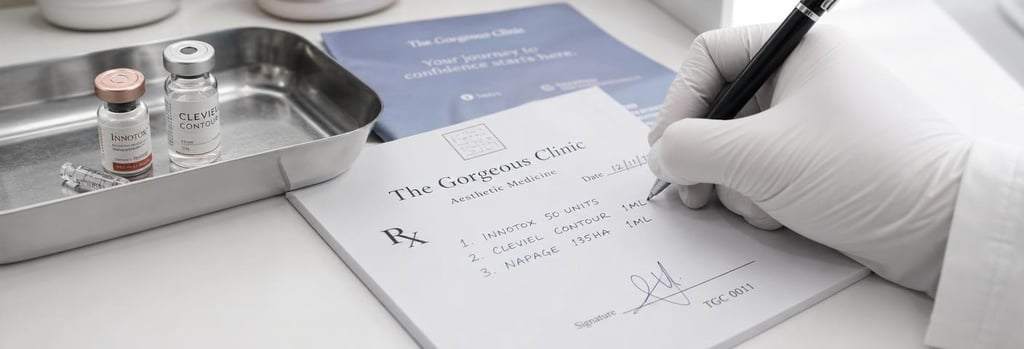
Botulinum toxin medicines are prescription-only in the UK, so a regulated prescriber must assess you and issue the prescription. Product choices, dosing and indication differ across brands, so the prescriber’s clinical judgment matters. The MHRA and specialist bodies emphasise that botulinum toxin should only be used by trained professionals and that off-label or unlicensed supplies are unsafe. [1] [2]
Training, appropriate clinical governance and indemnity cover are key. Ask any practitioner about their prescribing credentials, training in facial anatomy, how they handle complications and whether they carry insurance. Also check how the clinic sources its product. Reports of illegally traded or non-compliant products mean provenance is an important safety question. [2]
Training, appropriate clinical governance and indemnity cover are key. Ask any practitioner about their prescribing credentials, training in facial anatomy, how they handle complications and whether they carry insurance. Also check how the clinic sources its product. Reports of illegally traded or non-compliant products mean provenance is an important safety question. [2]
Practical next steps and choosing where to go
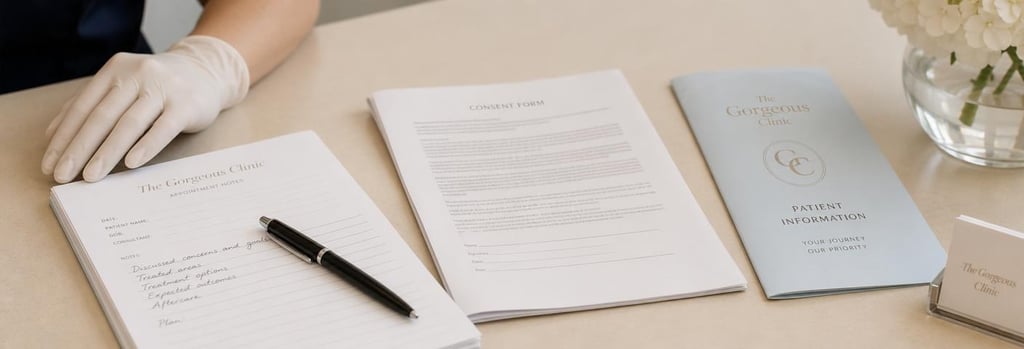
If you are considering anti-wrinkle treatment, start with a medical conversation rather than price comparisons. Ask for a one-to-one consultation with a prescriber who will discuss your medical history, expectations and the risks. Clinics should explain whether the proposed use is cosmetic or medically indicated, and how follow-up care is handled.
If you live locally in Blackpool or the North West and want to learn more about non-surgical options, a good place to start is an informed consultation. You can read more about our approach to wrinkle-relaxing injections here [[LINK:anti-wrinkle-injections|Anti-wrinkle / B’tox]]. If you are considering treatment, a consultation is the safest place to start.
If you live locally in Blackpool or the North West and want to learn more about non-surgical options, a good place to start is an informed consultation. You can read more about our approach to wrinkle-relaxing injections here [[LINK:anti-wrinkle-injections|Anti-wrinkle / B’tox]]. If you are considering treatment, a consultation is the safest place to start.
Ready to connect?
All our consultations come with no obligation to book, and are pressure-free and education focused.
Book a Free Consultation
Book a Treatment
Whatsapp Message us