Dermal Filler Risks: What Clients Should Know
5 minute read
Back to blog
You want a fresher, rested look but worry about the possible downsides of dermal filler. That hesitation is sensible. Fillers are effective when used correctly, yet they can cause predictable short-term effects and rare but important complications. Knowing what commonly happens, what is avoidable, and how to reduce risk helps you make a calm decision. Below we explain the typical reactions, less common problems, why practitioner skill and product choice matter, and what to expect at consultation and aftercare.
Dermal Filler Risks: What Clients Should Know, Common, Usually Temporary Effects
Most people experience mild, predictable reactions after dermal filler. Expect temporary swelling, redness and tenderness around injection sites. Bruising is common where tiny blood vessels are punctured. These usually settle over a few days to two weeks.
Small lumps or firmness can appear as the product beds in. Gentle massage, time and appropriate product selection normally resolve these. We explain expected healing and when to seek review during your consultation so you are not left worrying.
Small lumps or firmness can appear as the product beds in. Gentle massage, time and appropriate product selection normally resolve these. We explain expected healing and when to seek review during your consultation so you are not left worrying.

Lumps, Asymmetry and Product Choice
Lumps or unevenness sometimes come from the filler itself, from swelling or from uneven placement. Different filler formulations have different thickness and spread. Choosing the correct product for the area and depth of injection reduces a lot of these issues.
Experienced injectors also place product in the right layer and quantity. If a lump is persistent and the filler is hyaluronic acid, an enzyme called hyaluronidase can dissolve it. Dissolving is an effective corrective option, but it is a medical procedure that needs careful assessment.
Experienced injectors also place product in the right layer and quantity. If a lump is persistent and the filler is hyaluronic acid, an enzyme called hyaluronidase can dissolve it. Dissolving is an effective corrective option, but it is a medical procedure that needs careful assessment.

Infection, Hygiene and Aftercare
True infection after filler is uncommon but possible. Good hygiene, single-use sterile equipment and a clean clinic environment greatly reduce risk. Practitioners should use aseptic technique and screened products to keep infection rates very low.
Aftercare matters: avoid heavy makeup for 24 hours, skip strenuous exercise for 48 hours and follow any advice if given. If you see increasing redness, warmth, spreading tenderness or fever, contact the clinic promptly for assessment.
Aftercare matters: avoid heavy makeup for 24 hours, skip strenuous exercise for 48 hours and follow any advice if given. If you see increasing redness, warmth, spreading tenderness or fever, contact the clinic promptly for assessment.
Vascular Complications: Rare But Serious
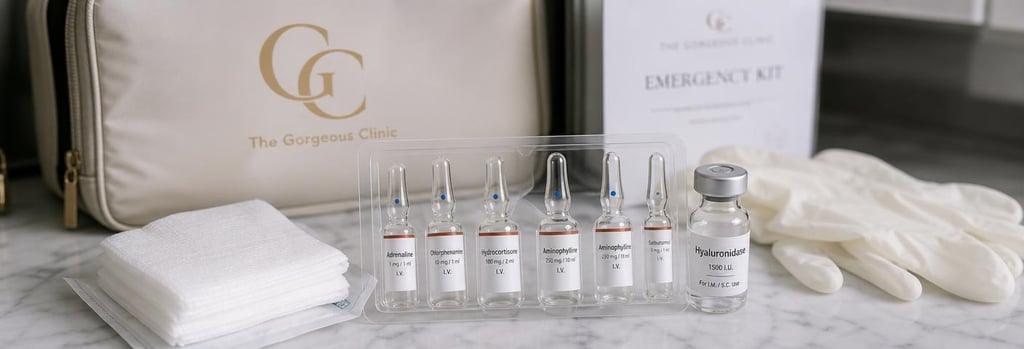
Vascular occlusion occurs when filler unintentionally blocks a blood vessel. It is rare, but it requires immediate recognition and treatment to prevent tissue damage. Signs can include sudden severe pain, blanching or a mottled skin change in the treated area.
A competent injector knows facial anatomy well and uses techniques to reduce risk, such as slow injections, correct cannula or needle choice and small volumes. Clinics should offer urgent review and have hyaluronidase and emergency protocols in place.
A competent injector knows facial anatomy well and uses techniques to reduce risk, such as slow injections, correct cannula or needle choice and small volumes. Clinics should offer urgent review and have hyaluronidase and emergency protocols in place.

Choosing a Practitioner and What To Expect
Practitioner experience, anatomy knowledge and safe processes matter more than price. Ask about formal training, complication management and whether the clinic stocks hyaluronidase. A clear consultation should include facial assessment, discussion of realistic outcomes and documented consent.
We have extensive clinical experience, more than 900 five-star reviews at the time of writing, and clients who travel to us from outside the region. That experience helps us spot subtle anatomy differences and manage complications. If you are considering treatment, a consultation is the safest place to start.
We have extensive clinical experience, more than 900 five-star reviews at the time of writing, and clients who travel to us from outside the region. That experience helps us spot subtle anatomy differences and manage complications. If you are considering treatment, a consultation is the safest place to start.