Collagen Banking: Start Preventative Care in Your 20s
Jenna Hickson
5 minute read
Back to blog
You have noticed the first fine lines, the skin feels a touch drier, or you worry that waiting will mean deeper changes later. Collagen banking is the practical idea of protecting and slowly rebuilding the skin scaffold now, so ageing happens more softly over decades rather than abruptly. It is not about aggressive early intervention, it is about sensible daily care, selective clinic treatments and maintenance plans that match your goals. This piece explains what collagen banking means in real terms and how to choose safe, evidence-based options.

Collagen Banking: Start Preventative Care in Your 20s, What collagen banking means
Collagen banking is a simple idea: shift from waiting until lines are deep to protecting and slowly repairing the skin framework earlier. It focuses on modest, regular measures that reduce cumulative damage and encourage collagen and elastin production over years. Good daily habits, targeted in-clinic treatments and sensible maintenance are the three pillars.
This is not about dramatic procedures for very young faces. It is about measured steps that fit your life: sun protection, topical retinoids when appropriate, occasional professional resurfacing or collagen-stimulating sessions, and periodic maintenance such as skin boosters. The overall aim is softer ageing, not a frozen or over-treated look.
This is not about dramatic procedures for very young faces. It is about measured steps that fit your life: sun protection, topical retinoids when appropriate, occasional professional resurfacing or collagen-stimulating sessions, and periodic maintenance such as skin boosters. The overall aim is softer ageing, not a frozen or over-treated look.
Evidence-based treatment options
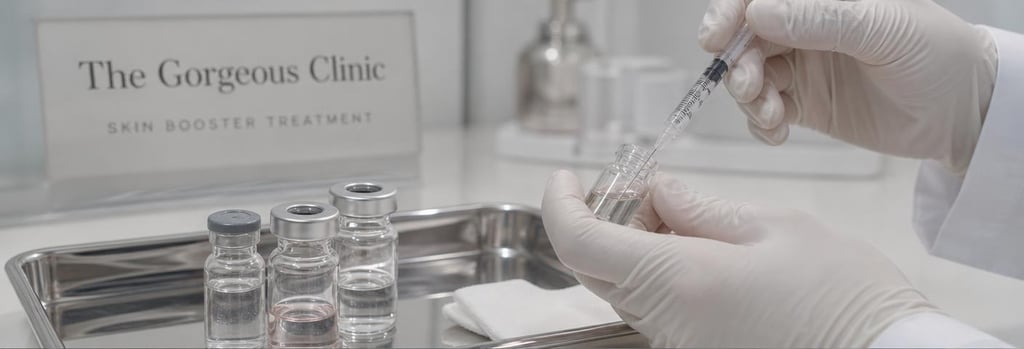
Not every treatment marketed as \"collagen-stimulating\" has the same evidence. Practical choices include topical retinoids for cellular turnover, professional chemical peels at appropriate strengths, microneedling or collagen induction therapy, and injectable polynucleotides or skin boosters that hydrate and support matrix repair. Each has pros and cons you should discuss with a clinician.
Products such as polynucleotides and controlled microneedling have peer-reviewed support for stimulating dermal remodelling when used correctly. Skin boosters provide hydration and a modest scaffold benefit without adding bulk. For someone in their 20s the pathway is often topical care plus infrequent in-clinic procedures timed to need rather than age alone.
Products such as polynucleotides and controlled microneedling have peer-reviewed support for stimulating dermal remodelling when used correctly. Skin boosters provide hydration and a modest scaffold benefit without adding bulk. For someone in their 20s the pathway is often topical care plus infrequent in-clinic procedures timed to need rather than age alone.
Who may benefit and when
People with early signs such as patchy dryness, early smile lines, or a family history of deep lines may choose to start preventive measures in their late 20s. Lifestyle and sun exposure matter more than calendar age. Someone who has heavy sun exposure or smoking history will usually gain more from early protection and selective treatments than someone with low lifetime UV exposure.
A cautious, staged approach suits many clients: optimise sun care and topical skincare first, then add in-clinic treatments if needed. For maintenance-minded patients who want gradual, natural change, collagen banking can make ageing smoother while keeping treatment conservative.
A cautious, staged approach suits many clients: optimise sun care and topical skincare first, then add in-clinic treatments if needed. For maintenance-minded patients who want gradual, natural change, collagen banking can make ageing smoother while keeping treatment conservative.

Risks, realistic outcomes and timing
No treatment is risk-free, and early preventative work should avoid unnecessary procedures. Realistic outcomes are modest: improved hydration, smoother fine lines, better texture and a slower progression of deeper wrinkles. Expect results to develop gradually over weeks to months for remodelling treatments, and to need maintenance sessions to preserve benefit.
Timing is personal. Intervals vary by treatment: topical programmes are ongoing, microneedling or polynucleotide courses are often 3 to 6 monthly initially, and skin boosters are commonly repeated annually or biannually depending on response. A careful consultation clarifies safety, likely benefit and maintenance planning.
Timing is personal. Intervals vary by treatment: topical programmes are ongoing, microneedling or polynucleotide courses are often 3 to 6 monthly initially, and skin boosters are commonly repeated annually or biannually depending on response. A careful consultation clarifies safety, likely benefit and maintenance planning.

Choosing safe care and next steps
Choose clinics that explain the realistic limits of early interventions and that recommend a stepwise plan. Ask about practitioner training, complication protocols and why a chosen treatment suits your skin rather than internet trends. A good consultation will cover sun protection, topical options and a sensible in-clinic timetable.
If you want a single place to start, a skin analysis and discussion about incremental options often helps. For people considering injectable skin boosters or induction therapies, The Gorgeous Clinic can talk through options and timing, and we offer consultations by phone, WhatsApp or in clinic. If you are considering treatment, a consultation is the safest place to start.
If you want a single place to start, a skin analysis and discussion about incremental options often helps. For people considering injectable skin boosters or induction therapies, The Gorgeous Clinic can talk through options and timing, and we offer consultations by phone, WhatsApp or in clinic. If you are considering treatment, a consultation is the safest place to start.
Ready to connect?
All our consultations come with no obligation to book, and are pressure-free and education focused.
Book a Free Consultation
Book a Treatment
Whatsapp Message us