Are Cosmetic Treatments Ever Funded by the NHS?
Jenna Hickson
5 minute read
Back to blog
Worried whether a change you want is something the NHS will pay for, or whether you will need to go private? Many people are surprised to learn there is a difference between cosmetic preference and medical need. The NHS sometimes funds procedures that improve function or treat serious reconstructive need, but it rarely pays for purely cosmetic choices. Here is a straightforward, plain explanation of how those decisions are made and why honest consultation matters when you are thinking about private aesthetic treatment.

Are Cosmetic Treatments Ever Funded by the NHS?, What the NHS Will Consider
The NHS does sometimes fund procedures where there is a clear clinical reason beyond appearance. Typical examples include reconstructive surgery after cancer or trauma, repair of congenital problems such as cleft lip and palate, or operations needed to restore bodily function. These are judged on clinical need, and whether the procedure is the most appropriate way to treat symptoms. Decisions are made using clinical guidelines, local commissioning policies and evidence of benefit to health or function. [1]
Funding can also be considered when a physical condition causes substantial psychological distress, but the bar is high. A referral usually needs to show documented medical or psychiatric assessment to support that distress, and outcomes must be predictable and clinically justified. This is different to wanting to look fresher or simply prefer a different appearance.
Funding can also be considered when a physical condition causes substantial psychological distress, but the bar is high. A referral usually needs to show documented medical or psychiatric assessment to support that distress, and outcomes must be predictable and clinically justified. This is different to wanting to look fresher or simply prefer a different appearance.
Cosmetic Preference Versus Medical Need
Cosmetic preference means a person would like to change an area of their appearance without an underlying health problem. These are almost always private treatments. The NHS stance is that limited public funds should be used for interventions with a demonstrable health benefit, not for elective aesthetic improvements. Examples of private-only requests include elective lip fillers, anti-wrinkle injections for a purely cosmetic purpose, or body contouring where weight is stable and function is normal.
Medical need includes functional problems that affect breathing, vision, movement or wound healing. When a procedure clearly restores or protects health, it sits in a different category to cosmetic preference. That distinction is why clinicians and commissioning teams focus on objective evidence: tests, treatment history and documented impact on day-to-day living.
Medical need includes functional problems that affect breathing, vision, movement or wound healing. When a procedure clearly restores or protects health, it sits in a different category to cosmetic preference. That distinction is why clinicians and commissioning teams focus on objective evidence: tests, treatment history and documented impact on day-to-day living.
Psychological Distress And Reconstructive Need
Psychological distress caused by appearance sits in a grey area. Where distress is severe, persistent and linked to a diagnosable condition, multidisciplinary assessment may be needed before any surgical funding decision. Commissioners will want evidence that non-surgical mental health support has been offered and that surgery is likely to give measurable health benefit.
Reconstructive need is different. If an appearance change follows disease, injury or a congenital problem and that change impairs daily life or mental health in a predictable way, reconstructive surgery may be funded. Even then, local NHS policies vary and complex cases are considered individually, often with input from plastic surgeons, psychiatrists and clinical commissioning teams. [1] [2]
Reconstructive need is different. If an appearance change follows disease, injury or a congenital problem and that change impairs daily life or mental health in a predictable way, reconstructive surgery may be funded. Even then, local NHS policies vary and complex cases are considered individually, often with input from plastic surgeons, psychiatrists and clinical commissioning teams. [1] [2]
Why Most Aesthetic Treatments Are Private
Private clinics provide treatments that are elective, cosmetic or chosen for personal confidence. Private funding allows access to a wide range of options, choice of practitioner and scheduling that the NHS cannot routinely offer. It also enables honest discussion about expectations, realistic outcomes and maintenance, which are central to good aesthetic care.
Choosing private care does not mean lower safety. Look for qualified clinicians, clear consent, documented aftercare and a clinic that will decline treatment if it is inappropriate. In the private sector you can also discuss non-surgical options, from injectable moisturisers to thread lifts, and agree a plan matched to your goals and lifestyle. For example we offer anti-wrinkle injections and thread lift expertise; a careful consultation helps decide what suits your face best [[LINK:anti-wrinkle-injections|anti-wrinkle injections]].
Choosing private care does not mean lower safety. Look for qualified clinicians, clear consent, documented aftercare and a clinic that will decline treatment if it is inappropriate. In the private sector you can also discuss non-surgical options, from injectable moisturisers to thread lifts, and agree a plan matched to your goals and lifestyle. For example we offer anti-wrinkle injections and thread lift expertise; a careful consultation helps decide what suits your face best [[LINK:anti-wrinkle-injections|anti-wrinkle injections]].
What To Expect From An Honest Consultation
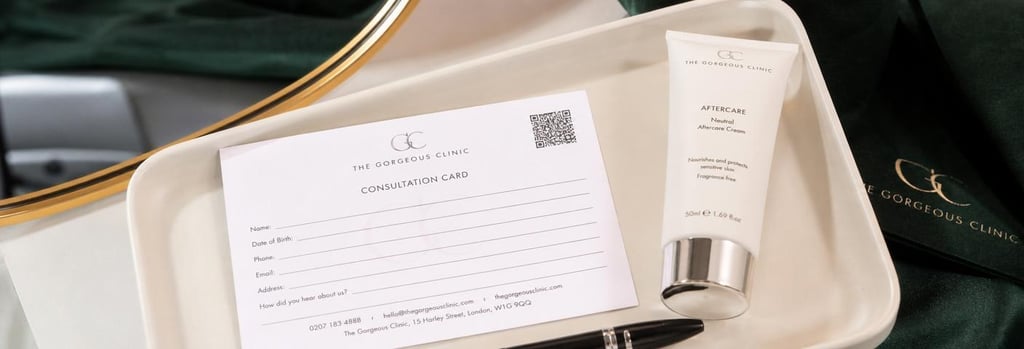
A proper consultation separates what is realistic from what is wishful thinking. Expect a clinician to take your medical history, discuss function and mental health if relevant, and set out what treatment can and cannot achieve. They should explain risks, likely recovery, costs and follow-up. If NHS funding were relevant, a clinician would explain the difference between funded reconstructive pathways and private options, without promising a route to NHS approval.
If you are thinking about treatment, choose a clinic that listens, asks clear questions and shows evidence of qualifications and outcomes. If you are considering treatment, a consultation is the safest place to start. The Gorgeous Clinic is available for confidential advice by WhatsApp on 01253 928029 or via direct booking if you prefer a face-to-face chat.
If you are thinking about treatment, choose a clinic that listens, asks clear questions and shows evidence of qualifications and outcomes. If you are considering treatment, a consultation is the safest place to start. The Gorgeous Clinic is available for confidential advice by WhatsApp on 01253 928029 or via direct booking if you prefer a face-to-face chat.
Ready to connect?
All our consultations come with no obligation to book, and are pressure-free and education focused.
Book a Free Consultation
Book a Treatment
Whatsapp Message us