Uneven Lip Swelling After Filler: When To Worry
6 minute read
Back to blog
You had lip filler and now one side looks puffier than the other. That can be unsettling, especially if you hoped for a subtle, balanced result. Uneven swelling is a common short-term effect, but sometimes it points to something that needs review. This piece explains typical timelines, simple self-care, signs that need prompt attention, and what your clinician will check at review appointments.
Uneven Lip Swelling After Filler: When To Worry, Why lips swell and when it’s normal
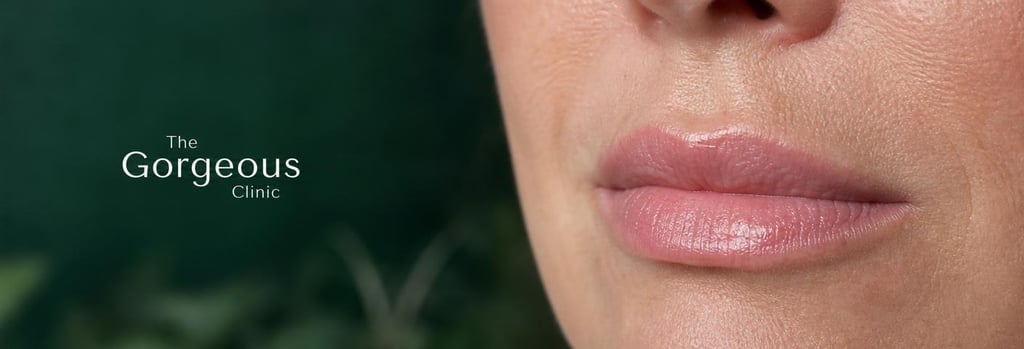
Swelling after lip filler is the rule rather than the exception. Injecting a gel and the small amount of trauma from a needle or cannula triggers local inflammation. That inflammation and mild fluid retention usually peak in 24 to 72 hours and then settle over one to two weeks. Some people also get more swelling on one side because of natural facial asymmetry, how the filler was placed, or a mild localised reaction to the injection site.
If your swelling is reducing each day and you have no severe pain, spreading redness, fever or hard nodules, this is usually reassuring. Keep ice over the area for short periods, avoid vigorous exercise for 24 to 48 hours and sleep propped up the first night to help settle it.
If your swelling is reducing each day and you have no severe pain, spreading redness, fever or hard nodules, this is usually reassuring. Keep ice over the area for short periods, avoid vigorous exercise for 24 to 48 hours and sleep propped up the first night to help settle it.
When uneven swelling needs review
Uneven swelling becomes concerning when it does not gradually improve, is getting worse after 72 hours, or is associated with other worrying signs. These include increasing pain, spreading redness, fever, new lumps that are hard rather than soft, or any ulceration of the skin. Such features can suggest infection, vascular compromise or an inflammatory nodule, which need prompt assessment.
If the lip on one side is pale or dusky, or you have blanching and intense pain immediately after injection, seek review urgently. Vascular problems are rare but time-sensitive. If in doubt, contact your treating clinic or a medically qualified service for assessment within 24 hours.
If the lip on one side is pale or dusky, or you have blanching and intense pain immediately after injection, seek review urgently. Vascular problems are rare but time-sensitive. If in doubt, contact your treating clinic or a medically qualified service for assessment within 24 hours.
Practical self-care you can try safely
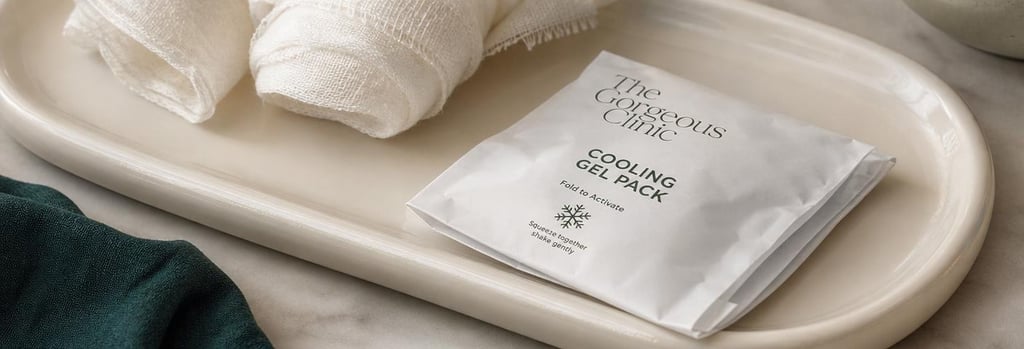
For mild to moderate uneven swelling, conservative measures often help. Apply a cold compress for 10 minutes every hour on day one, then reduce frequency as swelling eases. Avoid hot drinks, alcohol and heavy exercise for 24 to 48 hours as these increase blood flow and can worsen swelling.
Gently massage is not usually recommended in the first 72 hours unless your practitioner has advised it. Over-the-counter paracetamol can help with discomfort. If you take anticoagulant medicines or have known clotting issues, check with your prescriber before using NSAIDs. If swelling is persistent after two weeks or you notice firm lumps, book a clinical review.
Gently massage is not usually recommended in the first 72 hours unless your practitioner has advised it. Over-the-counter paracetamol can help with discomfort. If you take anticoagulant medicines or have known clotting issues, check with your prescriber before using NSAIDs. If swelling is persistent after two weeks or you notice firm lumps, book a clinical review.
What your clinician will check at review
At a review your clinician will ask about timing, symptoms and any treatments you have already tried. They will examine the lips for soft versus hard swelling, signs of infection, blanching or livedo, and check oral tissue and nearby skin. Photographs and gentle palpation help decide whether simple monitoring, steroid injection, or dissolving some product with hyaluronidase is appropriate.
If there are signs of possible vascular compromise, prompt action such as hyaluronidase and other supportive measures may be started. The clinician will explain risks and expected recovery, and agree a clear follow-up plan. If you are unsure who to contact, a medically led clinic is the right place to start. If you would like advice on what would suit your face, The Gorgeous Clinic can talk you through your options.
If there are signs of possible vascular compromise, prompt action such as hyaluronidase and other supportive measures may be started. The clinician will explain risks and expected recovery, and agree a clear follow-up plan. If you are unsure who to contact, a medically led clinic is the right place to start. If you would like advice on what would suit your face, The Gorgeous Clinic can talk you through your options.

Choosing the right clinic and next steps
If you had filler elsewhere and are anxious about uneven swelling, seek review from a clinic with medical oversight. A prescriber with emergency protocols, hyaluronidase availability and clear follow-up is important. Local clinics across the Fylde Coast and Lancashire should follow MHRA guidance and offer timely assessment where needed.[1]
For longer-term concerns such as persistent lumps or asymmetry once swelling has settled, a measured plan is best. That may include dissolving some filler, gradual revision, or complementary treatments such as anti-wrinkle injections to rebalance movement [[LINK:anti-wrinkle-injections|anti-wrinkle injections]]. If you are considering treatment, a consultation is the safest place to start.
For longer-term concerns such as persistent lumps or asymmetry once swelling has settled, a measured plan is best. That may include dissolving some filler, gradual revision, or complementary treatments such as anti-wrinkle injections to rebalance movement [[LINK:anti-wrinkle-injections|anti-wrinkle injections]]. If you are considering treatment, a consultation is the safest place to start.
Ready to connect?
All our consultations come with no obligation to book, and are pressure-free and education focused.
Book a Free Consultation
Book a Treatment
Whatsapp Message us