Skin Boosters in Blackpool: Hydration, Glow and Skin Quality
Clinical Director John
5 minute read
Back to blog
You want fresher, plumper-looking skin without obvious filler bumps or an overdone look. Injectable skin boosters are often described as “injectable moisturisers”; they improve skin hydration, texture and glow rather than adding volume. Many people in their 40s and above notice crepey cheeks, dullness and fine lines. This piece explains what skin boosters can reasonably do, how they differ from Profhilo and polynucleotides, typical treatment areas and course, and the sort of results and downtime to expect.
Skin Boosters in Blackpool: Hydration, Glow and Skin Quality, What are skin boosters?
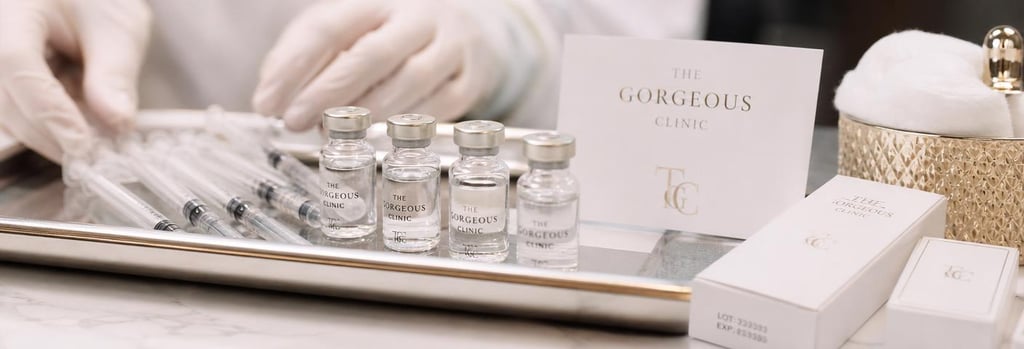
Skin boosters are microinjections of low‑molecular hyaluronic acid placed into the dermis to improve hydration and skin quality. They are not dermal fillers used for structure or volume. Instead, the aim is smoother texture, reduced crepiness and a subtle boost to radiance. Treatments use many small injections across the face, neck or hands to distribute product evenly.
Most people notice improved skin feel and a fresher look rather than dramatic change in shape. Skin boosters can complement other treatments such as light chemical peels or gentle microneedling, but they work differently from fillers which lift and sculpt.
Most people notice improved skin feel and a fresher look rather than dramatic change in shape. Skin boosters can complement other treatments such as light chemical peels or gentle microneedling, but they work differently from fillers which lift and sculpt.
Which areas can be treated?
Common areas are the cheeks, perioral zone, under-eye hollows (carefully), neck and the backs of the hands. The goal is to improve skin quality where thinning or crepey texture shows. Practitioners place many tiny injections across the target area for an even effect.
Not every area suits every product. For example, delicate under-eye skin needs an experienced injector and often a specific technique to avoid puffiness. The neck and hands can respond well, but these areas sometimes need more sessions than the face. A consultation clarifies where skin boosters will help and which areas to avoid.
Not every area suits every product. For example, delicate under-eye skin needs an experienced injector and often a specific technique to avoid puffiness. The neck and hands can respond well, but these areas sometimes need more sessions than the face. A consultation clarifies where skin boosters will help and which areas to avoid.
Treatment course and timeline
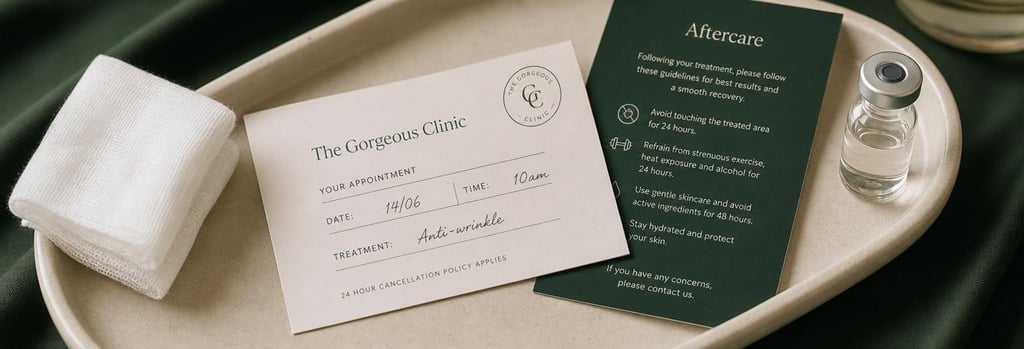
A typical course is two to three sessions spaced four weeks apart, then maintenance every six to twelve months depending on skin and lifestyle. Each appointment usually takes 30 to 45 minutes, with local anaesthetic offered or mixed into the product to reduce discomfort.
Results develop gradually. Many clients see subtle improvement in hydration and glow within a week, with fuller improvement after the second treatment. Peak benefits are usually noticeable around six to eight weeks after a full course. Mild redness, swelling or tiny bruises are the most common short-term effects and usually settle in a few days.
Results develop gradually. Many clients see subtle improvement in hydration and glow within a week, with fuller improvement after the second treatment. Peak benefits are usually noticeable around six to eight weeks after a full course. Mild redness, swelling or tiny bruises are the most common short-term effects and usually settle in a few days.
How skin boosters compare
Profhilo is sometimes called a skin booster, but it is technically different. Profhilo uses a high‑concentration, bio‑remodelling hyaluronic acid formulation placed to encourage tissue hydration and mild tightening. Traditional skin boosters use cross‑linked HA at lower volumes to sit in the dermis and hydrate locally. Polynucleotide products, from a different class, aim to stimulate cellular repair and collagen production rather than supplying HA directly.
Which is best depends on your skin and goals. Profhilo can suit very lax, thin skin that needs a remodel. Haut boosters suit crepey skin needing targeted hydration. Polynucleotides may be chosen for cellular rejuvenation. A clinician will advise which product type matches your concerns.
Which is best depends on your skin and goals. Profhilo can suit very lax, thin skin that needs a remodel. Haut boosters suit crepey skin needing targeted hydration. Polynucleotides may be chosen for cellular rejuvenation. A clinician will advise which product type matches your concerns.
Who benefits and safety points
Skin boosters suit people noticing dullness, fine lines, crepey texture or patchy dryness who want a subtle, skin-first improvement. They often appeal to clients in their 40s, 50s and 60s who prefer refreshed skin without adding volume. Good candidates are generally non-smokers or those willing to manage sun exposure and skincare for longer-lasting results.
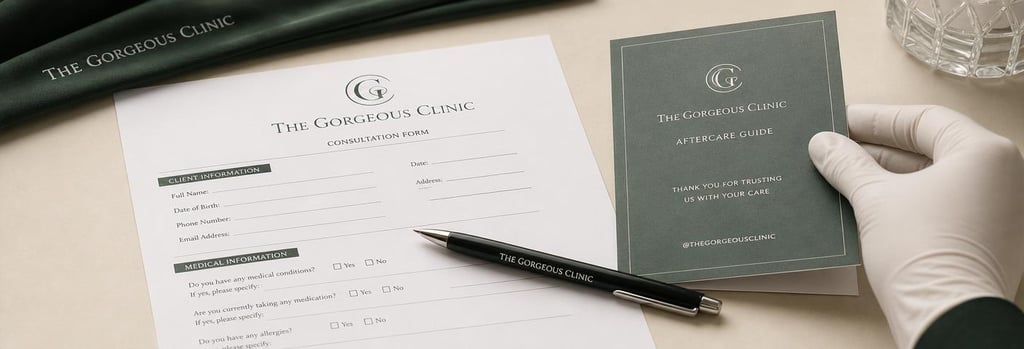
Safety depends on injector skill, appropriate product choice and aftercare. Always choose a clinician who explains risks, reviews medical history and offers a realistic expectation of results. If you are considering treatment, a consultation is the safest place to start.
Safety depends on injector skill, appropriate product choice and aftercare. Always choose a clinician who explains risks, reviews medical history and offers a realistic expectation of results. If you are considering treatment, a consultation is the safest place to start.