PRP Hair Restoration: Does It Help Thinning Hair?
Clinical Director John
5 minute read
Back to blog
If your hair is thinning and you want a treatment that uses your own blood rather than medicines or surgery, PRP may sound appealing. Platelet-rich plasma is a regenerative option that can improve the scalp environment and encourage thicker-looking hair for some people. It is not a guaranteed cure, and results are gradual. Read on to understand who is most likely to benefit, what a typical course looks like, and why medical assessment and realistic expectations matter.
PRP Hair Restoration: Does It Help Thinning Hair?, What is PRP?
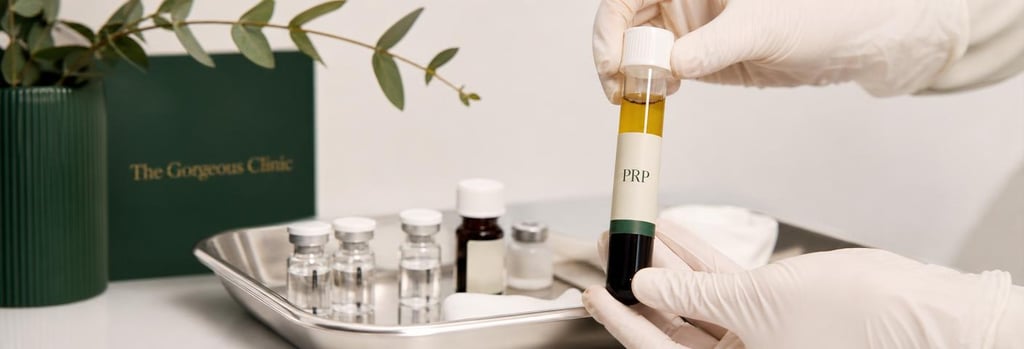
Platelet-rich plasma, or PRP, is blood from you that has been spun in a centrifuge to concentrate platelets and growth factors. These platelets are then injected back into the scalp to create a local environment that supports follicle health. The idea is to use the body’s own repair signals to reduce thinning and improve hair thickness.
PRP is described as regenerative rather than restorative: it can support weakened follicles, slow shedding and increase hair calibre in suitable people. It is not a one-time cure for advanced baldness, and outcomes depend on the cause of hair loss and the condition of the scalp.
PRP is described as regenerative rather than restorative: it can support weakened follicles, slow shedding and increase hair calibre in suitable people. It is not a one-time cure for advanced baldness, and outcomes depend on the cause of hair loss and the condition of the scalp.
Who may be suitable?
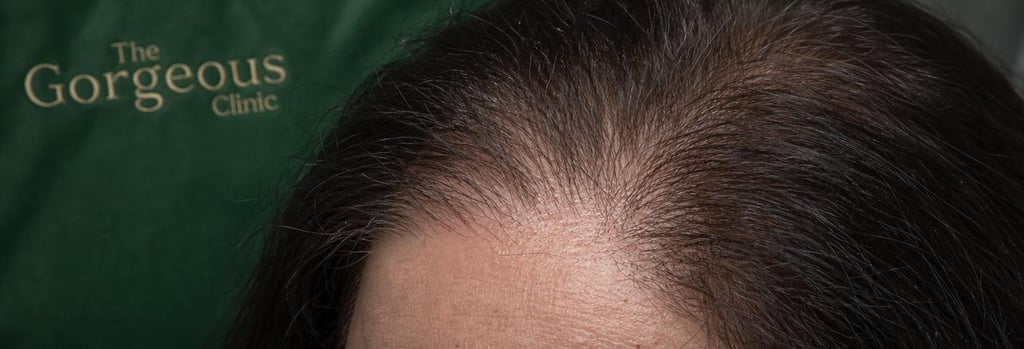
PRP tends to work best for people with early to moderate thinning rather than long-standing, extensive baldness. Common suitable candidates include those with pattern hair loss who still have some thinning hair, or people experiencing persistent shedding where medical causes have been ruled out.
Before treatment, a clinician should check for underlying causes such as iron deficiency, thyroid problems, scalp inflammation or medication-related shedding. Addressing those medical issues is often the first step and may be enough on its own. A realistic assessment of scalp condition and hair density helps set sensible expectations.
Before treatment, a clinician should check for underlying causes such as iron deficiency, thyroid problems, scalp inflammation or medication-related shedding. Addressing those medical issues is often the first step and may be enough on its own. A realistic assessment of scalp condition and hair density helps set sensible expectations.
What happens in treatment?
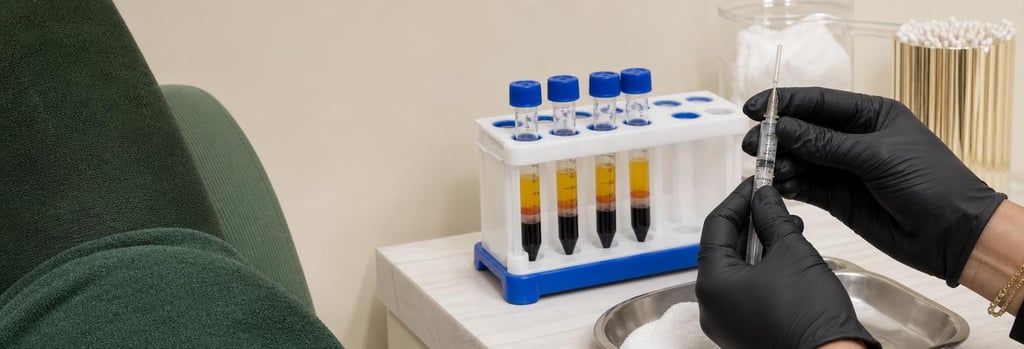
A PRP session usually begins with a quick health check and consent conversation. A small blood sample is taken from your arm and placed in a centrifuge to separate platelets. The practitioner then injects the concentrated PRP into the thinning scalp using fine needles or a microneedling device. The procedure typically takes 30 to 60 minutes.
Initial courses commonly involve three sessions spaced four to six weeks apart, followed by a review at three to six months. Maintenance treatments may be recommended every 6 to 12 months depending on response. Discomfort is usually mild and brief, and aftercare focuses on avoiding harsh scalp products and heavy exercise for 24 to 48 hours.
Initial courses commonly involve three sessions spaced four to six weeks apart, followed by a review at three to six months. Maintenance treatments may be recommended every 6 to 12 months depending on response. Discomfort is usually mild and brief, and aftercare focuses on avoiding harsh scalp products and heavy exercise for 24 to 48 hours.
When do results show?
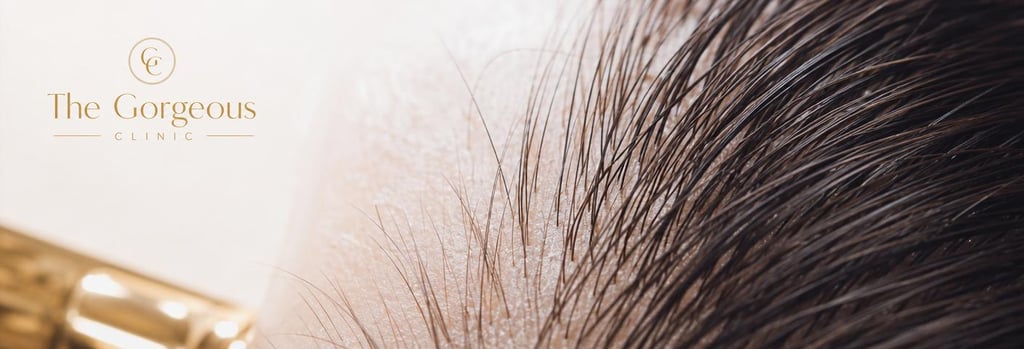
Results from PRP are gradual. Many people notice reduced shedding within 2 to 4 months and modest increases in hair thickness from around 3 to 6 months. Peak improvement is usually seen at 6 to 12 months after starting a course, and individual responses vary.
If there is no visible improvement after a full initial course and review, clinicians will discuss alternative or adjunctive options such as topical minoxidil, oral treatments where appropriate, low-level laser therapy or hair transplant referral for more advanced loss. PRP can be combined with other treatments, but it works best when started before extensive follicle miniaturisation occurs.
If there is no visible improvement after a full initial course and review, clinicians will discuss alternative or adjunctive options such as topical minoxidil, oral treatments where appropriate, low-level laser therapy or hair transplant referral for more advanced loss. PRP can be combined with other treatments, but it works best when started before extensive follicle miniaturisation occurs.
Choosing a clinic
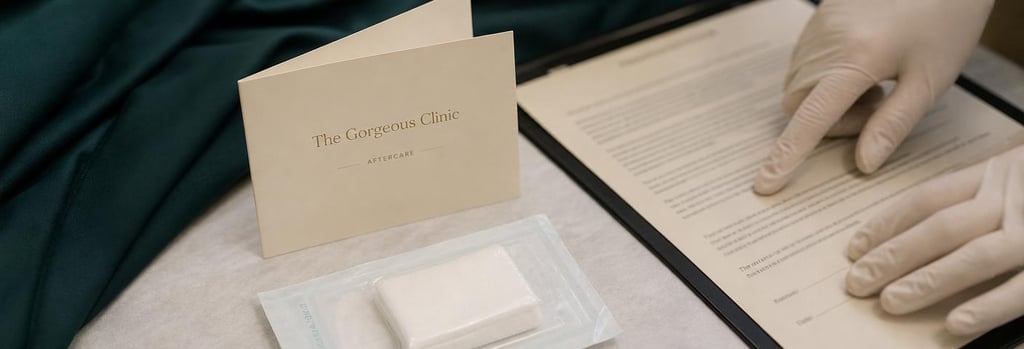
Choose a clinic where a medically qualified practitioner assesses you, checks for medical causes and explains realistic outcomes. Ask about the PRP system they use, how platelets are concentrated, the practitioner’s training and the clinic’s infection-control standards. Safety and measurement matter more than low price.
At The Gorgeous Clinic we offer a free consultation to review medical history and scalp condition, then explain whether PRP is a sensible option for you. If you are considering treatment, a consultation is the safest place to start.
At The Gorgeous Clinic we offer a free consultation to review medical history and scalp condition, then explain whether PRP is a sensible option for you. If you are considering treatment, a consultation is the safest place to start.