Polynucleotides: Gentle Under-Eye Rejuvenation in Blackpool
Clinical Director John
5 minute read
Back to blog
You want fresher, less tired-looking eyes, but you are wary of heavy fillers or long downtime. Polynucleotides are an injectable approach that aims to improve skin quality rather than add volume. They’re used in delicate areas, particularly under the eyes, and can help with fine lines, thin crepey skin and general dullness. Here we explain what they are, how the course of treatment usually looks, who might benefit, and how polynucleotides differ from fillers or skin boosters. We also explain why, at our Blackpool clinic, we tend to reserve them mainly for the under-eye area.
Polynucleotides: Gentle Under-Eye Rejuvenation in Blackpool, What are polynucleotides?
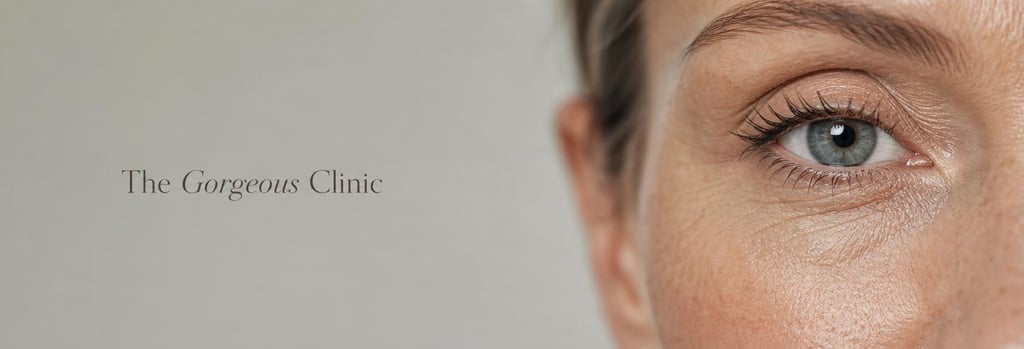
Polynucleotides are injectable preparations of short DNA fragments, often called PDRN, derived from controlled sources. They act differently from hyaluronic acid filler. Rather than adding volume, they aim to support the skin’s repair processes and improve quality. This is done by modulating local cells and promoting a healthier dermal environment, which can mean better tone, smoother texture and improved resilience.
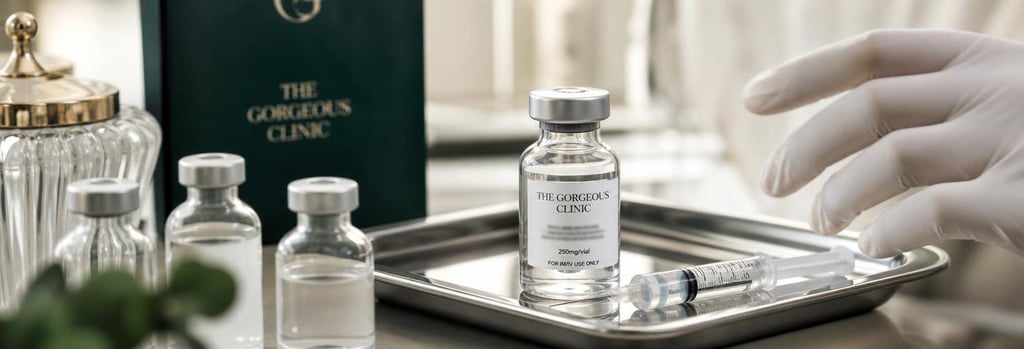
Clinical formulations vary. We use a product that contains 20 mg per ml PDRN, one of the higher concentrations available. That higher concentration can help when treating very thin, crepey under-eye skin, where structural volume is not the primary issue. Results are subtle and gradual, not immediate sculpting.
Clinical formulations vary. We use a product that contains 20 mg per ml PDRN, one of the higher concentrations available. That higher concentration can help when treating very thin, crepey under-eye skin, where structural volume is not the primary issue. Results are subtle and gradual, not immediate sculpting.
How they differ from fillers and skin boosters
Fillers are designed to restore or add volume by physically occupying space under the skin. Skin boosters (hyaluronic-based) hydrate and give a dewy appearance by holding water in the dermis. Polynucleotides are neither. They are regenerative-support substances that aim to improve the skin’s own structure over time.
That difference matters when choosing treatment. If hollowness or lost volume under the eye is the main concern, a targeted filler will usually be more effective. If the skin itself is thin, crepey or uneven in tone, polynucleotides can be a useful option, especially for clients who want low downtime and subtle, natural-looking improvement.
That difference matters when choosing treatment. If hollowness or lost volume under the eye is the main concern, a targeted filler will usually be more effective. If the skin itself is thin, crepey or uneven in tone, polynucleotides can be a useful option, especially for clients who want low downtime and subtle, natural-looking improvement.
Where we use them and why
In our Blackpool clinic we most commonly use polynucleotides under the eyes. The periorbital skin is thin and responds well to treatments that promote repair rather than bulk. Polynucleotides are particularly useful for brightening lids, improving crepey texture and reducing micro-lines with low downtime.
For the rest of the face, neck or décolletage we tend to favour other options that produce stronger tightening or volumising effects. Those alternatives can deliver faster or more dramatic structural change when needed. Polynucleotides remain an option for clients who prefer a gentle, gradual improvement or who want to avoid filler in certain areas.
For the rest of the face, neck or décolletage we tend to favour other options that produce stronger tightening or volumising effects. Those alternatives can deliver faster or more dramatic structural change when needed. Polynucleotides remain an option for clients who prefer a gentle, gradual improvement or who want to avoid filler in certain areas.
Treatment course and what to expect
A typical course is three sessions spaced around two to four weeks apart, followed by maintenance once or twice a year depending on response. Each session takes around 20 to 40 minutes including consultation and aftercare. Immediate effects may be limited; improvements tend to appear over weeks as the skin’s quality changes.
Downtime is usually minimal. Mild swelling, tiny pinpoint bruises or temporary redness can occur around the injection sites. We give clear aftercare advice to reduce bruising and support healing. If you take medications that increase bleeding risk, tell us at consultation so we can advise appropriately.
Downtime is usually minimal. Mild swelling, tiny pinpoint bruises or temporary redness can occur around the injection sites. We give clear aftercare advice to reduce bruising and support healing. If you take medications that increase bleeding risk, tell us at consultation so we can advise appropriately.

Who may suit them and safety notes
Polynucleotides suit clients whose main issue is skin quality rather than lost volume. They are often chosen by people in their 30s to 60s who want subtle rejuvenation, or by anyone seeking an option with little downtime. They are not ideal if you need volume correction or dramatic lifting.
Safety depends on proper assessment and technique. A consultation will check medical history, medications and past procedures. We do not treat active skin infections, certain autoimmune conditions or unstable medical issues. If you are considering treatment, a consultation is the safest place to start. We can discuss whether polynucleotides, a filler, or another treatment is better for your goals.
Safety depends on proper assessment and technique. A consultation will check medical history, medications and past procedures. We do not treat active skin infections, certain autoimmune conditions or unstable medical issues. If you are considering treatment, a consultation is the safest place to start. We can discuss whether polynucleotides, a filler, or another treatment is better for your goals.