Non-Surgical Rhinoplasty: What It Can and Can’t Change
Nurse Susana Gonzales
5 minute read
Back to blog
You want a straighter, smoother or more balanced profile but you are wary of surgery and loud, overdone results. Non-surgical rhinoplasty, often called nose filler, can refine small bumps, smooth a dip, raise a low bridge and improve profile balance with minimal downtime. It is not a substitute for rhinoplasty when there are major structural issues, breathing problems or large size reductions to be made. Read on for what this treatment can realistically change, the safety checklist we use in clinic, and why experience matters when treating the nose.
Non-Surgical Rhinoplasty: What It Can and Can’t Change, What Nose Filler Can Do
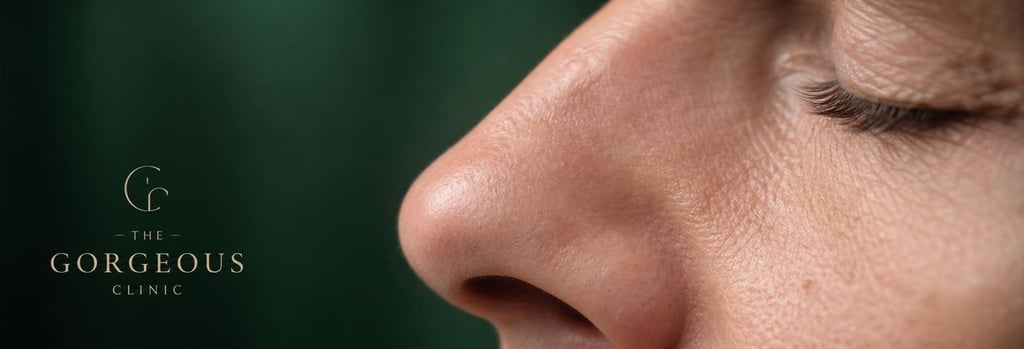
Nose filler uses small amounts of hyaluronic acid to add volume in targeted places. It works best for smoothing small bumps on the bridge, lifting a shallow bridge, filling a small side dip and improving profile balance. Subtle tip projection and minor asymmetric refinements are also achievable when done carefully. These changes can create the visual impression of a straighter, more harmonious nose without removing tissue.
Results are immediate. Most patients notice improved balance in photos and profile views right away, with minor settling over two weeks as swelling reduces. For many people this is a low-downtime alternative to surgery when the issue is cosmetic and not structural.
Results are immediate. Most patients notice improved balance in photos and profile views right away, with minor settling over two weeks as swelling reduces. For many people this is a low-downtime alternative to surgery when the issue is cosmetic and not structural.
What It Cannot Fix
Nose filler cannot make the nose smaller. It cannot correct major or complex asymmetry caused by bone or cartilage, and it cannot reliably fix breathing problems. Large dorsal humps that need removal, very bulbous tips, congenital deformities or significant drooping that require cartilage reshaping are best treated with rhinoplasty by a facial plastic surgeon.
If you expect a dramatic size reduction, improved nasal airways or permanent structural change, filler is not the right choice. During consultation we assess whether the issue is cosmetic only, or if surgical referral would give a safer, longer-lasting solution.
If you expect a dramatic size reduction, improved nasal airways or permanent structural change, filler is not the right choice. During consultation we assess whether the issue is cosmetic only, or if surgical referral would give a safer, longer-lasting solution.
Safety Considerations
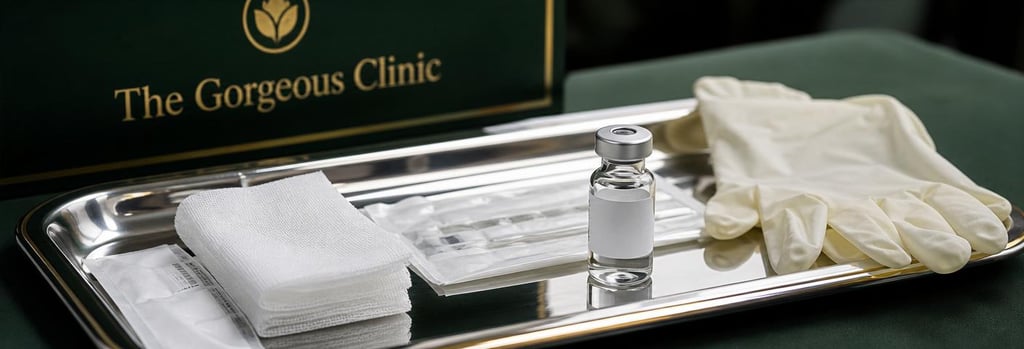
The nose is a higher-risk area for filler because of its vascular anatomy. Rare but serious complications include skin necrosis and, very rarely, vision problems if filler enters certain arteries. For this reason, safe nasal filler requires a practitioner skilled in anatomy, using small volumes, slow injection technique and sometimes cannulas rather than needles. Practitioners should have emergency protocols and hyaluronidase available to dissolve filler if needed. [1]
A careful assessment at consultation reduces risk. You should tell your clinician about previous nasal surgery, skin conditions, blood-clotting issues or use of blood-thinning medications. If any red flags appear, referral for surgery or a different plan will be recommended. [2]
A careful assessment at consultation reduces risk. You should tell your clinician about previous nasal surgery, skin conditions, blood-clotting issues or use of blood-thinning medications. If any red flags appear, referral for surgery or a different plan will be recommended. [2]
Consultation And Treatment Process
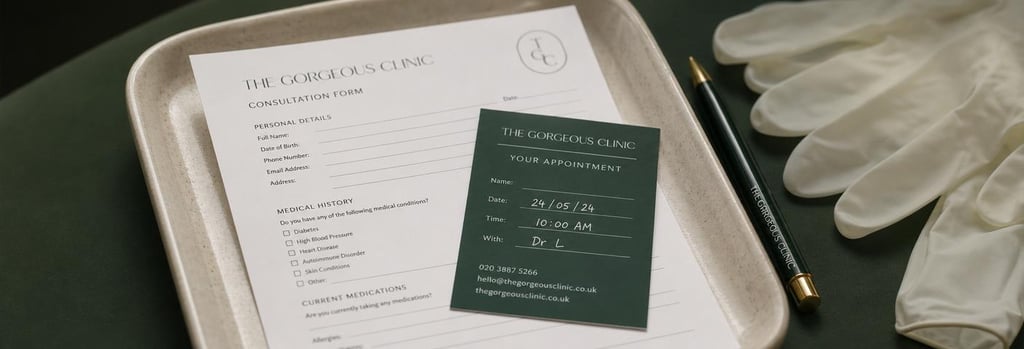
At consultation we look at your face in profile and three-quarter views and discuss what you dislike and what looks natural for your face. We may take photos and explain realistic changes, showing where filler could smooth a dip or raise a bridge. If surgery would be more appropriate we will say so, and explain why.
On treatment day, practitioner and patient confirm the plan, cleanse the skin, and use local anaesthetic if needed. Small amounts of filler are layered slowly, with time to reassess shape. Aftercare includes avoiding heavy exercise for 24 to 48 hours, sleeping slightly elevated for one night if swollen, and watching for any unusual pain or skin changes. Follow-up at two weeks ensures any top-ups or adjustments are done safely.
On treatment day, practitioner and patient confirm the plan, cleanse the skin, and use local anaesthetic if needed. Small amounts of filler are layered slowly, with time to reassess shape. Aftercare includes avoiding heavy exercise for 24 to 48 hours, sleeping slightly elevated for one night if swollen, and watching for any unusual pain or skin changes. Follow-up at two weeks ensures any top-ups or adjustments are done safely.
Results, Longevity And Choosing A Practitioner
Results vary by product, placement and individual metabolism. Most nose filler lasts 9 to 18 months. Some patients prefer gradual maintenance, others choose to let the filler dissolve over time. Minor touch-ups at the two-week check or later are common to refine symmetry.
Choosing an experienced practitioner matters more for the nose than many other areas. Look for someone with advanced injectable training, clear before-and-after photos of similar noses, and a willingness to decline or refer if surgery is safer. We do not perform extreme, high pixie tip lifts; a small, tasteful tip refinement is acceptable because our priority is balanced, natural-looking results. If you would like advice on what would suit your face, The Gorgeous Clinic can talk you through your options.
Choosing an experienced practitioner matters more for the nose than many other areas. Look for someone with advanced injectable training, clear before-and-after photos of similar noses, and a willingness to decline or refer if surgery is safer. We do not perform extreme, high pixie tip lifts; a small, tasteful tip refinement is acceptable because our priority is balanced, natural-looking results. If you would like advice on what would suit your face, The Gorgeous Clinic can talk you through your options.