NHS Advice on Choosing Who Does Your Cosmetic Procedure
Jenna Hickson
minute read
Back to blog
You want to look fresher without taking unnecessary risks. Choosing who performs dermal fillers, lip work, anti-wrinkle injections or skin treatments matters more than the price or a glossy Instagram before-and-after. The NHS advises booking a consultation with the person who will do the procedure, checking training and insurance, and asking about complications and aftercare before you decide [1]. Below is a practical checklist that follows NHS guidance and helps you ask the right questions before booking treatment in Blackpool, on the Fylde Coast or elsewhere in the North West.
NHS Advice on Choosing Who Does Your Cosmetic Procedure, What the NHS recommends
The NHS tells anyone considering cosmetic procedures to choose a practitioner with the right training, skills and insurance, and to meet the practitioner who will perform the procedure before booking [1]. They also advise asking direct questions about experience, complications and what happens if something goes wrong. These checks apply to non-surgical treatments such as dermal fillers, lip injections, anti-wrinkle injections and skin procedures.
In plain terms: the name of a treatment is not the safety guarantee, the person doing it is. A good consultation should include a medical history, an explanation of realistic outcomes and written aftercare. If these basic steps are missing, treat that as a red flag. [1]
In plain terms: the name of a treatment is not the safety guarantee, the person doing it is. A good consultation should include a medical history, an explanation of realistic outcomes and written aftercare. If these basic steps are missing, treat that as a red flag. [1]
Training, registration and insurance
Ask who will perform your treatment and where they trained. The NHS emphasises that appropriate training and professional accountability matter for safe cosmetic procedures [1]. Practitioners may be doctors, dentists, nurses or allied health professionals, but the key is demonstrable, up-to-date training for the specific procedure and clear professional registration.
Also check that the practitioner carries professional indemnity insurance that covers the treatment and knows how to manage complications. If a practitioner cannot show evidence of training, certificates or valid insurance, consider that a major warning sign. The sector is moving toward stronger regulation, but for now client checks remain essential [2].
Also check that the practitioner carries professional indemnity insurance that covers the treatment and knows how to manage complications. If a practitioner cannot show evidence of training, certificates or valid insurance, consider that a major warning sign. The sector is moving toward stronger regulation, but for now client checks remain essential [2].

Consultation and informed consent
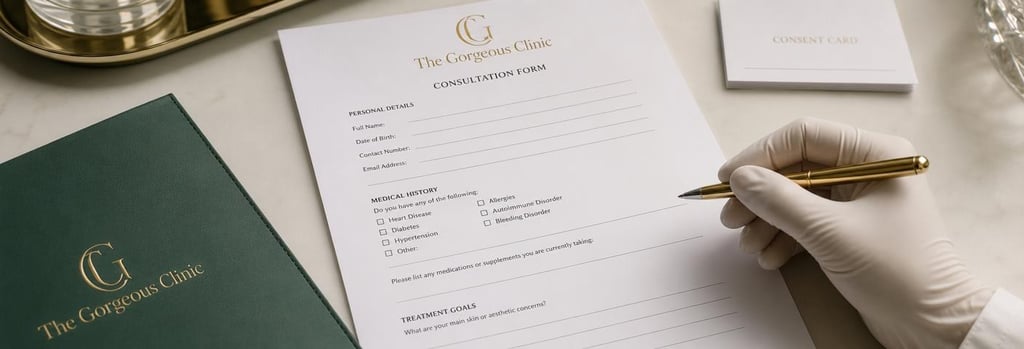
A proper consultation is two-way and specific. You should meet the person who will treat you, discuss medical history, medications, previous cosmetic work and realistic outcomes, and receive a clear explanation of risks and alternatives. The NHS specifically advises booking a consultation with the clinician who will perform the procedure rather than relying on an assistant or a different team member [1].
Good practitioners will show product information, explain likely side effects and recovery, document your consent and provide written aftercare. If you are offered treatment immediately without an assessment, leave and think twice. Take notes and ask for a cooling-off period if you need time to decide.
Good practitioners will show product information, explain likely side effects and recovery, document your consent and provide written aftercare. If you are offered treatment immediately without an assessment, leave and think twice. Take notes and ask for a cooling-off period if you need time to decide.
Aftercare and complications
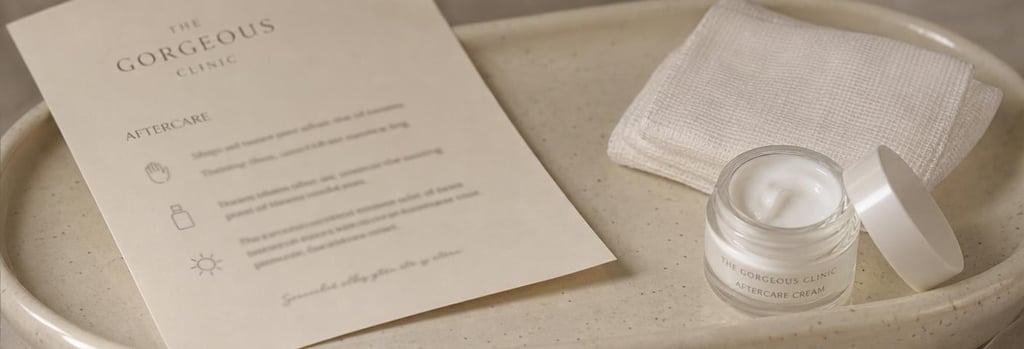
Before you consent, ask what aftercare you will receive and how complications are handled. Practitioners should give written aftercare instructions and be contactable if you have concerns after treatment. For injectables, common issues include bruising, swelling and tenderness; rarer, serious complications can occur and require prompt management.
Ask who will manage complications, where that care will take place and whether emergency pathways are in place. A clinic that cannot explain how it would deal with a vascular event, infection or allergic reaction should not treat you. Keep the clinic's contact details to hand and follow their aftercare precisely.
Ask who will manage complications, where that care will take place and whether emergency pathways are in place. A clinic that cannot explain how it would deal with a vascular event, infection or allergic reaction should not treat you. Keep the clinic's contact details to hand and follow their aftercare precisely.
Ready to connect?
All our consultations come with no obligation to book, and are pressure-free and education focused.
Book a Free Consultation
Book a Treatment
Whatsapp Message us