Masseter Treatment For Jawline Slimming And Teeth Grinding
Clinical Director John
5 minute read
Back to blog
If your lower face looks square or you wake with sore jaws and tired temples, masseter treatment is often considered. It can soften the jawline when the masseter muscle is large, and it may ease symptoms linked to jaw clenching or teeth grinding in suitable people. That said, it is not a universal fix. Careful assessment is essential to check if the problem is muscle activity, bone shape, fat or skin laxity. We assess movement, feel the muscle and explain realistic outcomes before any treatment in clinic, including here in Blackpool and across the Fylde Coast.
Masseter Treatment For Jawline Slimming And Teeth Grinding, What the treatment is
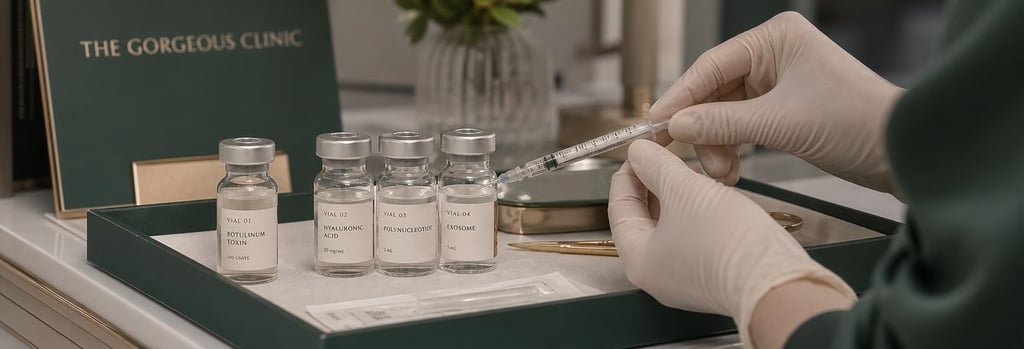
Masseter treatment uses a small number of anti-wrinkle injections into the masseter muscle to reduce its activity and bulk. The masseter is the main chewing muscle at the back of the lower jaw. When overactive, it can make the jaw look square or feel tight. Injecting tiny doses relaxes the muscle and, over weeks to months, the face may take on a softer, more tapered lower contour.
This is a muscle treatment, not a bone or fat procedure. Results develop gradually as muscle thins. Most clients see measurable softening by 6 to 12 weeks. The procedure usually takes 15 to 30 minutes and is performed after a consultation and facial assessment.
This is a muscle treatment, not a bone or fat procedure. Results develop gradually as muscle thins. Most clients see measurable softening by 6 to 12 weeks. The procedure usually takes 15 to 30 minutes and is performed after a consultation and facial assessment.

TMJ, TMD and teeth grinding
TMJ stands for the temporomandibular joint, the hinge that connects your jaw to the skull. TMD refers to problems affecting that joint and the surrounding muscles. Symptoms may include jaw pain, temple headaches, clicking, difficulty opening wide and, rarely, jaw locking. Teeth grinding and jaw clenching can cause jaw soreness, headaches and disturbed sleep.
When the primary problem is an overactive masseter muscle, relaxing it with targeted injections can reduce muscle tension and, in some cases, improve related symptoms. We do not claim masseter treatment cures all TMD or migraine. It is one option when clenching or grinding is a clear driver of symptoms, and only after careful assessment. For broader joint problems, dentists, physiotherapists or specialists may be needed [1].
When the primary problem is an overactive masseter muscle, relaxing it with targeted injections can reduce muscle tension and, in some cases, improve related symptoms. We do not claim masseter treatment cures all TMD or migraine. It is one option when clenching or grinding is a clear driver of symptoms, and only after careful assessment. For broader joint problems, dentists, physiotherapists or specialists may be needed [1].
Who is suitable
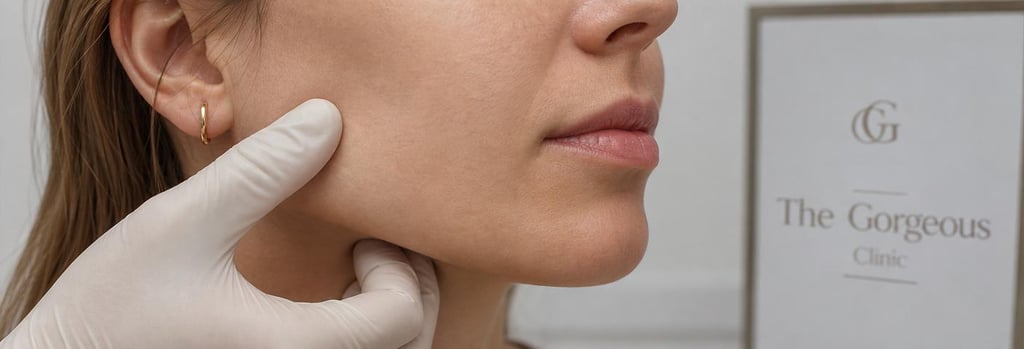
Masseter treatment may be suitable if your jaw width is mainly due to enlarged masseter muscles from chewing, clenching or grinding. If the lower-face fullness comes from bone width, higher overall body fat, facial fat pads or loose skin, the visible slimming effect will be less noticeable. Older clients with reduced skin elasticity or existing jowling should be counselled that reducing muscle bulk can occasionally make lower-face laxity slightly more apparent.
Face-to-face assessment is essential. In clinic we will feel the masseter while you clench, check jaw movement and discuss the likely cause of your concern. We will not proceed if another problem explains the appearance or symptoms. This honest assessment is the safest route to an appropriate outcome in Blackpool and across Lancashire.
Face-to-face assessment is essential. In clinic we will feel the masseter while you clench, check jaw movement and discuss the likely cause of your concern. We will not proceed if another problem explains the appearance or symptoms. This honest assessment is the safest route to an appropriate outcome in Blackpool and across Lancashire.
What to expect and aftercare
A consultation comes first, followed by a treatment visit where a few tiny injections are placed into the muscle. Discomfort is usually brief and mild, and most people resume normal activities the same day. Common short-term effects include slight bruising, tenderness or temporary weakness when chewing. We advise soft foods for a day or two and avoiding vigorous jaw exercise immediately after treatment.
Results begin to appear over weeks as muscle activity reduces. Benefits for teeth grinding or jaw tension can be noticeable in the first few weeks, though relief varies. Repeat treatments are usually needed if you want to maintain effect. If you are considering treatment, a consultation is the safest place to start.
Results begin to appear over weeks as muscle activity reduces. Benefits for teeth grinding or jaw tension can be noticeable in the first few weeks, though relief varies. Repeat treatments are usually needed if you want to maintain effect. If you are considering treatment, a consultation is the safest place to start.
Choosing a clinic
Choose a clinic with a medically qualified practitioner experienced in facial anatomy and jaw assessments. A proper clinician will examine your bite, feel the masseter, assess joint movement and discuss alternatives such as dental referral, physiotherapy or conservative measures when appropriate. Avoid clinics that press for treatment at the first appointment without explaining risks and alternatives.
At The Gorgeous Clinic we aim to be honest about likely benefit and limitations. Our free consultations are your chance to ask about experience, expected timelines and what might happen if jaw width is due to bone or skin changes. If you would like personalised advice, The Gorgeous Clinic can talk you through your options.
At The Gorgeous Clinic we aim to be honest about likely benefit and limitations. Our free consultations are your chance to ask about experience, expected timelines and what might happen if jaw width is due to bone or skin changes. If you would like personalised advice, The Gorgeous Clinic can talk you through your options.