Forehead Lines: Careful Treatment That Keeps You Natural
Jenna Hickson
5 minute read
Back to blog
You want to soften forehead lines without looking frozen or heavy-browed. That is a sensible worry. Forehead anti-wrinkle injections work on the frontalis muscle, which also helps lift the brow. Getting the balance wrong can leave you expressionless or with a lower brow. This piece explains how the muscle works, why dosing and a staged approach matter, and what extra care mature faces need. The aim is practical reassurance so you can decide whether treatment is right for you.
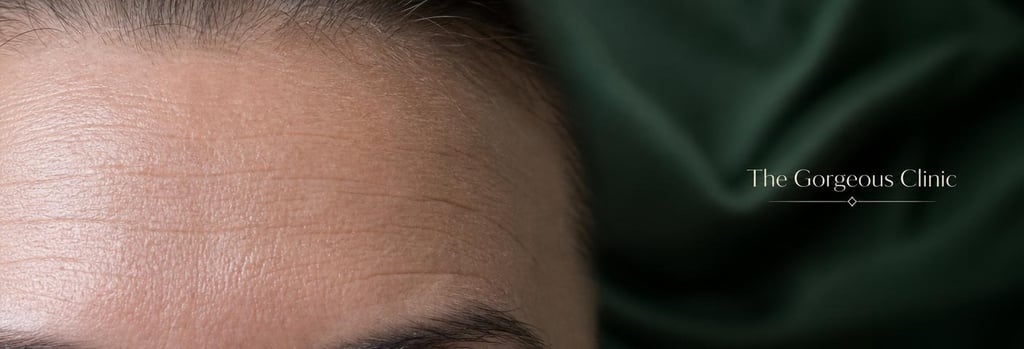
Forehead Lines: Careful Treatment That Keeps You Natural, What forehead lines mean
Forehead lines are the visible folds formed by repeated contraction of the frontalis muscle. They are a normal part of expression and ageing. Some people see horizontal lines at rest, others only when raising the brow. The depth, pattern and skin quality all affect how noticeable lines are.
Treating forehead lines often reduces the movement that causes them. That can smooth the skin and give a fresher appearance. But because the frontalis also helps support the brow, reducing its activity changes how the brow sits. That relationship is why careful planning matters before any anti-wrinkle injection into the forehead.
Treating forehead lines often reduces the movement that causes them. That can smooth the skin and give a fresher appearance. But because the frontalis also helps support the brow, reducing its activity changes how the brow sits. That relationship is why careful planning matters before any anti-wrinkle injection into the forehead.
How the frontalis and brow work
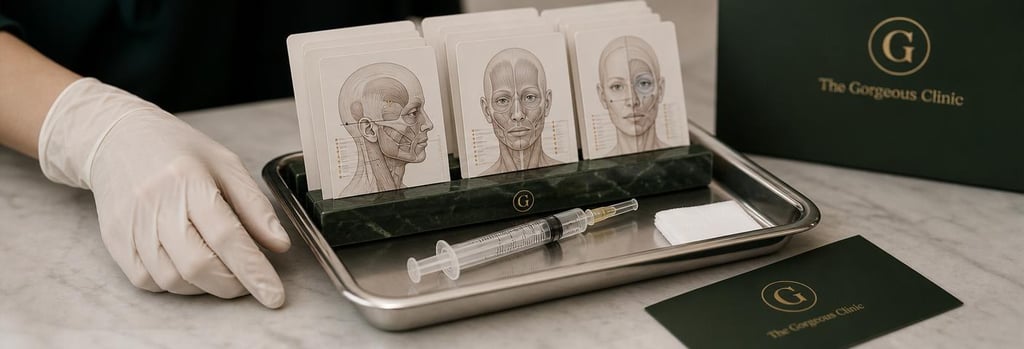
The frontalis muscle runs vertically from the hairline to the brow. When it contracts it raises the brow and creates forehead lines. Other muscles pull the brow down, so the forehead is part of a balance. If the frontalis is weakened too much, the downward pull can dominate and the brow may sit lower, especially at the tail.
This is more than theory. Anatomy, individual muscle strength and ageing all change the balance. A clinician assesses how strongly you use the frontalis, whether the brows are already low or heavy, and whether supporting treatments such as temple or lateral brow filler might be needed to preserve a natural arch.
This is more than theory. Anatomy, individual muscle strength and ageing all change the balance. A clinician assesses how strongly you use the frontalis, whether the brows are already low or heavy, and whether supporting treatments such as temple or lateral brow filler might be needed to preserve a natural arch.
Careful dosing and staged treatment
The safest route to natural anti-wrinkle results is to start conservatively. Practitioners commonly use smaller units in the first treatment and invite review at two weeks. This staged approach lets you and the clinician see how your brow settles and whether a small top-up is needed. It reduces the risk of an over-treated, frozen look and of a heavy brow caused by excessive frontalis weakening.
Staged treatment also allows different dosing across the forehead. The central frontalis may need a different amount from the lateral parts. A subtle, tailored plan gives movement where you want it and smoothing where you need it. If you are nervous, ask for a staged plan in writing during your consultation. For more on the techniques we use, see [[LINK:anti-wrinkle-injections|anti-wrinkle injections]].
Staged treatment also allows different dosing across the forehead. The central frontalis may need a different amount from the lateral parts. A subtle, tailored plan gives movement where you want it and smoothing where you need it. If you are nervous, ask for a staged plan in writing during your consultation. For more on the techniques we use, see [[LINK:anti-wrinkle-injections|anti-wrinkle injections]].
Why mature faces need extra judgement
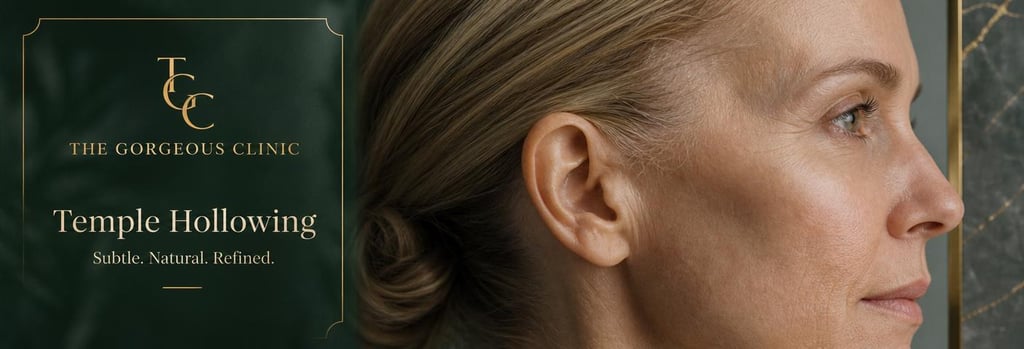
Ageing changes skin, bone and soft tissue. Thinning skin, lower brow position and loss of temple volume all affect how forehead treatment looks. Older patients often rely more on a gently active frontalis to keep the brow lifted. Removing too much activity can unintentionally deepen hooding or make the eyes look smaller.
A careful assessment of support structures is essential. Sometimes the better result uses smaller doses of anti-wrinkle injections alongside filler or skin boosters for temple or lateral support. These combined plans protect the brow position while still softening forehead lines. Good clinicians will explain these options rather than offering a one-size-fits-all dose.
A careful assessment of support structures is essential. Sometimes the better result uses smaller doses of anti-wrinkle injections alongside filler or skin boosters for temple or lateral support. These combined plans protect the brow position while still softening forehead lines. Good clinicians will explain these options rather than offering a one-size-fits-all dose.
Choosing the right clinician and what to expect
Choose a prescriber who understands facial balance and who is willing to adopt a staged plan. In the consultation you should get a clear explanation of goals, realistic outcomes and risks. Expect a facial assessment with movement checks, measurement of brow position and a discussion about how much movement you want to keep.
Aftercare includes a review at two weeks so any small top-up can be done. If complications or unwanted heaviness occur, an experienced clinician will offer corrective options and clear follow-up. If you are considering treatment, a consultation is the safest place to start. For local availability on the Fylde Coast and Blackpool area, The Gorgeous Clinic offers free consultations and WhatsApp contact for quick questions.
Aftercare includes a review at two weeks so any small top-up can be done. If complications or unwanted heaviness occur, an experienced clinician will offer corrective options and clear follow-up. If you are considering treatment, a consultation is the safest place to start. For local availability on the Fylde Coast and Blackpool area, The Gorgeous Clinic offers free consultations and WhatsApp contact for quick questions.
Ready to connect?
All our consultations come with no obligation to book, and are pressure-free and education focused.
Book a Free Consultation
Book a Treatment
Whatsapp Message us