Dermal Filler Safety: What To Check Before Booking
Clinical Director John
5 minute read
Back to blog
You want to look fresher without taking unnecessary risks. Dermal filler can give subtle, natural-looking improvement, but safety matters more than bargains or quick appointments. Readable checks before you book help spot well-trained practitioners, appropriate products and sensible aftercare. This short, practical overview explains what to ask, what to expect at a consultation, how complications are monitored and why avoiding rushed or cheap filler really is worth the small extra effort.

Dermal Filler Safety: What To Check Before Booking, Who does the treatment
The most important safety question is who will perform the injection. Ask for the clinician\u0002s professional registration and typical qualifications. In the UK this means a doctor, dentist, or registered nurse with additional aesthetic training. Look for named courses, CPD and clear clinical indemnity. A good practitioner will explain their experience with the specific area you want treated, for example lips, under-eye or jawline.
Avoid injectors who rely only on short weekend courses or who will not show a verifiable registration. Clinics that advertise junior staff for very low prices may still operate safely, but transparency about experience, supervision and emergency plans is essential. If you want more depth on combination approaches, experienced clinics often describe linked treatments like non-surgical facelifts alongside fillers.
Avoid injectors who rely only on short weekend courses or who will not show a verifiable registration. Clinics that advertise junior staff for very low prices may still operate safely, but transparency about experience, supervision and emergency plans is essential. If you want more depth on combination approaches, experienced clinics often describe linked treatments like non-surgical facelifts alongside fillers.

What a proper consultation looks like
A safe consultation is more than a price or a quick photo. Expect a clinical history, medication review, allergy and previous aesthetic treatment questions. The clinician should assess facial anatomy, skin quality and discuss realistic aims and alternatives. You should leave with a treatment plan, consent form and an explanation of product choice and risks.
If any red flags appear, like pressure to proceed immediately, off-the-record discounting of risks, or a refusal to discuss complications, step away. A sensible clinician allows time for questions and often suggests a cooling-off period before certain procedures. Free consultations are common, but they should feel informative rather than rushed.
If any red flags appear, like pressure to proceed immediately, off-the-record discounting of risks, or a refusal to discuss complications, step away. A sensible clinician allows time for questions and often suggests a cooling-off period before certain procedures. Free consultations are common, but they should feel informative rather than rushed.
Product choice and anatomy
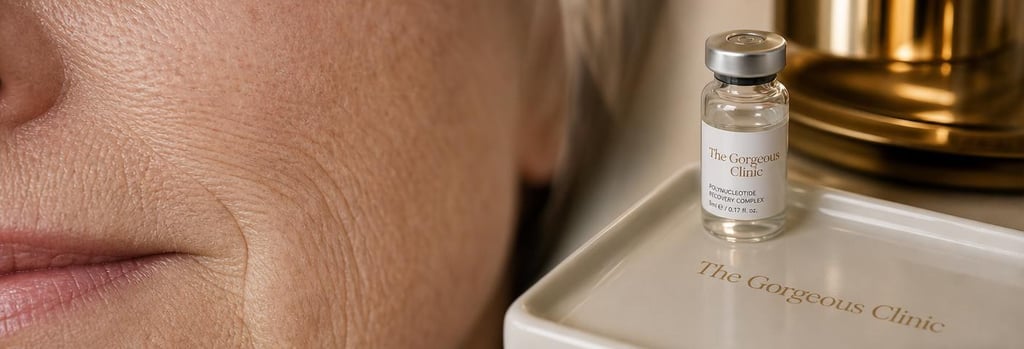
Hyaluronic acid fillers vary by thickness, longevity and intended use. Safety improves when the clinician matches product and technique to your anatomy. For example, thicker gels suit cheek lifting while finer fillers or specialised products may be used around the tear trough. Always ask for the product name, batch number and an explanation why it suits your face.
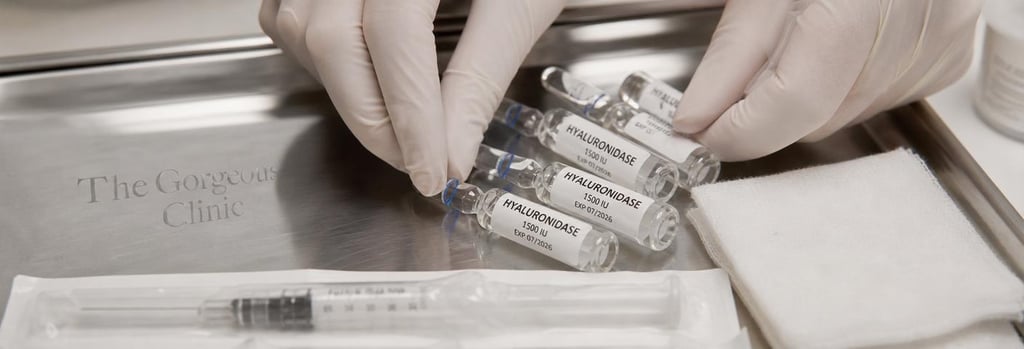
Understanding facial anatomy matters for safety. A practitioner should be able to point out important vessels, discuss ways to reduce risk such as slow injection, small volumes and cannulas, and explain emergency measures like hyaluronidase for vascular events. If you are curious about fuller treatment pages, reputable clinics explain their approach to mid-face and lower-face filler planning. [[LINK:hyaluronic-acid-dermal-filler|Dermal Filler: Lower 2/3 of Face]]
Understanding facial anatomy matters for safety. A practitioner should be able to point out important vessels, discuss ways to reduce risk such as slow injection, small volumes and cannulas, and explain emergency measures like hyaluronidase for vascular events. If you are curious about fuller treatment pages, reputable clinics explain their approach to mid-face and lower-face filler planning. [[LINK:hyaluronic-acid-dermal-filler|Dermal Filler: Lower 2/3 of Face]]
Understanding complications
Complications from dermal filler are uncommon when treatment is performed by a trained clinician, but you need to know what they look like and how they are handled. Common short-term issues include swelling, bruising and lumps. More serious, rare events include infection, granuloma formation and vascular occlusion which can cause skin changes or, in very rare cases, visual problems. A clinician should explain these risks and how they would manage them.
Ask what emergency kits and protocols the clinic has, whether hyaluronidase is available on site, and how they handle follow-up. If a practitioner downplays the possibility of complications or cannot describe a clear escalation pathway, consider that a warning sign. Clear, documented aftercare and an easy route back to the clinic reduce risk and anxiety.
Ask what emergency kits and protocols the clinic has, whether hyaluronidase is available on site, and how they handle follow-up. If a practitioner downplays the possibility of complications or cannot describe a clear escalation pathway, consider that a warning sign. Clear, documented aftercare and an easy route back to the clinic reduce risk and anxiety.

Aftercare, reviews and realistic expectations
Aftercare is part of the treatment, not an optional extra. Expect written aftercare that covers managing swelling and bruising, when to avoid exercise, and when to return if you notice worrying signs. Most visible settling occurs over two weeks; final refinement may be scheduled at a follow-up appointment. Realistic expectations matter: fillers improve volume and contour, they do not stop ageing.
Check the clinic\u0002s reviews and before-and-after photos, but read them critically. Look for consistent comments about safety, honest communication and follow-up care rather than only price praise. If you are considering treatment, a consultation is the safest place to start.
Check the clinic\u0002s reviews and before-and-after photos, but read them critically. Look for consistent comments about safety, honest communication and follow-up care rather than only price praise. If you are considering treatment, a consultation is the safest place to start.
Ready to connect?
All our consultations come with no obligation to book, and are pressure-free and education focused.
Book a Free Consultation
Book a Treatment
Whatsapp Message us