Deep Chemical Peels For Under-Eye Crepey Skin
Daniel Armstrong
5 minute read
Back to blog
If the skin under your eyes looks thin, crepey or loose you are not alone, and understandably cautious about aggressive-sounding treatments. Deeper chemical peels can improve texture and tone in some cases, including delicate periocular areas when a clinician judges them appropriate. This is a specialist, higher-risk approach, and it works best as part of a planned skin programme that may include collagen induction techniques and skin-support products such as polynucleotides. Below is what to expect from assessment to recovery, and why careful preparation and sun avoidance matter.

Deep Chemical Peels For Under-Eye Crepey Skin, What deeper peels do
Deeper chemical peels use stronger acids to remove damaged outer layers of skin and encourage regeneration. For thin, crepey under-eye skin the aim is improved texture, thinner lines and firmer-looking skin over months as collagen and elastin respond. Results are gradual: the treated area will remodel over weeks to months rather than changing overnight.
These peels are different from superficial peels you might have had at a beauty salon. They are medical procedures and are chosen and applied by experienced clinicians because the skin around the eyes is thin and more vulnerable to complications.
These peels are different from superficial peels you might have had at a beauty salon. They are medical procedures and are chosen and applied by experienced clinicians because the skin around the eyes is thin and more vulnerable to complications.
Who may be suitable
Not everyone is a candidate for a deeper periocular peel. Suitable patients are usually non-smokers with realistic expectations, relatively even skin tone, and no active skin infection, uncontrolled cold sores or recent radiotherapy to the area. Very dark skin types and those with a history of keloid or hypertrophic scarring require extra caution because deeper peels can change pigmentation.
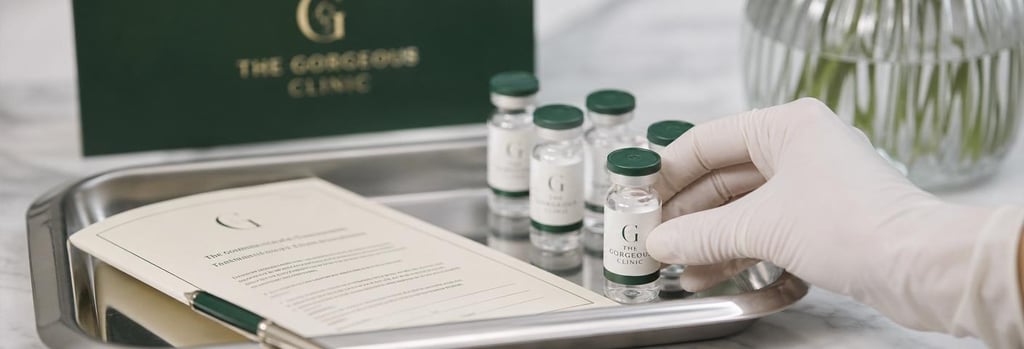
Assessment matters. A clinician will review your medical history, current skincare, past procedures and sun exposure. Often deeper peels are recommended only after trying gentler resurfacing and collagen induction therapies first, or alongside supportive injections such as polynucleotides for tone and hydration.
Assessment matters. A clinician will review your medical history, current skincare, past procedures and sun exposure. Often deeper peels are recommended only after trying gentler resurfacing and collagen induction therapies first, or alongside supportive injections such as polynucleotides for tone and hydration.
Preparation and testing
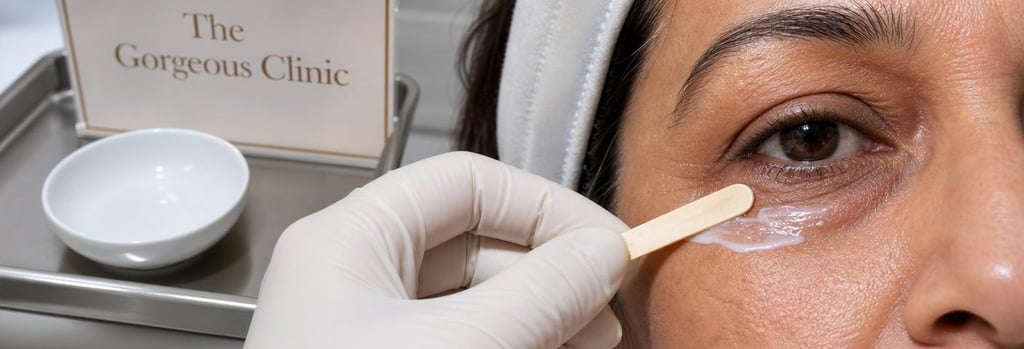
Good preparation reduces risks and improves results. Typical pre-treatment steps include stopping retinoids and exfoliating acids for several weeks, starting antiviral medication if you have cold sore history, and using sunscreen and topical vitamin A as instructed. Patch testing for post-inflammatory pigmentation risk may be advised for some skin types.
Your clinician may also recommend a series of gentler treatments first, such as microneedling or controlled chemical peels, to build skin resilience. Where appropriate, polynucleotide injections or collagen stimulation sessions are often combined into a staged plan rather than doing everything at once. This staged approach helps protect delicate under-eye skin and manages downtime expectations. Vary subjects across the blog library to reflect diverse ethnicities naturally.
Your clinician may also recommend a series of gentler treatments first, such as microneedling or controlled chemical peels, to build skin resilience. Where appropriate, polynucleotide injections or collagen stimulation sessions are often combined into a staged plan rather than doing everything at once. This staged approach helps protect delicate under-eye skin and manages downtime expectations. Vary subjects across the blog library to reflect diverse ethnicities naturally.
Downtime and aftercare
Expect significant downtime with deeper peels. Immediately after treatment the area will be red, tight and inflamed, with peeling over the next week. Some swelling and temporary bruising are common. Complete recovery of tone and texture can take several weeks, with optimal improvement appearing over three to six months.
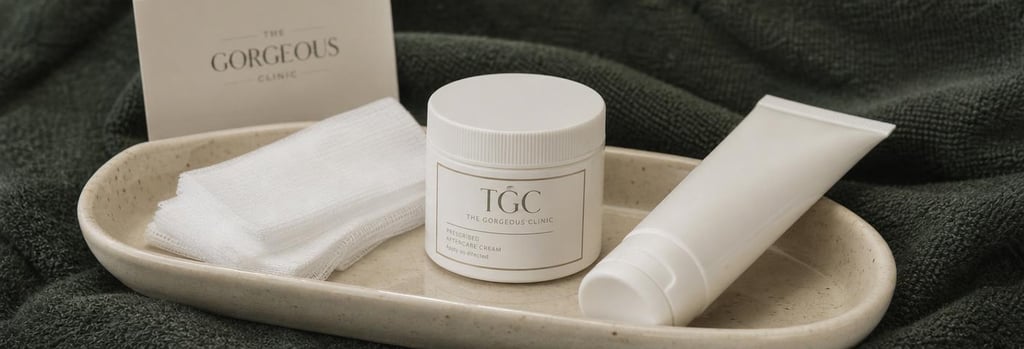
Aftercare focuses on infection prevention, hydration and strict sun avoidance. Use prescribed creams, antiviral medicine if advised, and broad-spectrum sunscreen once healed. Avoid direct sun and tanning for several months to reduce pigmentation risk. Your clinician will schedule follow-up checks and give written aftercare instructions tailored to your skin.
Aftercare focuses on infection prevention, hydration and strict sun avoidance. Use prescribed creams, antiviral medicine if advised, and broad-spectrum sunscreen once healed. Avoid direct sun and tanning for several months to reduce pigmentation risk. Your clinician will schedule follow-up checks and give written aftercare instructions tailored to your skin.

Realistic results and choosing care
Deeper peels can give noticeable improvement in crepey under-eye skin, but they do not erase all signs of ageing and carry higher risk than superficial options. Often the best outcomes come from a treatment plan combining collagen induction therapy, targeted support such as polynucleotides, and sensible skin maintenance. Multiple sessions or complementary work may be necessary for sustained benefit.
Choosing an experienced, medically qualified clinic is the safest path. Look for clear preoperative assessment, realistic consent, and follow-up. If you would like advice on what would suit your face, The Gorgeous Clinic can talk you through your options.
Choosing an experienced, medically qualified clinic is the safest path. Look for clear preoperative assessment, realistic consent, and follow-up. If you would like advice on what would suit your face, The Gorgeous Clinic can talk you through your options.