Chemical Peels: Which Peel Suits Your Skin?
Nurse Susana Gonzales
5 minute read
Back to blog
You want fresher, clearer skin but you worry about downtime, risk and whether a peel will make pigmentation worse. Chemical peels can help dullness, sunspots, congestion, acne scarring and fine lines, but not every peel suits every skin. We offer a light/medium peel with minimal downtime and a deep 35% TCA peel that usually peels between day 4 and day 10 and gives strong results for sun damage and stubborn pigment. Read on for simple, practical differences, safety notes and aftercare so you can decide if a professional peel feels right.
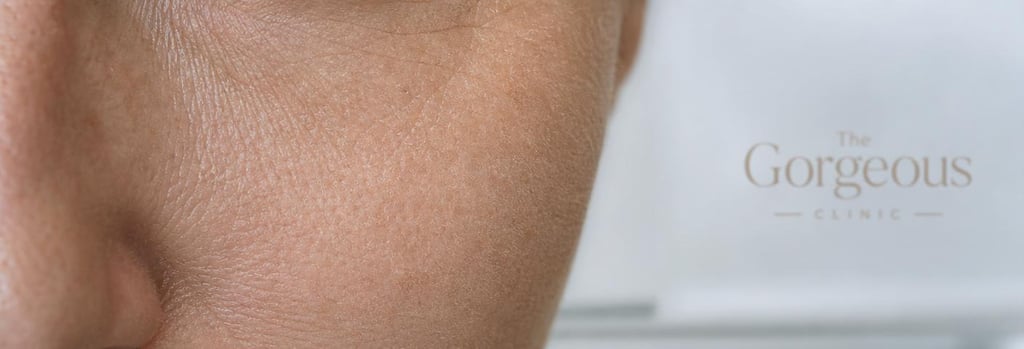
Chemical Peels: Which Peel Suits Your Skin?, What a chemical peel does
A chemical peel uses a controlled acid to remove the top layers of skin, encouraging new, fresher skin to replace damaged tissue. Different acids and strengths target different problems: lactic or mandelic acids for gentle brightness, salicylic acid for oily or acne-prone skin, and trichloroacetic acid (TCA) for deeper lines and sun damage.
Peels change surface texture, reduce superficial pigment and clear congestion. They are not a one-time cure for deep scarring or volume loss. A professional assessment shows whether a peel alone will help, or whether a combined approach is safer and more effective.
Peels change surface texture, reduce superficial pigment and clear congestion. They are not a one-time cure for deep scarring or volume loss. A professional assessment shows whether a peel alone will help, or whether a combined approach is safer and more effective.
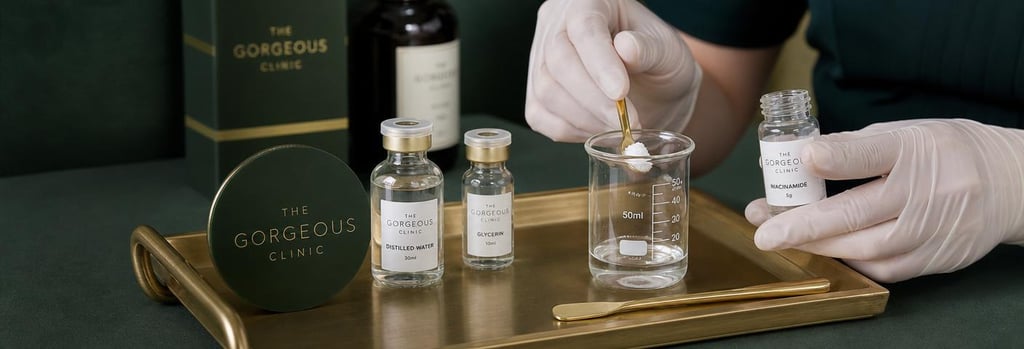
Light and medium peels: gentle refresh
Light and medium peels use milder acids and lower concentrations. They improve dullness, surface pigmentation, blocked pores and mild fine lines with minimal downtime. At our clinic these peels usually cause redness for 24 to 72 hours and light flaking in some people, but most clients can return to normal activities the same day.
These peels are commonly recommended for ongoing skin maintenance, improving texture and clearing congestion with a course of treatments spaced several weeks apart. They are a good starting point if you want visible improvement without a lengthy recovery.
These peels are commonly recommended for ongoing skin maintenance, improving texture and clearing congestion with a course of treatments spaced several weeks apart. They are a good starting point if you want visible improvement without a lengthy recovery.

Deep 35% TCA peel: what to expect
A deep 35% TCA peel penetrates further and is used for sun damage, stubborn pigmentation and more pronounced fine lines. It requires a pre-peel preparation phase and an experienced practitioner. Visible peeling usually starts around day 4 and runs to about day 10, with significant flaking and temporary redness during that window. Results can be dramatic for the right concerns, which is why our deep peel has become well known locally.
Deep peels carry higher risk: longer redness, infection risk and changes in pigment. Careful pre-assessment, sun avoidance before and after, and supervised aftercare are essential for a good outcome.
Deep peels carry higher risk: longer redness, infection risk and changes in pigment. Careful pre-assessment, sun avoidance before and after, and supervised aftercare are essential for a good outcome.

Who is suitable, and who is not
Not every skin tone or condition is suitable for every peel. Deep TCA peels work best on lighter skin tones because people with darker skin have a higher risk of post-inflammatory pigmentation or uneven pigment after deep resurfacing. A careful skin-type assessment reduces this risk and may lead us to suggest gentler peels or staged approaches instead.
Active cold sores, recent isotretinoin use, certain medical conditions and recent sun exposure are common reasons to delay a peel. Honest medical history and a test patch where relevant make the procedure safer and more predictable.
Active cold sores, recent isotretinoin use, certain medical conditions and recent sun exposure are common reasons to delay a peel. Honest medical history and a test patch where relevant make the procedure safer and more predictable.
Sun rules, aftercare and why professional assessment matters
Sun exposure before or after a peel dramatically increases risk of pigmentation and poor healing. Avoid direct sun for at least four weeks before a deep peel and use high-factor, broad-spectrum sunscreen afterwards. Expect to use gentle cleansers, specific barrier creams and strict sun protection during the recovery period.
Professional assessment matters because the wrong peel strength or poor aftercare is what causes most problems. A clinician checks history, skin type and current products, explains realistic outcomes and maps recovery. If you would like advice on what would suit your face, The Gorgeous Clinic can talk you through your options.
Professional assessment matters because the wrong peel strength or poor aftercare is what causes most problems. A clinician checks history, skin type and current products, explains realistic outcomes and maps recovery. If you would like advice on what would suit your face, The Gorgeous Clinic can talk you through your options.