Can You Have Dermal Filler Complications Treated on the NHS?
Jenna Hickson
5 minute read
Back to blog
You are worried because a private dermal filler treatment has not gone as expected, and you are asking whether the NHS will step in. That is a reasonable question. In short, the NHS treats urgent medical problems, such as severe infection, sudden vision changes, major tissue ischaemia and intense uncontrolled pain. Routine cosmetic dissatisfaction, dissolving for aesthetic reasons, or correction to restore appearance is usually handled by the treating clinic or an appropriate private practitioner. This page explains the likely pathways, what to look for and sensible next steps.
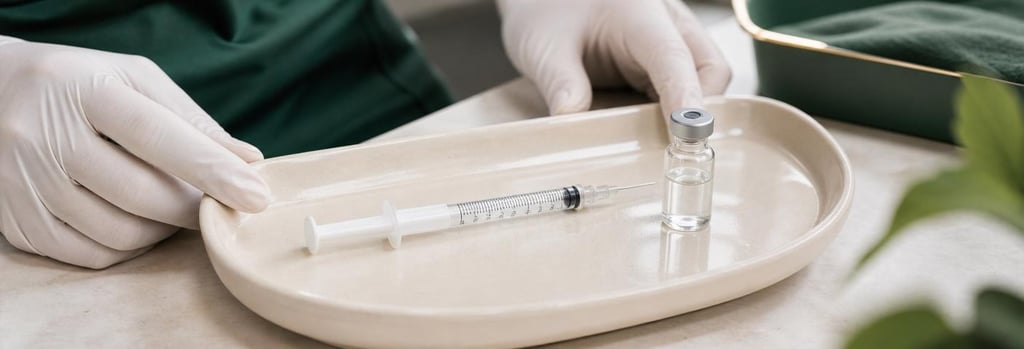
Can You Have Dermal Filler Complications Treated on the NHS?, When to seek urgent medical help
Certain problems after fillers need immediate medical assessment. Seek urgent care if you develop severe increasing pain, spreading redness and fever, or any sudden visual disturbance such as blurred vision or loss of sight. These symptoms can indicate serious infection, vascular compromise or other acute issues that require assessment without delay.
If you experience any of those signs, call NHS 111 or present to an emergency department promptly. Do not wait to see a cosmetic clinic if vision or severe systemic symptoms are present. Early medical assessment improves the chance of a good outcome and helps clinicians decide whether urgent interventions are needed [1].
If you experience any of those signs, call NHS 111 or present to an emergency department promptly. Do not wait to see a cosmetic clinic if vision or severe systemic symptoms are present. Early medical assessment improves the chance of a good outcome and helps clinicians decide whether urgent interventions are needed [1].

What the NHS will and will not normally treat
The NHS is committed to treating true medical emergencies and conditions that are clinically significant. Emergency infections, severe necrosis risk, unexplained vision loss and major systemic reactions are NHS priorities and should be assessed there [1]. Routine aesthetic problems are generally not covered. This includes being unhappy with how your filler looks, wanting it dissolved for cosmetic reasons, or seeking a corrective reshaping that is not medically necessary.
If a private clinic has caused an infection or other medical harm they have a duty of care and should offer follow-up and treatment. Many reputable clinics will manage or arrange care for complications. If they will not, you may need to pursue private corrective care or legal advice about duty of care depending on the circumstances [2].
If a private clinic has caused an infection or other medical harm they have a duty of care and should offer follow-up and treatment. Many reputable clinics will manage or arrange care for complications. If they will not, you may need to pursue private corrective care or legal advice about duty of care depending on the circumstances [2].
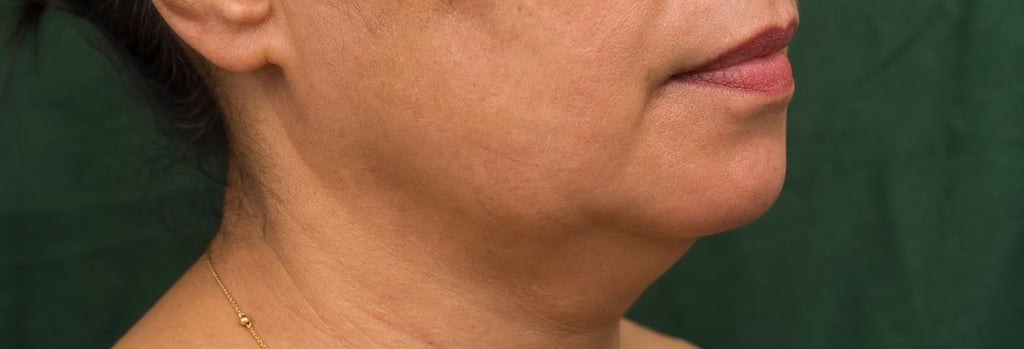
Common complications and likely pathways
Infections: Redness, warmth, spreading swelling and fever suggest infection. These need prompt assessment and may be treated with oral or intravenous antibiotics depending on severity. The NHS will assess urgent systemic infection signs, but mild local infections may be managed by the treating clinic with antibiotics under clinical guidance [1].
Vascular events and visual symptoms: If filler is accidentally injected into or compresses a blood vessel, the skin can blanch, become painful, or develop a livedoid discolouration. Sudden visual symptoms are particularly serious. These require immediate medical assessment in hospital. Lumps, delayed swelling or nodules: These are common worries. They may reflect local inflammation, product reaction or placement issues. Many cases are managed by the original clinic with conservative measures, steroid treatment, hyaluronidase for hyaluronic acid products or referral to a specialist. Cosmetic dissatisfaction: Dissolving for appearance reasons is usually private and arranged with your treating practitioner.
Vascular events and visual symptoms: If filler is accidentally injected into or compresses a blood vessel, the skin can blanch, become painful, or develop a livedoid discolouration. Sudden visual symptoms are particularly serious. These require immediate medical assessment in hospital. Lumps, delayed swelling or nodules: These are common worries. They may reflect local inflammation, product reaction or placement issues. Many cases are managed by the original clinic with conservative measures, steroid treatment, hyaluronidase for hyaluronic acid products or referral to a specialist. Cosmetic dissatisfaction: Dissolving for appearance reasons is usually private and arranged with your treating practitioner.

Who should provide follow-up care
Start with the clinic that performed the treatment. They have a duty of care and are usually the quickest route to assessment, prescriptions and any necessary corrective treatments such as hyaluronidase for hyaluronic acid fillers. If that clinic is unresponsive, seek a reputable private practitioner with experience in complications management. Many accredited clinicians provide complication clinics specifically for dissolves and infections.
If a complication is medically urgent, attend NHS emergency services or call 111 and follow their advice. It is sensible to document communications, take dated photos, and keep a record of treatments and product names if you have them. This helps any clinician assess the issue efficiently. For routine education on filler placement and safety, practitioners may wish to review technical resources such as our dermal filler information on specific procedures [[LINK:hyaluronic-acid-dermal-filler|Dermal filler treatments]].
If a complication is medically urgent, attend NHS emergency services or call 111 and follow their advice. It is sensible to document communications, take dated photos, and keep a record of treatments and product names if you have them. This helps any clinician assess the issue efficiently. For routine education on filler placement and safety, practitioners may wish to review technical resources such as our dermal filler information on specific procedures [[LINK:hyaluronic-acid-dermal-filler|Dermal filler treatments]].
Practical steps and realistic expectations
If you think something is wrong, act promptly and stay calm. For urgent signs such as severe pain, spreading redness, fever or visual changes, call NHS 111 or attend emergency care immediately. For non-urgent issues, contact your treating clinic first and ask for an assessment. Good clinics will offer review appointments, prescribe antibiotics if infection is suspected, and discuss dissolving or corrective options when appropriate.
Be realistic about NHS availability. The service will prioritise medical need, not cosmetic correction. If you live on the Fylde Coast, Blackpool or elsewhere in Lancashire and need local private support, ask the treating clinic for a referral or consider an experienced practitioner who manages complications regularly. If you are considering treatment, a consultation is the safest place to start.
Be realistic about NHS availability. The service will prioritise medical need, not cosmetic correction. If you live on the Fylde Coast, Blackpool or elsewhere in Lancashire and need local private support, ask the treating clinic for a referral or consider an experienced practitioner who manages complications regularly. If you are considering treatment, a consultation is the safest place to start.
Ready to connect?
All our consultations come with no obligation to book, and are pressure-free and education focused.
Book a Free Consultation
Book a Treatment
Whatsapp Message us