8-Point Face Lift Explained: Natural-Looking Support Without Surgery
Clinical Director John
4 minute read
Back to blog
Worried your lower face has started to sag, but not ready for surgery? The 8-point face lift is a non-surgical approach that uses carefully placed dermal filler to restore structural support, soften shadows and improve overall facial balance. It aims to lift subtly, reduce the look of jowls and hollowing, and refresh the face while keeping movement and natural expression. For many people in their 40s to 60s it is a sensible alternative to surgery, but it is not the same as an operation. Read on to understand who it suits, what it can realistically achieve, and why advanced anatomy matters.
8-Point Face Lift Explained: Natural-Looking Support Without Surgery, What the 8-point face lift is
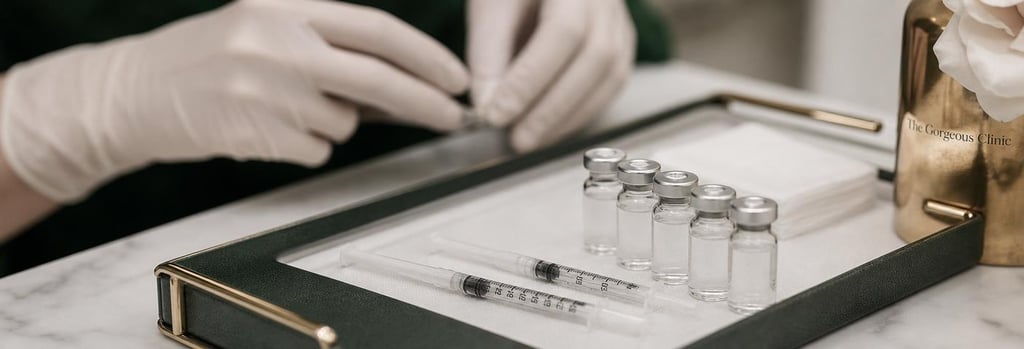
The 8-point face lift is a structured, non-surgical technique using dermal filler at eight specific areas to restore lost volume and lift soft tissues. Practitioners place filler to recreate support under the cheek, jawline, temples and around the mouth. This reduces mid-face descent, softens nasolabial folds and improves jawline definition without removing skin.
It’s anatomy-led. Results depend on careful vectoring of product and subtle volume rather than obvious ‘plumping’. Many clinics describe the technique as a way to restore support where volume has shifted with age. The aim is balance, not dramatic change, which is why accurate placement and product choice matter.
It’s anatomy-led. Results depend on careful vectoring of product and subtle volume rather than obvious ‘plumping’. Many clinics describe the technique as a way to restore support where volume has shifted with age. The aim is balance, not dramatic change, which is why accurate placement and product choice matter.
Who is likely to suit it
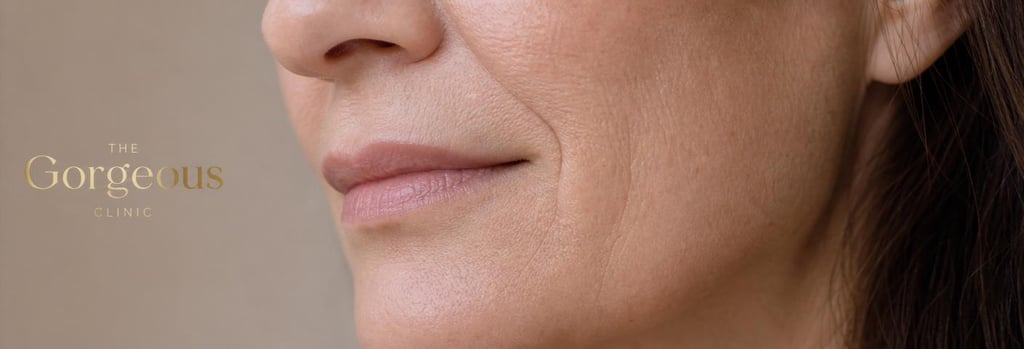
The 8-point approach tends to suit people noticing early to moderate facial volume loss and descent. Typical clients are in their 40s to early 60s who want a fresher, supported look without surgery. It is particularly useful for people with mid-face hollowing, flattening of the cheeks, and mild jowling where adding structural support improves facial contours.
It is less useful for very heavy skin laxity or substantial excess tissue. If skin is very loose, a surgical facelift or skin-tightening procedure may be more appropriate. A consultation will assess bone structure, skin quality and movement to advise whether fillers alone are likely to meet your goals.
It is less useful for very heavy skin laxity or substantial excess tissue. If skin is very loose, a surgical facelift or skin-tightening procedure may be more appropriate. A consultation will assess bone structure, skin quality and movement to advise whether fillers alone are likely to meet your goals.
What it can and cannot achieve
What it can do: restore lost structural support, reduce the appearance of nasolabial folds and marionette lines, improve cheek fullness and help define the jawline. When placed thoughtfully, filler can soften shadows and give a lifted appearance without altering facial movement.
What it cannot do: remove large amounts of excess skin, stop the ageing process, or permanently replace surgical tightening where there is significant laxity. Results are also limited by skin quality and bone structure. Expect improvement rather than perfection. Longevity varies with product choice and individual metabolism, commonly lasting 9 to 18 months for many areas.
What it cannot do: remove large amounts of excess skin, stop the ageing process, or permanently replace surgical tightening where there is significant laxity. Results are also limited by skin quality and bone structure. Expect improvement rather than perfection. Longevity varies with product choice and individual metabolism, commonly lasting 9 to 18 months for many areas.
Procedure, recovery and results
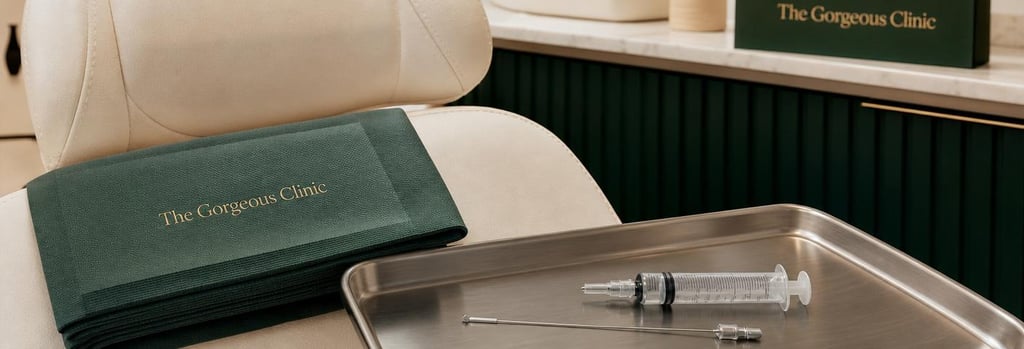
A typical treatment appointment includes a clinical assessment, marking of target points, and staged injections. The procedure usually takes 30 to 60 minutes depending on what else is being treated. Local anaesthetic in the filler reduces discomfort. Practitioners use slow, precise placement and often combine deep support points with small superficial corrections.
Mild swelling and bruising are common for a few days, and most people return to normal activities within 24 to 48 hours. Final settling takes two to four weeks as product integrates. Results are visible immediately, then refine over weeks. Repeat treatment frequency depends on product and metabolism, often 9 to 18 months.
Mild swelling and bruising are common for a few days, and most people return to normal activities within 24 to 48 hours. Final settling takes two to four weeks as product integrates. Results are visible immediately, then refine over weeks. Repeat treatment frequency depends on product and metabolism, often 9 to 18 months.
Choosing a clinic and why skill matters
The technique relies on nuanced knowledge of facial anatomy and the right product selection. Complications are uncommon with an experienced injector, but they can be serious if anatomy is misunderstood. Look for clinicians with advanced training, good before-and-after examples that suit natural results, and clear safety discussion. Free consultations let you ask about training, complication protocols and product types.
In our experience we often do more than a standard 8-point approach, combining extra support and refinements where needed to suit your face. If you are considering treatment, a consultation is the safest place to start.
In our experience we often do more than a standard 8-point approach, combining extra support and refinements where needed to suit your face. If you are considering treatment, a consultation is the safest place to start.