Temple Filler: What To Know Before Booking
Daniel Armstrong
5 minute read
Back to blog
If the temples above your cheekbones look sunken or make your face appear older, you are not alone. Temple filler can restore gentle fullness and improve facial balance, but it is an advanced area that needs careful planning. This page explains who may suit the treatment, what temple hollowing looks like, the safety issues to consider, how consultations work and what realistic results and longevity look like. If you want quick feedback, send photos to our WhatsApp on 01253 928029 or book a free consultation.
Temple Filler: What To Know Before Booking, What temple hollowing looks like
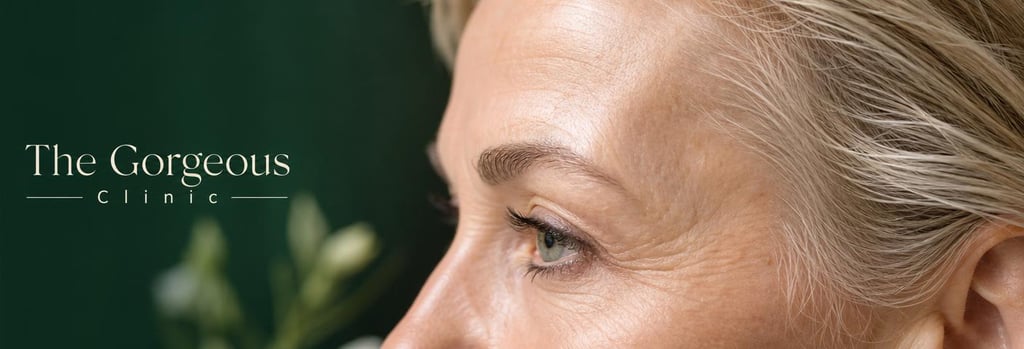
Temple hollowing is often subtle at first. The temples near the hairline can lose fat and volume with age, creating a gentle dip that casts shadow and makes the midface look heavier.
You may notice a hollow that sits between the brow and the upper cheek, or a triangular shadow when viewed in three-quarter profile. In some people it is symmetrical, in others one side is more affected. Hollowing can make earrings sit differently and can exaggerate nasolabial folds by reducing upper facial support. Treatment aims to soften that shadow and restore smooth contours rather than create big, obvious volume.
You may notice a hollow that sits between the brow and the upper cheek, or a triangular shadow when viewed in three-quarter profile. In some people it is symmetrical, in others one side is more affected. Hollowing can make earrings sit differently and can exaggerate nasolabial folds by reducing upper facial support. Treatment aims to soften that shadow and restore smooth contours rather than create big, obvious volume.
Who may be suitable
Good candidates are adults with visible temple hollowing who are otherwise medically well and realistic about outcomes. People seeking gentle structural support to rebalance the face, rather than dramatic fullness, tend to get the best-looking results.
Not everyone is suitable. Those with active skin infection near the area, certain autoimmune conditions, or who are pregnant or breastfeeding should avoid treatment until cleared by a clinician. During a consultation we review medical history, current medications including blood thinners, and your aesthetic goals to decide if temple filler is a safe, appropriate option.
Not everyone is suitable. Those with active skin infection near the area, certain autoimmune conditions, or who are pregnant or breastfeeding should avoid treatment until cleared by a clinician. During a consultation we review medical history, current medications including blood thinners, and your aesthetic goals to decide if temple filler is a safe, appropriate option.
Why it is an advanced area
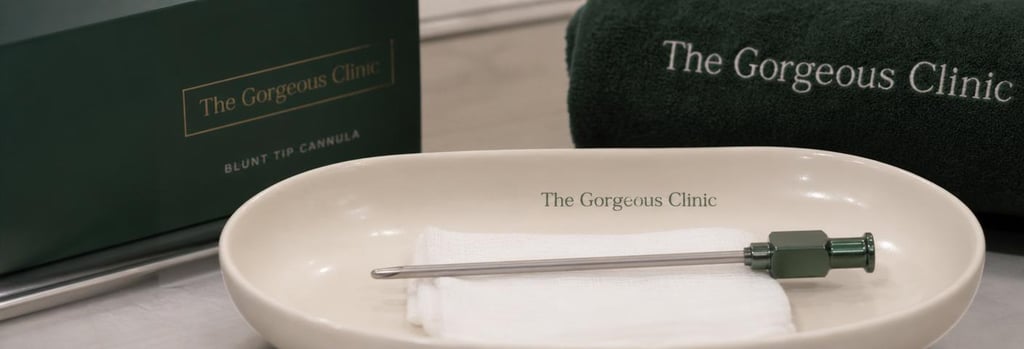
The temple area sits over important blood vessels and a complex layer of muscles and fat. Precision matters because incorrect depth or product choice can cause lumps, asymmetry or vascular compromise. For that reason we treat temples with a conservative approach and often use a cannula rather than multiple needle injections to reduce trauma.
Experienced injectors assess facial shape, bone structure and how the temple refill will alter the midface and cheek contours. This is not a one-size-fits-all injection — subtle planning and the right filler consistency are essential for a soft, natural result.
Experienced injectors assess facial shape, bone structure and how the temple refill will alter the midface and cheek contours. This is not a one-size-fits-all injection — subtle planning and the right filler consistency are essential for a soft, natural result.
Consultation and safety checks
A thorough consultation is non-negotiable. We take medical history, review recent procedures and medications, and discuss realistic outcomes and possible complications. Expect a facial assessment, photographs and a clear plan that states how much filler is likely needed, usually one to three syringes depending on the degree of hollowing and facial proportions.
We explain aftercare, signs of vascular compromise and how to contact us if you are concerned. Consultations at The Gorgeous Clinic are free, and you can also send photos for an initial review via WhatsApp on 01253 928029 for practical pre-assessment advice.
We explain aftercare, signs of vascular compromise and how to contact us if you are concerned. Consultations at The Gorgeous Clinic are free, and you can also send photos for an initial review via WhatsApp on 01253 928029 for practical pre-assessment advice.
What to expect and why experience matters
Results are usually visible immediately as the filler restores volume, but final contouring softens over two to four weeks as any swelling settles. Most patients need one treatment session to achieve the desired effect, then occasional touch-ups. Longevity varies with product, metabolic rate and placement, but temple filler often lasts 9 to 18 months.
Because the temple area is high-stakes, practitioner experience matters more than low price. An experienced clinician reduces complication risk and plans volume so the result looks balanced with the rest of the face. If you are considering treatment, a consultation is the safest place to start.
Because the temple area is high-stakes, practitioner experience matters more than low price. An experienced clinician reduces complication risk and plans volume so the result looks balanced with the rest of the face. If you are considering treatment, a consultation is the safest place to start.