PRP For Skin Rejuvenation: Natural Skin Repair Without Filler
6 minute read
Back to blog
You want fresher, healthier-looking skin but not fuller cheeks or an overfilled look. PRP, or platelet-rich plasma, can help by using your own blood-derived plasma to support skin repair and collagen production. It is a regenerative approach focused on texture, glow and skin quality, not volume. Below is practical information on who may suit PRP, what a session involves, realistic outcomes, downtime and how it pairs with microneedling, peels or polynucleotides.
PRP For Skin Rejuvenation: Natural Skin Repair Without Filler, What PRP Is
PRP stands for platelet-rich plasma, a concentrate of platelets taken from your own blood. Platelets release growth factors that support tissue repair and collagen formation. In skin work, PRP is used to improve texture, reduce fine lines and increase radiance rather than to add volume.
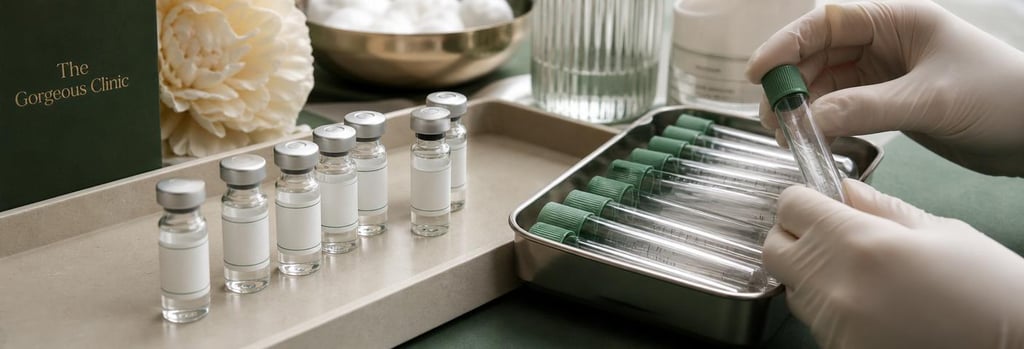
The clinician draws a small blood sample, spins it in a centrifuge to separate plasma with a higher platelet concentration, then re-applies that plasma to the treatment area. Methods vary: some practitioners inject PRP, others combine it with collagen induction techniques such as microneedling. PRP is appealing to people who prefer treatments using their own biology and modest, gradual improvements.
The clinician draws a small blood sample, spins it in a centrifuge to separate plasma with a higher platelet concentration, then re-applies that plasma to the treatment area. Methods vary: some practitioners inject PRP, others combine it with collagen induction techniques such as microneedling. PRP is appealing to people who prefer treatments using their own biology and modest, gradual improvements.
Who May Suit PRP
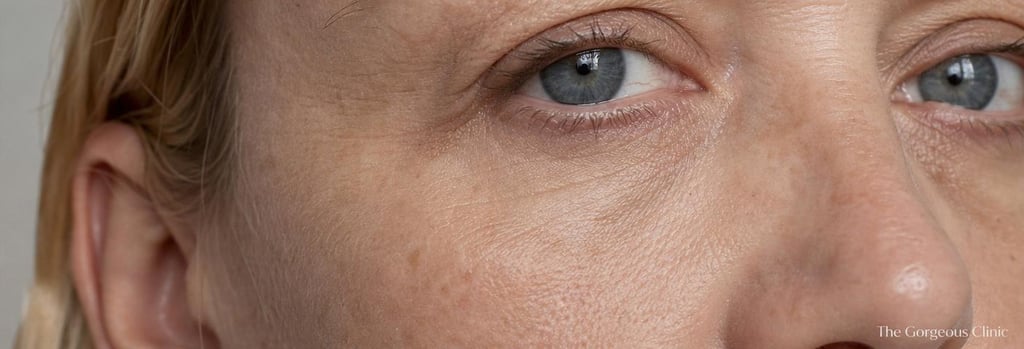
PRP suits men and women seeking subtle improvement in skin quality: fine lines, slight texture irregularities, early creasing and dullness. It is often a choice for people in their 30s to 60s who want a natural approach and minimal foreign material placed in the skin.
PRP is not a substitute for volume restoration where deeper folds or facial fat loss are present. People with active skin infections, some blood disorders, or those on certain anticoagulants may not be suitable. A consultation checks medical suitability, realistic expectations and whether PRP should be combined with microneedling, chemical peels or polynucleotides for better results.
PRP is not a substitute for volume restoration where deeper folds or facial fat loss are present. People with active skin infections, some blood disorders, or those on certain anticoagulants may not be suitable. A consultation checks medical suitability, realistic expectations and whether PRP should be combined with microneedling, chemical peels or polynucleotides for better results.
The Treatment Process
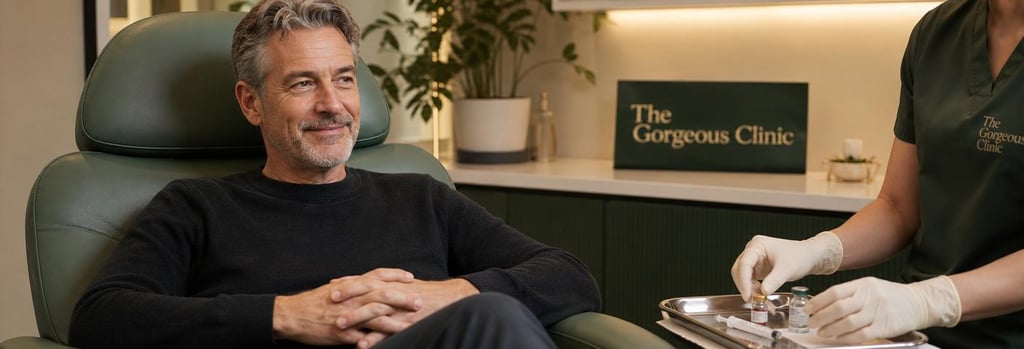
A typical session starts with a short consultation and medical check. We will explain the aim and answer questions. A small blood sample is taken and placed in a centrifuge to concentrate platelets. Preparing the PRP takes 10 to 15 minutes.
Depending on the approach, PRP can be applied after microneedling, delivered by microinjections, or placed topically to skin channels opened by needling. The whole appointment usually lasts 45 to 60 minutes. Practitioners at our clinic discuss combination plans, for example using PRP alongside microneedling or polynucleotides for improved collagen stimulation in the same session.
Depending on the approach, PRP can be applied after microneedling, delivered by microinjections, or placed topically to skin channels opened by needling. The whole appointment usually lasts 45 to 60 minutes. Practitioners at our clinic discuss combination plans, for example using PRP alongside microneedling or polynucleotides for improved collagen stimulation in the same session.
Downtime and Side Effects
Downtime is typically short. You may have mild redness, pinpoint bleeding or tiny scabs if microneedling was used, and light bruising with injected PRP. These usually settle within a few days to a week. Most clients return to normal activities the next day, avoiding vigorous exercise for 48 hours.
Serious complications are rare when a trained clinician performs the treatment. Infection risk is low but real, so sterile technique and aftercare matter. Discuss any anticoagulant medication, recent illness or skin conditions at consultation so the clinician can adapt the plan or delay treatment if needed.
Serious complications are rare when a trained clinician performs the treatment. Infection risk is low but real, so sterile technique and aftercare matter. Discuss any anticoagulant medication, recent illness or skin conditions at consultation so the clinician can adapt the plan or delay treatment if needed.
Results and Treatment Plan
Results are gradual. You may notice a subtle glow within 2 to 4 weeks as inflammation settles and early collagen changes occur. More noticeable improvement in texture and fine lines appears after 8 to 12 weeks. Typical plans use 2 to 3 sessions spaced 4 to 8 weeks apart, then an annual maintenance session, but your clinician will tailor the schedule.
PRP produces modest, natural-looking changes. For deeper lines or volume loss, combined approaches may be recommended. If you would like advice on what would suit your face, The Gorgeous Clinic can talk you through your options.
PRP produces modest, natural-looking changes. For deeper lines or volume loss, combined approaches may be recommended. If you would like advice on what would suit your face, The Gorgeous Clinic can talk you through your options.