Holiday-Ready Skin: What To Book And When
Jenna Hickson
6 minute read
Back to blog
Worried about looking tired on holiday but reluctant to rush into something last minute? If you want fresher, natural-looking results without obvious swelling or bruises, planning is everything. This piece explains which treatments suit a pre-holiday timetable, how long each needs to settle, what to avoid in the final days before travel, and simple sun-safety and aftercare points so your results look smooth and subtle rather than rushed.
Holiday-Ready Skin: What To Book And When, Which Treatments Need More Time
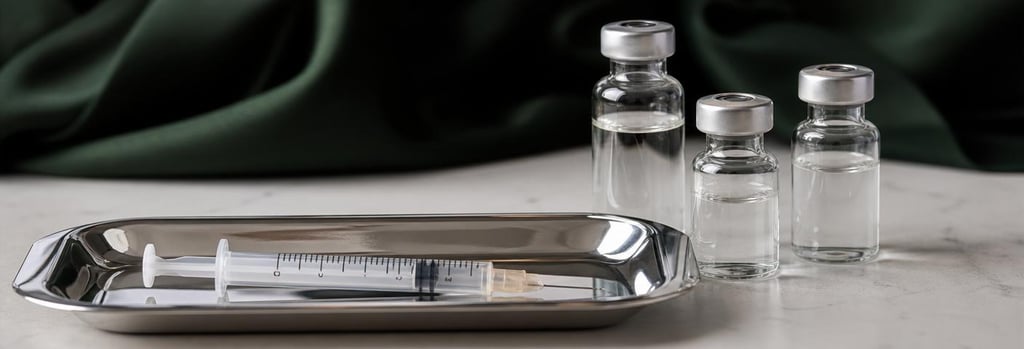
Some treatments take weeks to look their best. Anti-wrinkle injections show initial change in 3–5 days and settle at around two weeks. Book them at least three weeks before travel to allow any unexpected adjustment or a top-up.
Dermal fillers often have immediate effect but can bruise and swell. Leave four weeks before major events for settling and contour refinement. PRP and polynucleotide-style skin boosters encourage collagen over several weeks, so plan these at least six to eight weeks ahead if you want visible skin quality improvement by holiday time.
Dermal fillers often have immediate effect but can bruise and swell. Leave four weeks before major events for settling and contour refinement. PRP and polynucleotide-style skin boosters encourage collagen over several weeks, so plan these at least six to eight weeks ahead if you want visible skin quality improvement by holiday time.
Short-Notice Options
If your holiday is a fortnight away, choose low-risk, quick-recovery options. Superficial chemical peels (light glycolic or lactic) and gentle LED or enzyme treatments can brighten skin with minimal downtime when done 7–14 days before travel.
Anti-wrinkle injections can still be booked two weeks ahead, but expect earlier settling if you have them three weeks out. Avoid medium or deep peels, aggressive microneedling, and major filler changes less than four weeks before travel because of bruising and delayed healing.
Anti-wrinkle injections can still be booked two weeks ahead, but expect earlier settling if you have them three weeks out. Avoid medium or deep peels, aggressive microneedling, and major filler changes less than four weeks before travel because of bruising and delayed healing.
What To Avoid At The Last Minute
Do not leave deep chemical peels, aggressive microneedling, thread lifts, or large-volume filler for the final week. These procedures carry higher risk of swelling, bruising and temporary redness that can last longer than holiday dates.
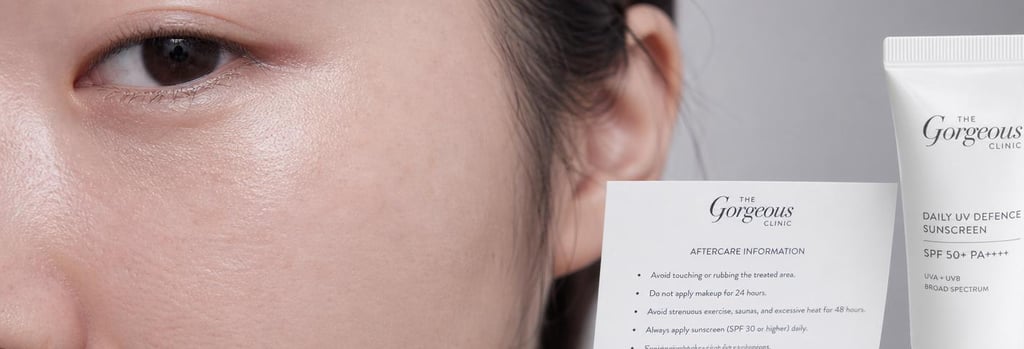
Also avoid sun exposure and self-tanning in the 7–14 days after many resurfacing procedures. Healing skin is more sensitive to UV, and pigmentation can develop if you get sunburn during recovery. Plan appointments with at least a fortnight of sun-safe behaviour afterwards.
Also avoid sun exposure and self-tanning in the 7–14 days after many resurfacing procedures. Healing skin is more sensitive to UV, and pigmentation can develop if you get sunburn during recovery. Plan appointments with at least a fortnight of sun-safe behaviour afterwards.
Practical Timing Guide
Use this simple timetable as a baseline: light peels and LED, 7–14 days; anti-wrinkle injections, 2–4 weeks; small filler adjustments, 4 weeks; skin boosters, PRP and microneedling, 6–8 weeks for noticeable collagen-driven improvement. If combining treatments, allow extra time for healing and staged appointments.
Book a planning consultation rather than a single treatment appointment. That lets your clinician build a realistic schedule and advise on sun protection, blood-thinning medicines and any pre-treatment steps to reduce bruising.
Book a planning consultation rather than a single treatment appointment. That lets your clinician build a realistic schedule and advise on sun protection, blood-thinning medicines and any pre-treatment steps to reduce bruising.
Aftercare And Sun Safety
Aftercare matters as much as the treatment. Use a high-factor, broad-spectrum sunscreen daily and avoid direct midday sun for at least two weeks after resurfacing procedures. If you bruise easily, arnica gel and gentle cold compresses can speed visible recovery, but consult your clinician before using topical products near recent injection sites.
If you are considering treatment, a consultation is the safest place to start and can tailor timing to your plans, skin type and any medications you take.
If you are considering treatment, a consultation is the safest place to start and can tailor timing to your plans, skin type and any medications you take.