Harley Street-Trained Aesthetics In Blackpool: Why Training Matters
Jenna Hickson
5 minute read
Back to blog
You want to look fresher without looking overdone, and you worry about who is qualified to safely inject your face. Training makes the difference between a considered result and a risky shortcut. Practitioners who train to a high standard study anatomy, practise supervised injections, and learn how to recognise and manage complications. That matters for every injectable, from anti-wrinkle injections to dermal fillers and more advanced techniques. This piece explains what good training looks like, why it reduces risk, and how The Gorgeous Clinic brings Harley Street-trained standards to Blackpool and the Fylde Coast.
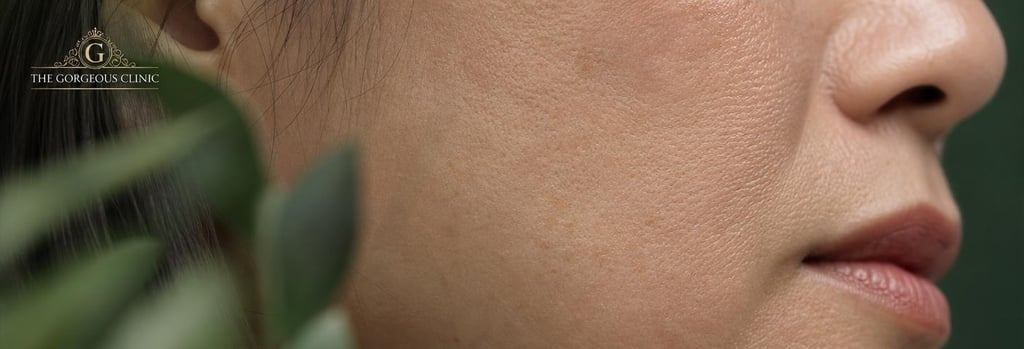
Harley Street-Trained Aesthetics In Blackpool: Why Training Matters, Why training changes outcomes
A confident result starts with trained hands. High-quality training covers facial anatomy, injection technique and patient assessment. That means the practitioner understands where vessels, nerves and fat pads sit, so they choose the right depth, product and tool for each area.
Short courses may teach basic injection steps, but they rarely give enough hands-on practice or complication drills. Better training includes supervised live patients, simulation work and case review. Those extra hours improve accuracy and reduce unexpected results, such as asymmetry, lumpiness or poor placement. For most clients, that leads to more natural, longer-lasting outcomes and fewer follow-up visits.
Short courses may teach basic injection steps, but they rarely give enough hands-on practice or complication drills. Better training includes supervised live patients, simulation work and case review. Those extra hours improve accuracy and reduce unexpected results, such as asymmetry, lumpiness or poor placement. For most clients, that leads to more natural, longer-lasting outcomes and fewer follow-up visits.

What proper training looks like
Good training is layered. It begins with anatomy and progresses to practical skills. Trainees spend substantial time learning facial vascular maps and recognising individual variation. They practise needle and cannula techniques, aspiration principles and product selection for different tissues.
Importantly, training includes complication recognition and hands-on practice in managing issues such as vascular occlusion, bruising or nodules. Ongoing education is normal: masterclasses, peer review and supervised clinics keep skills current. Practitioners with this background are more likely to adapt safely when a face does not behave like the textbook example.
Importantly, training includes complication recognition and hands-on practice in managing issues such as vascular occlusion, bruising or nodules. Ongoing education is normal: masterclasses, peer review and supervised clinics keep skills current. Practitioners with this background are more likely to adapt safely when a face does not behave like the textbook example.
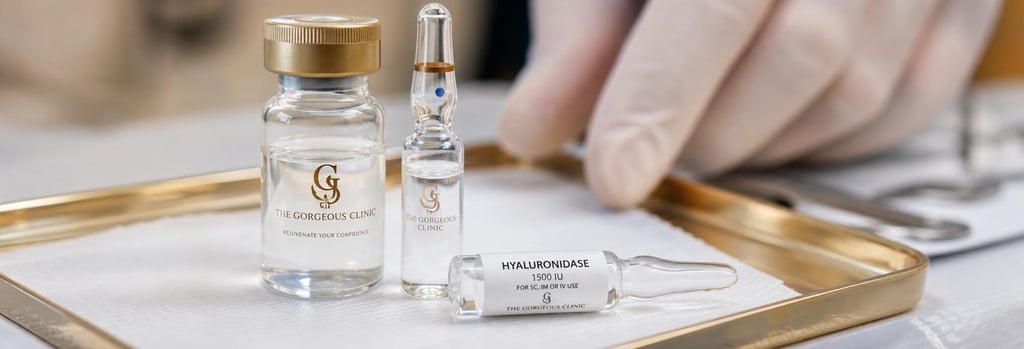
Risks, complications and why training matters
All injectables carry predictable risks. Common issues include bruising and swelling. Less common, but more serious, are vascular occlusion and infection. Fast recognition and correct action reduce harm and the chance of lasting damage.
Practitioners trained to a high standard practise complication drills: they recognise early signs, know safe hyaluronidase use for hyaluronic filler events, and have protocols for urgent care. That preparedness is not theoretical: it changes outcomes when a rare problem occurs and means quicker, safer recovery for patients.[1]
Practitioners trained to a high standard practise complication drills: they recognise early signs, know safe hyaluronidase use for hyaluronic filler events, and have protocols for urgent care. That preparedness is not theoretical: it changes outcomes when a rare problem occurs and means quicker, safer recovery for patients.[1]

Choosing a practitioner in Blackpool
Look beyond price and Instagram images. Ask where the practitioner trained, how many supervised procedures they completed, and whether a doctor, dentist or nurse leads clinical decisions. A clinic that describes complication protocols and follows recognised guidance is more reliable.
Local clinics vary across the Fylde Coast and Lancashire. Practitioners with Harley Street experience have typically trained in high-volume settings and seen a wide range of faces and complications. That experience matters for complex areas like lips, tear troughs and jawline shaping. If you are unsure, a consultation is the right first step.
Local clinics vary across the Fylde Coast and Lancashire. Practitioners with Harley Street experience have typically trained in high-volume settings and seen a wide range of faces and complications. That experience matters for complex areas like lips, tear troughs and jawline shaping. If you are unsure, a consultation is the right first step.

What to expect at your consultation
A thorough consultation covers medical history, current medications, previous facial procedures and realistic goals. Expect a facial assessment with attention to anatomy, skin quality and movement. Your practitioner should discuss product options, likely effects, downtime and follow-up care.
At The Gorgeous Clinic we blend careful Harley Street-trained technique with pragmatic planning for local faces in Blackpool and the North West. Consultations are offered without charge and give space to ask questions about risks and recovery. If you would like personalised advice on what would suit your face, The Gorgeous Clinic can talk you through your options.
At The Gorgeous Clinic we blend careful Harley Street-trained technique with pragmatic planning for local faces in Blackpool and the North West. Consultations are offered without charge and give space to ask questions about risks and recovery. If you would like personalised advice on what would suit your face, The Gorgeous Clinic can talk you through your options.