Frown Lines: Why You Look Cross, And How To Soften Them
Clinical Director John
5 minute read
Back to blog
You worry that constant frowning has left a permanent scowl. That vertical crease between the brows is usually a mix of muscle, skin and sometimes a small bone ridge. Repeated muscle movement deepens the groove over years, and simple skincare can only do so much. There are sensible treatment options that soften the area while keeping expression natural. Below you will find clear, practical explanations of causes, when anti-wrinkle injections help, and why filler, collagen induction therapy or peels are sometimes needed to get the best result.
Frown Lines: Why You Look Cross And How To Soften Them, What causes frown lines
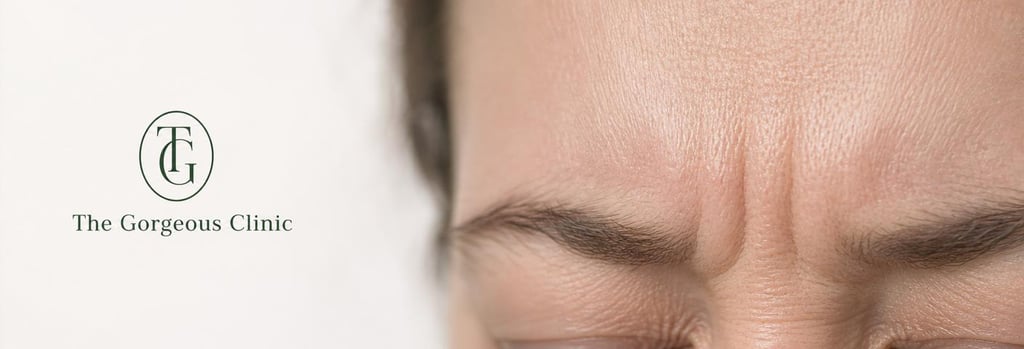
Frown lines, often called glabellar lines, sit between the eyebrows and run vertically. The main cause is repeated contraction of the corrugator and procerus muscles when we squint, concentrate or frown. Over time, these repeated movements crease the skin and underlying soft tissue.
Anatomy plays a part. Some people have a small ridge or dip on the bone under the muscle. That makes the crease look deeper and more permanent. Age-related thinning of skin and loss of collagen also make lines more noticeable. Longstanding creases can develop tonal differences and textural changes that simple creams cannot fully correct.
Anatomy plays a part. Some people have a small ridge or dip on the bone under the muscle. That makes the crease look deeper and more permanent. Age-related thinning of skin and loss of collagen also make lines more noticeable. Longstanding creases can develop tonal differences and textural changes that simple creams cannot fully correct.
1
Wrinkles and lines - NHS (https://www.nhs.uk/conditions/wrinkles-and-lines) - 2024
2
Botulinum toxin - British Association of Dermatologists (https://www.bad.org.uk) - 2021
How anti-wrinkle injections work
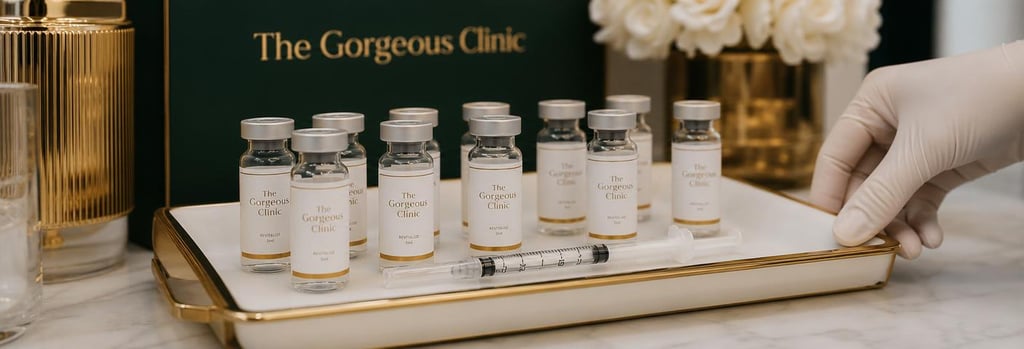
Anti-wrinkle injections temporarily reduce muscle activity by blocking the nerve signal to the corrugator and procerus muscles. When those muscles relax, dynamic creases soften, and the vertical lines become less obvious. Results usually start to appear within a few days and settle by two weeks.
The goal is to soften the area while preserving natural expression. Over-treatment can freeze the face and look unnatural. Experienced clinicians place small doses into specific muscle groups so you can still frown gently but without the deep crease. Treatments are commonly effective in the Blackpool area when administered carefully and reviewed at follow-up。[1]
The goal is to soften the area while preserving natural expression. Over-treatment can freeze the face and look unnatural. Experienced clinicians place small doses into specific muscle groups so you can still frown gently but without the deep crease. Treatments are commonly effective in the Blackpool area when administered carefully and reviewed at follow-up。[1]
1
Botulinum toxin for cosmetic use - NHS (https://www.nhs.uk/conditions/botox/) - 2024
When filler or skin treatments help
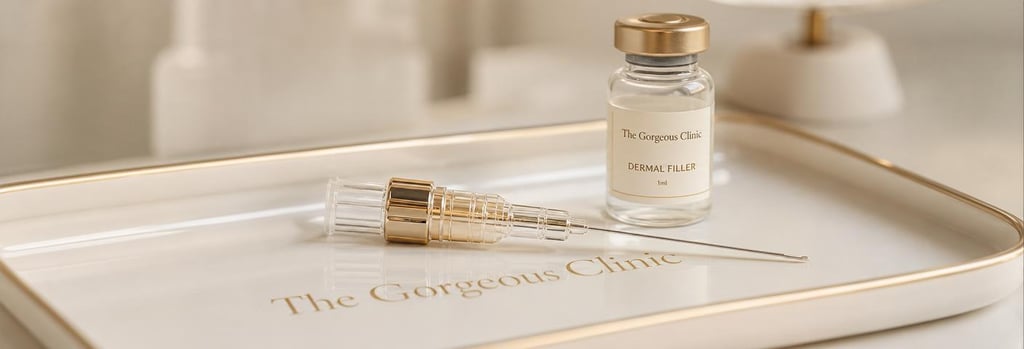
Anti-wrinkle injections treat the muscles that cause dynamic lines. They do not replace lost volume or lift a deeply sunken crease caused by a bone ridge. For very deep or long-established frown lines, a small amount of dermal filler can support the soft tissue and smooth the surface. This is not common for everyone, but it is a sensible option when the crease has a structural element.
If skin texture or tone is uneven after decades of creasing, gentle resurfacing such as chemical peels or collagen induction therapy can help even the surface and improve pigment. Combining approaches often gives the best, natural-looking result, and we assess this on a case-by-case basis.[1] [2]
If skin texture or tone is uneven after decades of creasing, gentle resurfacing such as chemical peels or collagen induction therapy can help even the surface and improve pigment. Combining approaches often gives the best, natural-looking result, and we assess this on a case-by-case basis.[1] [2]
1
Dermal filler safety guidance - British Association of Dermatologists (https://www.bad.org.uk) - 2020
2
Skin resurfacing procedures - NICE (https://www.nice.org.uk) - 2019
What to expect at consultation
A consultation begins with discussion of your concerns, medical history and any previous treatments. The clinician assesses muscle activity, skin quality and the bone structure around the glabella. This lets us decide whether injections alone are likely to help or whether filler or skin treatments should be considered.
We show realistic before-and-after photos of similar cases and explain risks and recovery. Follow-up is important. Anti-wrinkle treatments are adjusted at a two-week review if needed. Consultations at The Gorgeous Clinic are free, and WhatsApp on 01253 928029 is the easiest way to ask a question or arrange an appointment.
We show realistic before-and-after photos of similar cases and explain risks and recovery. Follow-up is important. Anti-wrinkle treatments are adjusted at a two-week review if needed. Consultations at The Gorgeous Clinic are free, and WhatsApp on 01253 928029 is the easiest way to ask a question or arrange an appointment.
Choosing treatment and aftercare
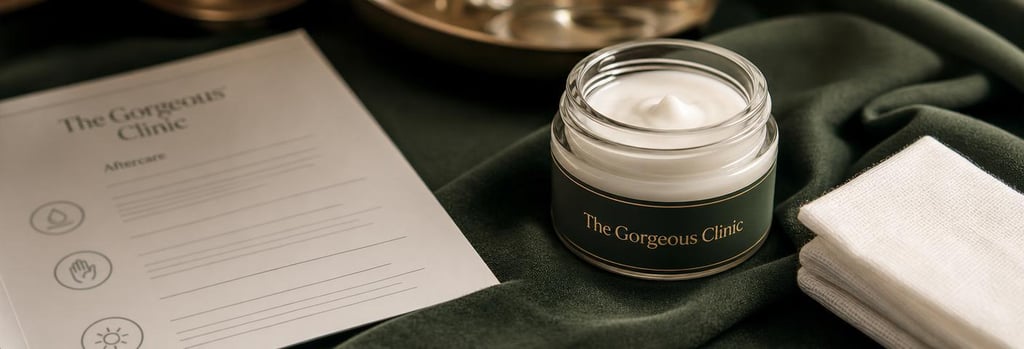
Choose a clinic with clinical qualifications, clear safety processes and experience treating the glabella. The area is close to important blood vessels and the eyes, so treatment should only be done by trained professionals with emergency plans. Ask to see licensed product names and aftercare instructions.
After anti-wrinkle injections you may have small bruises or tenderness. Avoid heavy exercise and alcohol for 24 to 48 hours, and sleep with your head elevated the first night if advised. If filler is used, follow instructions about massage and signs of complication. If you would like advice on what would suit your face, The Gorgeous Clinic can talk you through your options.
After anti-wrinkle injections you may have small bruises or tenderness. Avoid heavy exercise and alcohol for 24 to 48 hours, and sleep with your head elevated the first night if advised. If filler is used, follow instructions about massage and signs of complication. If you would like advice on what would suit your face, The Gorgeous Clinic can talk you through your options.
1
Aesthetic procedures: safety advice - MHRA (https://www.gov.uk/government/organisations/medicines-and-healthcare-products-regulatory-agency) - 2021