Aesthetics CPD Courses: Why Learning Should Not Stop After Qualifying
Jenna Hickson
5 minute read
Back to blog
You qualified, you passed, and now you still feel a little unsure when a client asks for a subtle refresh. That nervousness is common and useful: it shows you care. Continued professional development keeps that feeling honest, by giving you updated clinical knowledge, sharper judgment and a dependable safety net. Ongoing CPD helps you navigate new products, evolving techniques and the small but important anatomy details that change how you plan treatments. For many practitioners, a few focused CPD modules are the difference between guessing and confident clinical decisions.
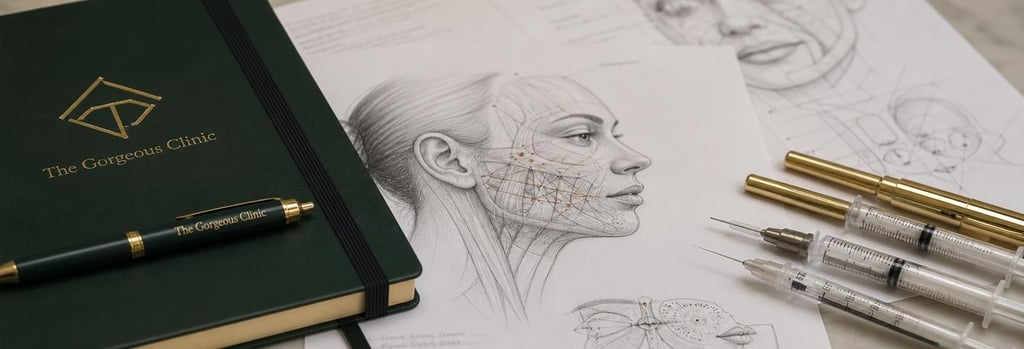
Aesthetics CPD Courses: Why Learning Should Not Stop After Qualifying, Why CPD Matters Now
Aesthetic medicine moves quickly, so what you learned on day one is often not enough a year later. New products, updated safety guidance and revised best-practice around injection areas all change how treatments should be planned. CPD keeps you current in ways that protect clients and protect your professional standing.
Beyond safety, CPD preserves and builds clinical judgement. Short refresher modules, case reviews and anatomy refreshers sharpen decision-making in everyday consultations, so you make consistent, safer choices under pressure.
Beyond safety, CPD preserves and builds clinical judgement. Short refresher modules, case reviews and anatomy refreshers sharpen decision-making in everyday consultations, so you make consistent, safer choices under pressure.
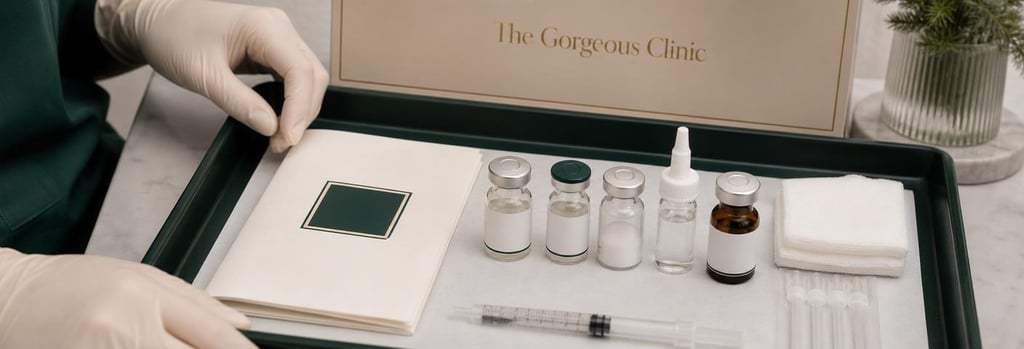
Products and Manufacturer Change
New brands arrive, formulations are tweaked, and manufacturers update guidance. That affects how long products last, ideal placement and safety contraindications. Regular CPD sessions and manufacturer updates help you spot meaningful changes and avoid using old assumptions during a consultation.
When a product's instructions or contraindications change, learning about those specifics prevents incorrect techniques and helps you counsel clients honestly about expected results and downtime. This is particularly important for clinics offering a range of injectable options or advanced combination treatments.
When a product's instructions or contraindications change, learning about those specifics prevents incorrect techniques and helps you counsel clients honestly about expected results and downtime. This is particularly important for clinics offering a range of injectable options or advanced combination treatments.
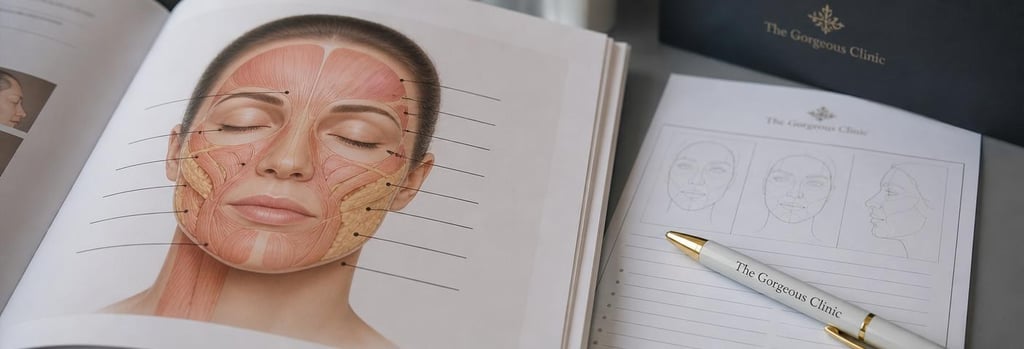
Anatomy Refreshers and Complication Awareness
Anatomy is the single most important safety tool you have. Small positional changes in vessels, nerve branches or tissue planes alter risk in real consultations. CPD anatomy refreshers focus on real-world variation and clinical mapping, not abstract diagrams. They improve your ability to choose technique and to notice red flags at consultation.
Complication awareness training complements anatomy learning. Knowing early signs of vascular compromise, infection or poor placement, and being clear about escalation and referral, reduces harm. Use CPD to rehearse decision pathways and to align your clinic protocols with up-to-date guidance. If relevant, review NHS or specialty society updates for formal clinical positions. [1]
Complication awareness training complements anatomy learning. Knowing early signs of vascular compromise, infection or poor placement, and being clear about escalation and referral, reduces harm. Use CPD to rehearse decision pathways and to align your clinic protocols with up-to-date guidance. If relevant, review NHS or specialty society updates for formal clinical positions. [1]

Confidence, Consultation and Treatment Planning
Confidence in aesthetics comes from repeated, purposeful practice and from repeatedly testing your plan. CPD helps you refine consultation structure, photographic documentation and realistic treatment sequencing. That means being able to explain why you might stage treatments over months, or why you would prioritise skin quality before filler.
Better treatment planning reduces poor outcomes and saves time for clients and clinic. Short online modules on consultation language, consent nuances and photographic standards offer immediate, practical gains. They also help with managing client expectations and reducing complaint risk.
Better treatment planning reduces poor outcomes and saves time for clients and clinic. Short online modules on consultation language, consent nuances and photographic standards offer immediate, practical gains. They also help with managing client expectations and reducing complaint risk.
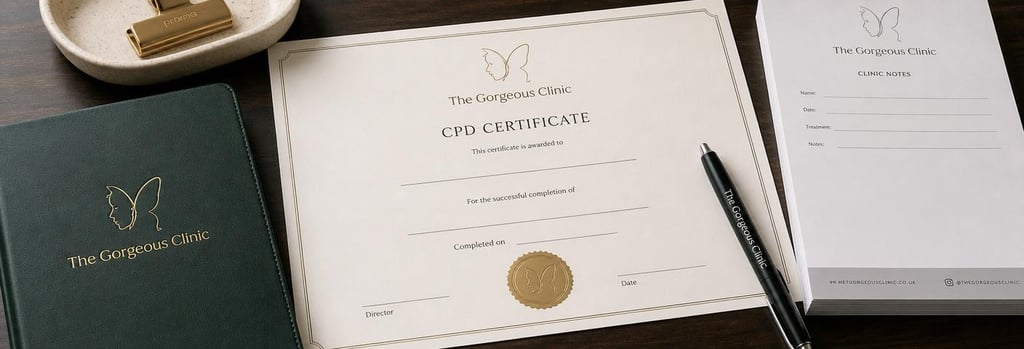
Choosing the Right CPD and Next Steps
Not all CPD is equal. Choose courses that match your gap areas: anatomy, complication management, product updates or business systems. Look for providers that state learning outcomes, include case-based discussion and offer supporting resources. Some modules are CPD-accredited and will say so clearly; others provide practical learning without formal points. The Gorgeous Clinic Academy runs selected modules that carry CPD certification where applicable, and many of our online options suit clinic-ready practitioners wanting focused refreshers.
If you need a practical skills top-up, combine online CPD with in-person masterclasses. For example, pairing an online theory module with a supervised hands-on day helps translate knowledge to safe technique. If you are expanding into anti-wrinkle work, consider structured learning that matches your scope and insurance requirements, and review device or product-specific notes before treating clients. [[LINK:anti-wrinkle-injections|anti-wrinkle treatments]] If your basic training left you wanting more depth, The Gorgeous Clinic Academy can help you build the next layer.
If you need a practical skills top-up, combine online CPD with in-person masterclasses. For example, pairing an online theory module with a supervised hands-on day helps translate knowledge to safe technique. If you are expanding into anti-wrinkle work, consider structured learning that matches your scope and insurance requirements, and review device or product-specific notes before treating clients. [[LINK:anti-wrinkle-injections|anti-wrinkle treatments]] If your basic training left you wanting more depth, The Gorgeous Clinic Academy can help you build the next layer.
Ready to grow?
Our academy is free to join, and we have some incredible resources for every practitioner from beginner to expert.
View Courses
Whatsapp Our Booking Team