Treatments For Ageing Skin In Your 40s, 50s & 60s
Jenna Hickson
6 minute read
Back to blog
Worried your skin is starting to look tired, crepey or thinner than it used to? In your 40s, 50s and 60s the priorities shift from dramatic change to restoring hydration, texture and gentle support where volume has dropped. This notes common concerns and sensible treatment options you are likely to be offered. Expect practical comparisons, realistic outcomes and what to ask at a consultation so you leave feeling informed, not overwhelmed.
Treatments For Ageing Skin In Your 40s, 50s & 60s, What changes with age?
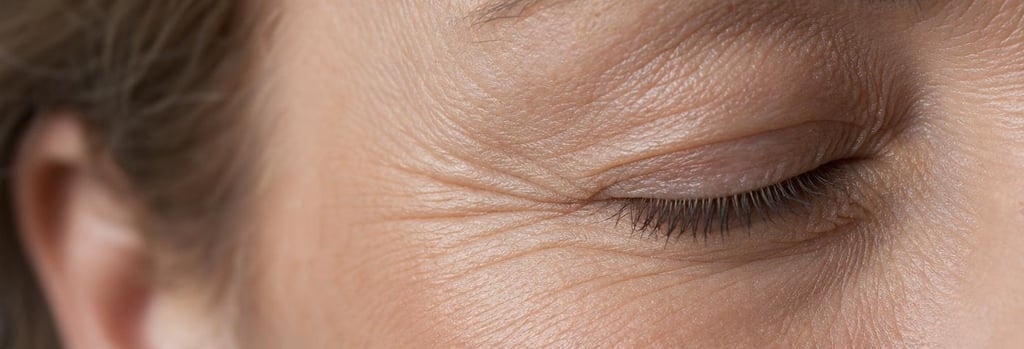
Skin in your 40s, 50s and 60s commonly shows several predictable changes: fine lines from repeated facial movement, loss of fat and bone support that flattens contours, reduced collagen and elastin causing laxity, and lower skin oils leading to dryness and crepey texture. Sun damage and pigmentation often build up too.
Recognising which problem is dominant helps pick the right treatment. Fine lines respond differently to injectable muscle relaxants than volume loss, which may need careful filler. Dull, thin skin often benefits most from treatments that restore hydration and stimulate collagen rather than quick surface fixes.
Recognising which problem is dominant helps pick the right treatment. Fine lines respond differently to injectable muscle relaxants than volume loss, which may need careful filler. Dull, thin skin often benefits most from treatments that restore hydration and stimulate collagen rather than quick surface fixes.
1
NHS - How skin changes with age (https://www.nhs.uk) - 2024
Quick lines and movement
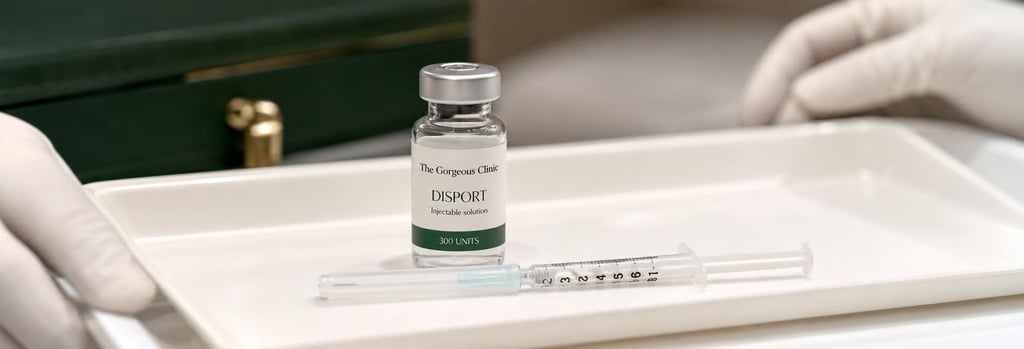
Anti-wrinkle injections reduce the strength of muscles that cause expression lines, so dynamic wrinkles soften over 7 to 14 days. They suit forehead lines, frown lines and crow's feet, and can look very natural when dosed conservatively. Results last around three to four months and can be adjusted at follow-up.
These treatments do not replace lost volume or fix sagging. At consultation expect a facial assessment, discussion of realistic effect and an aftercare plan. Discuss medical history including any neuromuscular conditions or recent facial procedures. The procedure is quick, and downtime is usually minimal.
These treatments do not replace lost volume or fix sagging. At consultation expect a facial assessment, discussion of realistic effect and an aftercare plan. Discuss medical history including any neuromuscular conditions or recent facial procedures. The procedure is quick, and downtime is usually minimal.
1
MHRA - Botulinum products guidance (https://www.gov.uk) - 2023
Improving skin quality and hydration
If the skin feels thin, dry or dull, treatments that attract water and stimulate collagen are useful. Profhilo and injectable moisturisers contain high-quality hyaluronic acid which spreads beneath the skin to improve hydration and skin laxity. Polynucleotides and polynucleotide-based injectables aim to support cell signalling and dermal regeneration; evidence is growing and some patients report improved tone and texture.
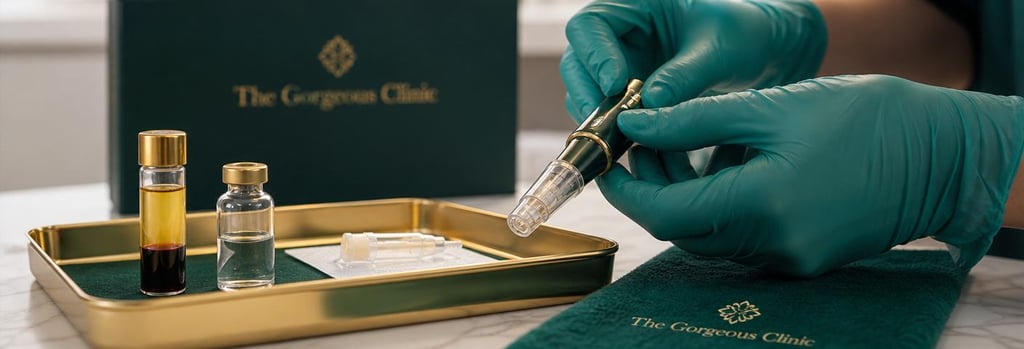
Collagen induction therapies, including microneedling with or without PRP, create controlled micro-injury to encourage repair and thicker dermis. These options work best when combined with a good topical skincare routine and sun protection.
Collagen induction therapies, including microneedling with or without PRP, create controlled micro-injury to encourage repair and thicker dermis. These options work best when combined with a good topical skincare routine and sun protection.
1
British Association of Dermatologists - Skin age and treatments (https://www.bad.org.uk) - 2022
2
Selected peer-reviewed studies on microneedling and PRP (various journals) - 2020-2024
Careful volume replacement
When facial hollows, deep nasolabial lines or flattened cheeks cause an aged look, careful dermal filler can restore support. The emphasis is subtle volume and structural support rather than over-filled contours. Hyaluronic acid fillers are reversible with hyaluronidase if needed, which adds a safety layer.
Filler is less suitable for superficial lines and can look odd if used without addressing surrounding tissue. A staged approach often works best: start with modest correction, review results at two weeks, and adjust. Discuss risks such as bruising, swelling and rare vascular events at consultation.
Filler is less suitable for superficial lines and can look odd if used without addressing surrounding tissue. A staged approach often works best: start with modest correction, review results at two weeks, and adjust. Discuss risks such as bruising, swelling and rare vascular events at consultation.
1
NICE and professional guidance on dermal fillers (various) - 2021-2024

Choosing what’s right for you
Deciding between injections, collagen stimulation and resurfacing depends on your skin, goals and how much downtime you can accept. A realistic plan often combines two or three low-risk treatments spaced over months for cumulative improvement. Ask for examples of similar patients and expect a frank discussion of limitations.
Choose a regulated clinic with qualified practitioners and clear aftercare. Free consultations let you weigh options without pressure. If you would like personalised advice on what would suit your face, The Gorgeous Clinic can talk you through the options.
Choose a regulated clinic with qualified practitioners and clear aftercare. Free consultations let you weigh options without pressure. If you would like personalised advice on what would suit your face, The Gorgeous Clinic can talk you through the options.
1
NHS - Choosing cosmetic procedures safely (https://www.nhs.uk) - 2024