How Temple Filler Softens A Tired, Hollow-Looking Face
Jenna Hickson
5 minute read
Back to blog
You may notice your temples are hollowing, and the upper face looks harsher or more tired. That shadow under the brow, a slightly lower brow position and a heavier-looking eyelid can all come from lost volume at the temple. Carefully placed temple filler can restore gentle support, reduce shadowing and help the eye area look less hooded, without the overfilled look people fear. This note explains what temple filler can do, the limits of treatment and the sensible safety points to consider before booking a consultation.
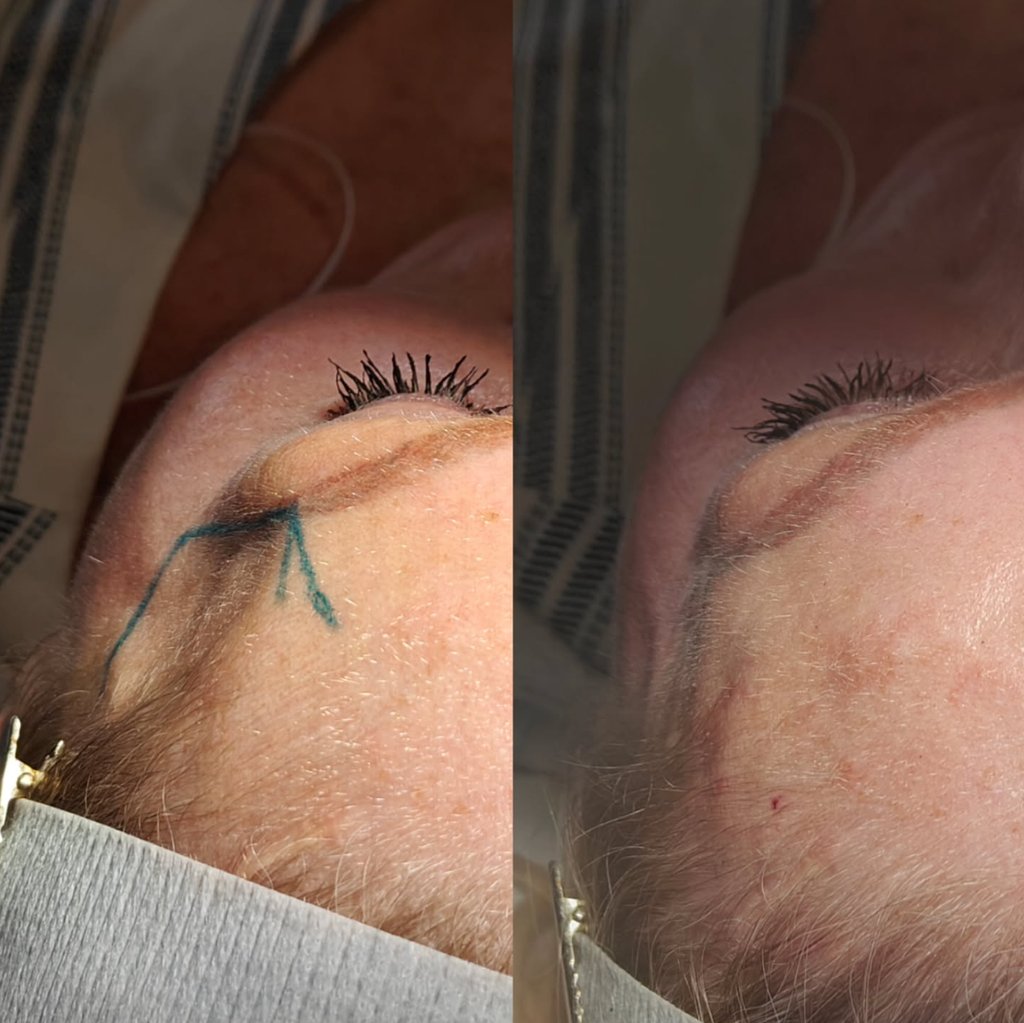
How Temple Filler Softens A Tired, Hollow-Looking Face, Why temples matter
The temples are more than a cosmetic corner of the face. They act like a supporting frame for the upper face, helping the brow and lateral orbital tissues sit in a balanced position. When temple fat and volume decline with age, the forehead and brow can look flatter or more hollow, creating shadowing at the upper eyelid and a tired expression.
That shadow and loss of support can make eyes look hooded and the face appear narrower, harsher or older than someone feels. Restoring subtle volume at the temple therefore often softens the whole upper third of the face, improving facial harmony without changing the central features.
That shadow and loss of support can make eyes look hooded and the face appear narrower, harsher or older than someone feels. Restoring subtle volume at the temple therefore often softens the whole upper third of the face, improving facial harmony without changing the central features.
What careful temple filler does
Temple filler is usually a hyaluronic acid gel placed into the deep temporal region to restore structural support beneath the lateral brow and the upper cheek. The aim is structural, not to 'plump' the face. A modest volume can lift the lateral brow subtly, reduce shadowing at the outer eye and give the eye a less hooded appearance.
The best results come from treating the area conservatively and assessing how small changes influence brow position and cheek contour. When done well, the effect reads as improved balance and a softer overall expression rather than an obvious 'filled' look.
The best results come from treating the area conservatively and assessing how small changes influence brow position and cheek contour. When done well, the effect reads as improved balance and a softer overall expression rather than an obvious 'filled' look.
Who may benefit
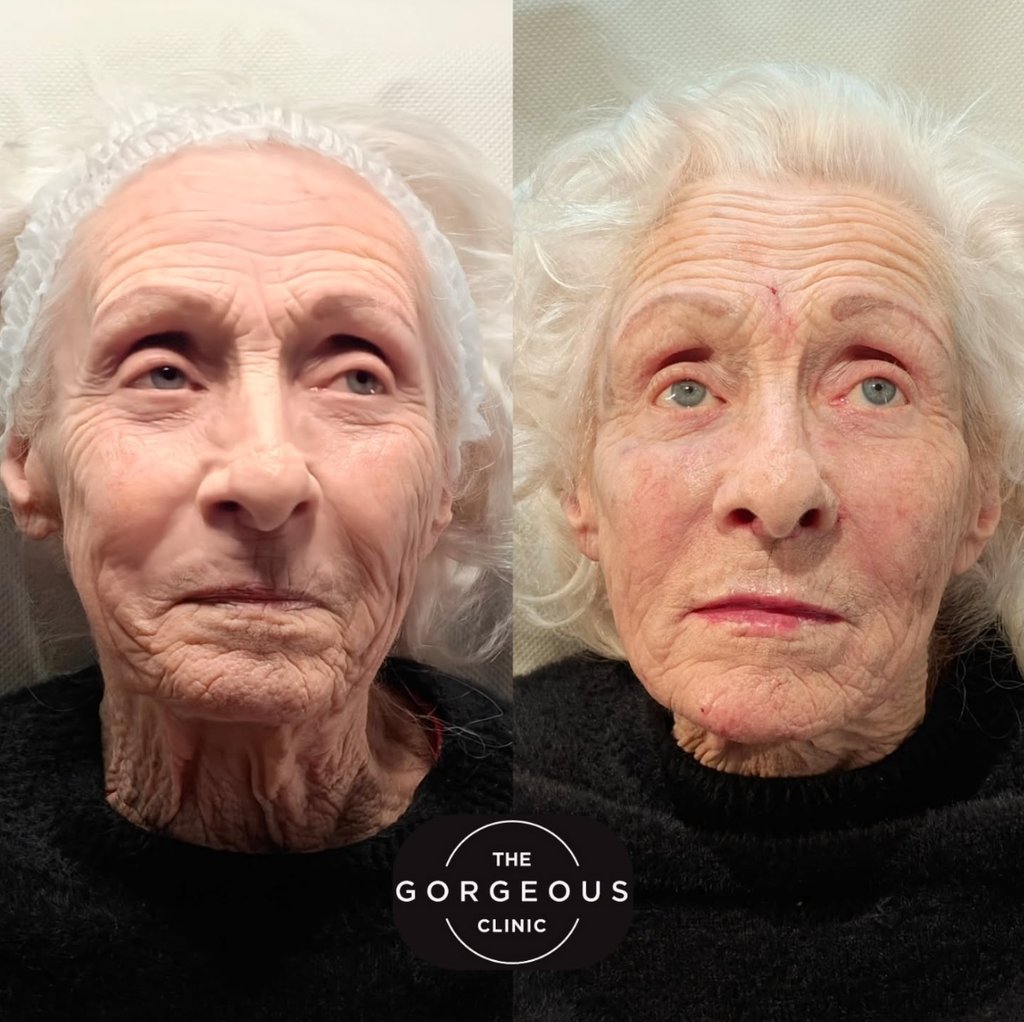
People noticing hollowing at the temple, lateral brow droop, or increased shadowing around the outer eye often see the most benefit. It suits men and women in their 40s, 50s and 60s who want a fresher, less tired look without obvious change to the central face.
Temple filler is not a solution for excess eyelid skin or heavy drooping brows that need surgical correction. A consultation will confirm whether filler, a combination of treatments or referral to a surgeon is the proper option.
Temple filler is not a solution for excess eyelid skin or heavy drooping brows that need surgical correction. A consultation will confirm whether filler, a combination of treatments or referral to a surgeon is the proper option.
Safety and common risks
Temple injections are in a vascular area, so safety and anatomy knowledge matter. Common temporary side effects include bruising, swelling and tenderness near the injection site. More serious but rare risks include vascular occlusion and skin changes; experienced practitioners use correct placement, aspiration where appropriate and small volumes to reduce risk.[1]
You should disclose medications, previous facial procedures and any medical history at consultation. Ask about the practitioner’s anatomy training and their emergency protocols. A cautious clinic will give clear aftercare advice and a follow-up plan.
You should disclose medications, previous facial procedures and any medical history at consultation. Ask about the practitioner’s anatomy training and their emergency protocols. A cautious clinic will give clear aftercare advice and a follow-up plan.
1
Vascular Occlusion - British Association of Aesthetic Plastic Surgeons (https://baaps.org.uk) - 2020
What to expect and aftercare
A typical visit starts with a focused consultation and facial assessment. The practitioner will mark the temple, discuss realistic aims and use small, incremental injections. Most appointments include topical or local anaesthesia for comfort, and patients can usually resume normal activities within 24 to 48 hours.
Aftercare is simple: avoid heavy exercise and alcohol for 24 to 48 hours, sleep propped slightly up for the first night if swelling occurs, and use gentle skincare. Results are visible quickly but subtle settling and minor swelling can take 1 to 2 weeks. If you would like advice on what would suit your face, The Gorgeous Clinic can talk you through your options.
Aftercare is simple: avoid heavy exercise and alcohol for 24 to 48 hours, sleep propped slightly up for the first night if swelling occurs, and use gentle skincare. Results are visible quickly but subtle settling and minor swelling can take 1 to 2 weeks. If you would like advice on what would suit your face, The Gorgeous Clinic can talk you through your options.
1
Cosmetic Procedures - NHS (https://www.nhs.uk/conditions/cosmetic-procedures/) - 2023