Keeping Dermal Filler Looking Fresh in Blackpool
Clinical Director John
5 minute read
Back to blog
You want filler that looks natural and lasts, especially living near the Fylde Coast where wind, sea air and changeable weather can feel like extra wear on the skin. Small habits before and after treatment make a real difference. This piece explains practical aftercare, day-to-day measures and realistic expectations so you know what helps and what doesn’t. Think hydration, sun sense, gentle exercise timing and sensible maintenance rather than miracle fixes.
Keeping Dermal Filler Looking Fresh in Blackpool, What Changes How Long Filler Lasts
Different factors affect how long filler lasts. Product type matters: denser hyaluronic acids used for cheeks often last longer than softer gels used for lips. Your individual metabolism also plays a big role. People with faster metabolisms or higher facial movement may see earlier breakdown of product.
Environmental and behavioural factors matter too. Sun exposure, frequent sauna or very hot baths, smoking and repeated heavy exercise right after treatment can all shorten visible duration. Coastal weather itself does not dissolve filler, but windy, sunny or drying conditions can accelerate skin dehydration, which makes results look less smooth.
Environmental and behavioural factors matter too. Sun exposure, frequent sauna or very hot baths, smoking and repeated heavy exercise right after treatment can all shorten visible duration. Coastal weather itself does not dissolve filler, but windy, sunny or drying conditions can accelerate skin dehydration, which makes results look less smooth.
1
Dermal fillers - NHS (https://www.nhs.uk/conditions/dermal-fillers/) - 2024
2
MHRA - Injectable dermal fillers guidance - GOV.UK (https://www.gov.uk/government/organisations/medicines-and-healthcare-products-regulatory-agency) - 2021
First Two Weeks: Critical Aftercare
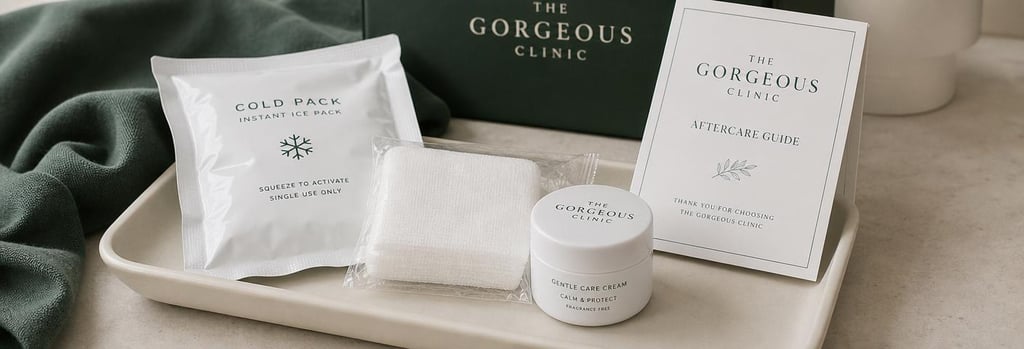
Most of the settling and most risks happen in the first 14 days. Keep the treated area clean and avoid touching or pressing it unnecessarily. Sleep slightly elevated for the first couple of nights if swelling is present. Avoid intense heat such as saunas, steam rooms or hot tubs for two weeks because heat increases circulation and can speed filler breakdown.
Skip facials, chemical peels and aggressive exfoliation for at least two weeks. If you experience unusual pain, spreading redness, increasing swelling or vision changes, seek urgent medical advice. Routine bruising and mild swelling are common and usually settle within days to a fortnight. Cold packs can ease discomfort but do not massage vigorously unless advised by your clinician.
Skip facials, chemical peels and aggressive exfoliation for at least two weeks. If you experience unusual pain, spreading redness, increasing swelling or vision changes, seek urgent medical advice. Routine bruising and mild swelling are common and usually settle within days to a fortnight. Cold packs can ease discomfort but do not massage vigorously unless advised by your clinician.
1
Dermal fillers - Aftercare - NHS (https://www.nhs.uk/conditions/dermal-fillers/) - 2024
Hydration, Sun and Skincare
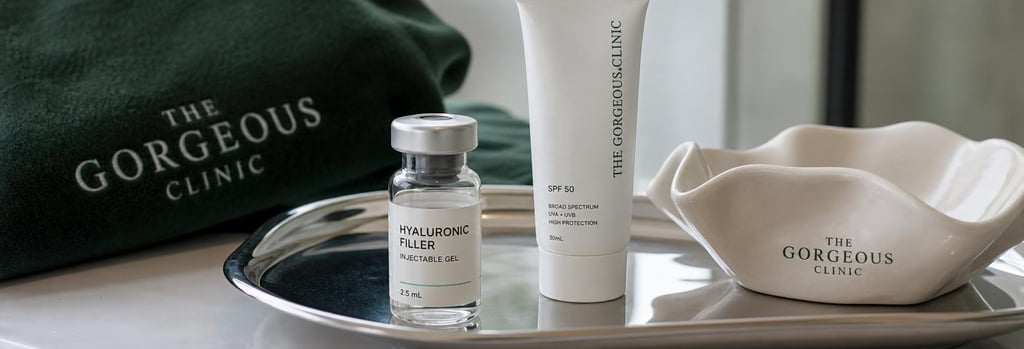
Hydration helps filler look smoother. Drink water regularly and use a humectant-rich moisturiser to support skin plumpness. Apply a broad-spectrum SPF 30 or higher every morning, and reapply after heavy breeze, sweating or swimming. UV exposure degrades skin quality and can make filler look dull sooner.
Choose skincare sensibly. Continue gentle vitamin C serums and moisturisers. Delay retinoids or strong acids for at least a week after treatment unless your clinician advises otherwise. If you live locally on the Fylde Coast, salty sea air and wind can dry the skin; a richer night cream during windy months helps maintain surface hydration.
Choose skincare sensibly. Continue gentle vitamin C serums and moisturisers. Delay retinoids or strong acids for at least a week after treatment unless your clinician advises otherwise. If you live locally on the Fylde Coast, salty sea air and wind can dry the skin; a richer night cream during windy months helps maintain surface hydration.
1
Sun protection - British Association of Dermatologists (https://www.bad.org.uk) - 2023
Exercise, Alcohol and Routine Habits
Timing matters. Avoid heavy exercise and prolonged cardio for 24 to 48 hours after filler to limit swelling and bruising, and to reduce early product movement. After that initial window, regular moderate exercise is fine and beneficial for general health.
Limit alcohol for 24 to 48 hours around treatment because it increases bleeding and bruising risk. Smoking reduces skin quality long term and may make results look older sooner. For those who enjoy coastal walks, wearing a breathable scarf in high wind helps reduce skin moisture loss.
Limit alcohol for 24 to 48 hours around treatment because it increases bleeding and bruising risk. Smoking reduces skin quality long term and may make results look older sooner. For those who enjoy coastal walks, wearing a breathable scarf in high wind helps reduce skin moisture loss.
Maintenance, Product Choice and Realistic Expectations
Different areas behave differently. Cheek and jawline filler tends to last longer than lip filler because of lower movement and denser product choice. A qualified clinician will recommend the right filler type for each area and an interval for top-ups based on how your body metabolises the product.
Plan maintenance appointments rather than waiting for a dramatic change. Many patients prefer small top-ups at six to twelve months to maintain shape. Realistically, expect variable longevity and avoid clinics promising fixed timelines. If you would like advice on what would suit your face, The Gorgeous Clinic can talk you through your options.
Plan maintenance appointments rather than waiting for a dramatic change. Many patients prefer small top-ups at six to twelve months to maintain shape. Realistically, expect variable longevity and avoid clinics promising fixed timelines. If you would like advice on what would suit your face, The Gorgeous Clinic can talk you through your options.
1
Cosmetic interventions - NICE (https://www.nice.org.uk) - 2018