Chin Filler in Blackpool: Small Change, Big Difference
Clinical Director John
6 minute read
Back to blog
If your profile feels like it needs a little structural support, a small, well-placed filler can make a surprisingly elegant difference. Chin filler supports the lower face and improves proportion, often without the obvious ‘I’ve had work done’ look. Many clients come in hoping for better jawline definition or a smoother profile, not dramatic change. This piece explains what chin filler commonly achieves, who may benefit, how it sits alongside other lower-face treatments, and why careful planning and conservative technique matter.

Chin Filler in Blackpool: Small Change, Big Difference, What chin filler does
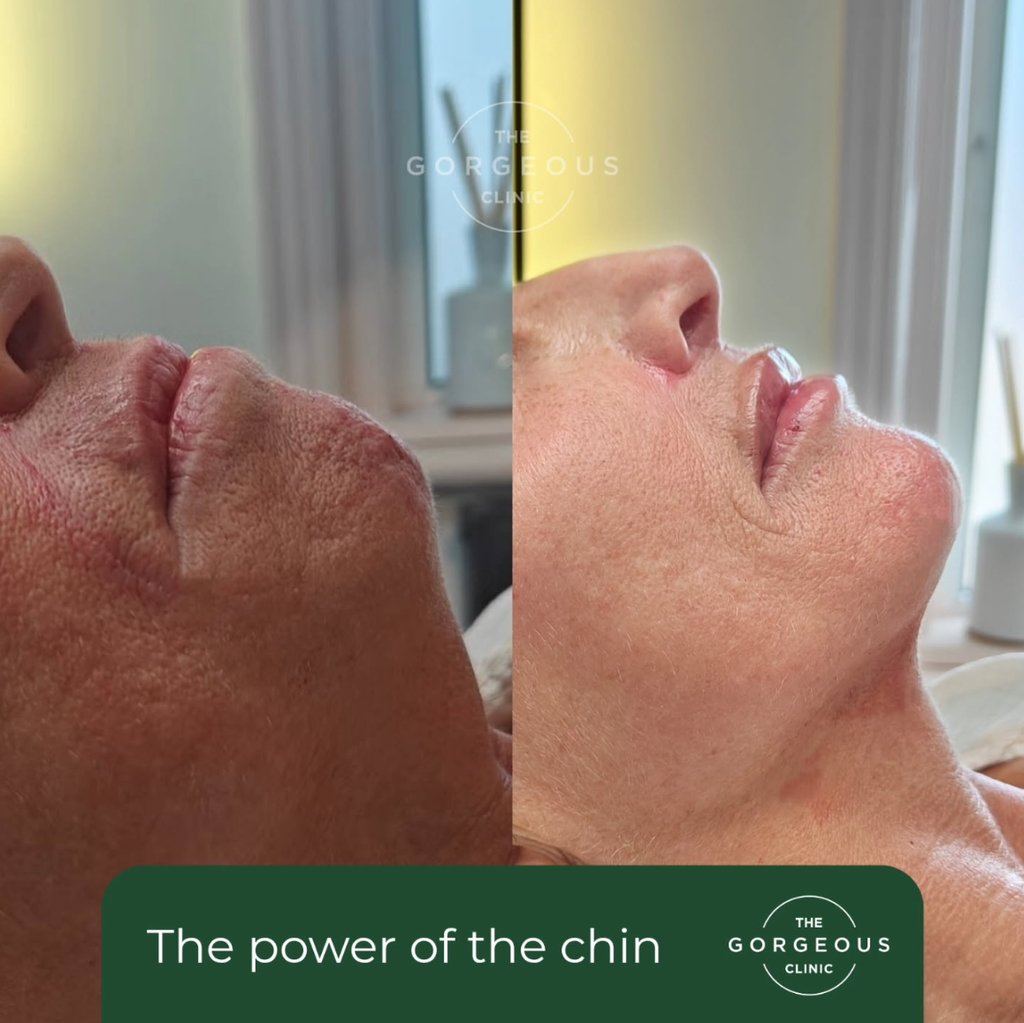
Chin filler adds controlled volume to the chin and the area just behind it. This can subtly lengthen or project the chin, improve the angle between chin and lower lip, and create a straighter, more balanced profile. The aim is structural support rather than fuller cheeks or obvious augmentation.
A carefully chosen gel filler can also lift and define the lower face, making the jawline appear more connected and less indistinct. Results are immediate, but we expect some settling over the first two weeks. This is why conservative initial placement and a short review are standard practice.
A carefully chosen gel filler can also lift and define the lower face, making the jawline appear more connected and less indistinct. Results are immediate, but we expect some settling over the first two weeks. This is why conservative initial placement and a short review are standard practice.
1
NHS - Dermal fillers (https://www.nhs.uk/conditions/cosmetic-treatments/dermal-fillers/) - 2024
2
British Association of Aesthetic Plastic Surgeons - Facial fillers (https://www.baaps.org.uk/patients/information/facial-fillers/) - 2023
Who might suit it
Chin filler suits people with a recessed or weak chin, mild asymmetry, or those who want better lower-face proportion without surgery. It is often chosen by people in their 30s to 60s who notice a retrusion of the chin or a loss of definition around the jawline, but suitability comes down to facial anatomy and realistic expectations.
Surgical chin implants remain the option for larger structural changes. If you have significant skin laxity or heavy jowling, filler alone may not give the lift you expect. A consultation will clarify whether filler, threads, or surgery are the right path.
Surgical chin implants remain the option for larger structural changes. If you have significant skin laxity or heavy jowling, filler alone may not give the lift you expect. A consultation will clarify whether filler, threads, or surgery are the right path.
1
NICE - Cosmetic procedures considerations (https://www.nice.org.uk/) - 2022

Consultation and planning
The consultation is where proportion, symmetry and your aesthetic aim are discussed. We assess your facial measurements, profile lines, skin quality and dental relationship, because the jaw and teeth can influence chin appearance. We use photographs and simple measurements to plan subtle changes and explain expected outcomes.
We will discuss what you like about your face and what you do not, and whether a little more projection or reshaping is sensible. For example, a modest 0.5–2.0ml of hyaluronic acid in staged treatments is common, but the exact amount depends on your anatomy. Conservative planning and staged treatment avoid an over-filled look.
We will discuss what you like about your face and what you do not, and whether a little more projection or reshaping is sensible. For example, a modest 0.5–2.0ml of hyaluronic acid in staged treatments is common, but the exact amount depends on your anatomy. Conservative planning and staged treatment avoid an over-filled look.
1
MHRA - Guidance on injectable medical devices (https://www.gov.uk/government/organisations/medicines-and-healthcare-products-regulatory-agency) - 2023
Safety and what to expect
Chin filler is performed under local anaesthetic or topical numbing and usually takes 20 to 40 minutes. Common short-term effects are swelling, bruising and tenderness. These usually improve within seven to 14 days. Serious complications are rare but include infection, vascular occlusion and prolonged asymmetry; prompt clinic review reduces risk and improves outcomes [1].
Choosing a regulated clinic and qualified injector is the best safeguard. We follow clear consent, product-traceability and aftercare protocols and provide a review appointment within two weeks. If you notice severe pain, rapid swelling or changes in vision, seek immediate medical attention and contact the clinic.
Choosing a regulated clinic and qualified injector is the best safeguard. We follow clear consent, product-traceability and aftercare protocols and provide a review appointment within two weeks. If you notice severe pain, rapid swelling or changes in vision, seek immediate medical attention and contact the clinic.
1
NHS - Dermal fillers risks (https://www.nhs.uk/conditions/cosmetic-treatments/dermal-fillers/) - 2024
2
British Association of Aesthetic Plastic Surgeons - Safety resources (https://www.baaps.org.uk/) - 2022

Complementary treatments and longevity
Chin filler pairs well with subtle jawline contouring or modest lip work when balanced planning is used. Lip filler can change lower-face proportions, so treating both areas together or in stages allows better harmony. For clients with skin laxity, skin tightening or resurfacing treatments can improve results further.
Most hyaluronic acid chin fillers last 12 to 24 months depending on product, placement and individual metabolism. Touch-up top-ups are normal to maintain shape. If you are considering treatment, a consultation is the safest place to start and will clarify the realistic options for your face.
Most hyaluronic acid chin fillers last 12 to 24 months depending on product, placement and individual metabolism. Touch-up top-ups are normal to maintain shape. If you are considering treatment, a consultation is the safest place to start and will clarify the realistic options for your face.
1
Selected product information and clinical reviews - Various manufacturers (https://www.mhra.gov.uk/) - 2021