Approaches to Acne Scarring: Microneedling and More
Jenna Hickson
5 minute read
Back to blog
You want fewer pitted or shaded marks from old acne, but you also know there is no single quick fix. Acne scarring comes in different types, so the first step is careful assessment. That determines whether collagen induction (microneedling), subcision for tethered dents, a series of chemical peels for texture and pigment, or platelet-rich plasma as a supportive option makes sense. Expect gradual improvement, multiple sessions and sensible realism rather than overnight transformation.
Approaches to Acne Scarring: Microneedling and More, Why assessment matters
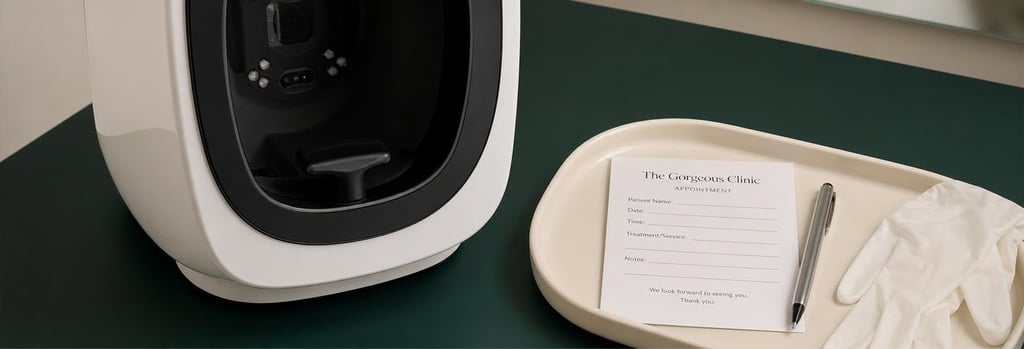
Acne scarring is an umbrella term. Scars can be icepick, boxcar, rolling, or tethered and each behaves differently. A targeted plan starts with identifying the dominant scar type and the skin’s overall condition, such as oiliness, sun damage or pigment. That determines which treatments are likely to help and which are unlikely to make a meaningful difference.
Expect a consultation that includes skin analysis, discussion of medical history and realistic goal-setting. Photos and sometimes test patches will guide safe treatment choices and sequencing.
Expect a consultation that includes skin analysis, discussion of medical history and realistic goal-setting. Photos and sometimes test patches will guide safe treatment choices and sequencing.
1
British Association of Dermatologists - Acne scarring guidance (https://www.bad.org.uk) - 2022
Microneedling and collagen induction
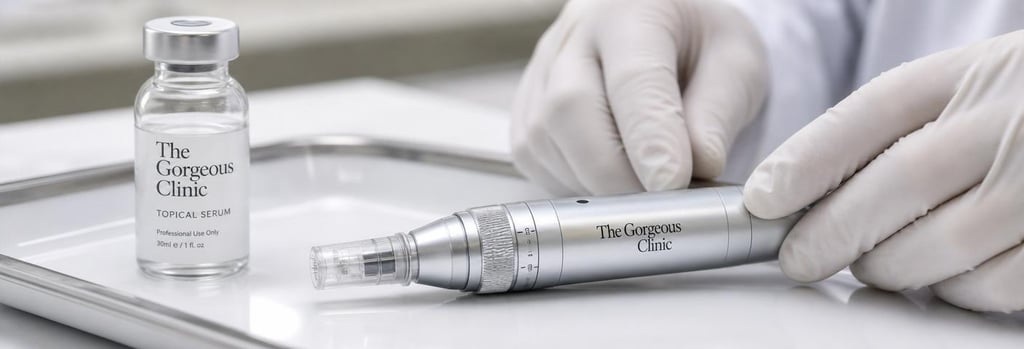
Microneedling stimulates new collagen by creating controlled micro-injuries. It is useful for rolling and shallow boxcar scars and for improving overall skin texture. Sessions are typically spaced 4 to 6 weeks apart, with a course of three or more often advised. Results are gradual, with incremental tightening and smoothing over several months.
Treatment depth and device type matter. Devices range from automated pen systems to radiofrequency-needling hybrids. Good aftercare and sun protection are essential. Microneedling can be combined with topical serums or PRP to support healing in selected patients.
Treatment depth and device type matter. Devices range from automated pen systems to radiofrequency-needling hybrids. Good aftercare and sun protection are essential. Microneedling can be combined with topical serums or PRP to support healing in selected patients.
1
NICE - Procedural safety summaries (https://www.nice.org.uk) - 2021
Subcision and filler support
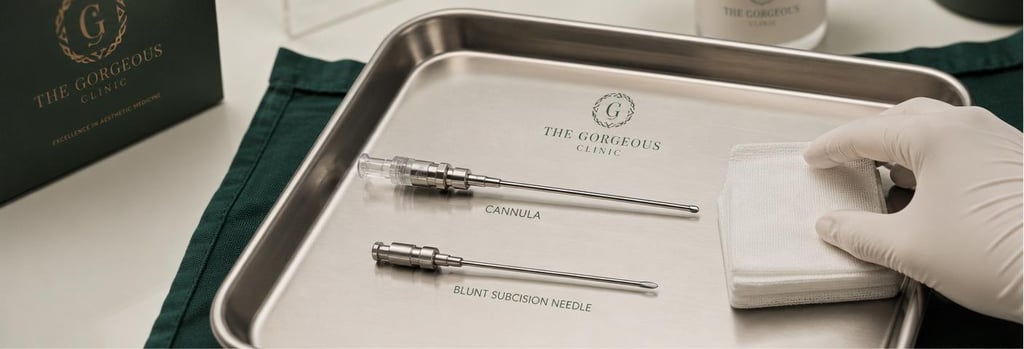
Tethered or depressed scars that are bound down to deeper tissue often respond best to subcision. The practitioner releases the fibrous bands beneath a scar with a blunt needle or cannula, allowing the skin to lift. This procedure is usually combined with collagen-stimulating collagen induction or with small-volume dermal filler where appropriate to support lift.
Subcision has immediate mechanical effect, but optimal smoothing often needs several interventions and time for new collagen to form. Risks include bruising and temporary lumpiness, so careful technique and experience matter. We assess suitability at consultation, especially in darker skin types where pigment or hypertrophic change can be an issue.
Subcision has immediate mechanical effect, but optimal smoothing often needs several interventions and time for new collagen to form. Risks include bruising and temporary lumpiness, so careful technique and experience matter. We assess suitability at consultation, especially in darker skin types where pigment or hypertrophic change can be an issue.
1
British Association of Dermatologists - Scar management overview (https://www.bad.org.uk) - 2020
2
Journal of Dermatologic Surgery - Subcision and filler combinations review (https://www.ncbi.nlm.nih.gov) - 2019

Chemical peels and pigment
Chemical peels improve surface texture and can reduce post-inflammatory pigment that often accompanies old acne. Superficial and medium-depth peels are selected based on skin type, scar depth and pigment risk. Peels can soften shallow boxcar scars and smooth fine irregularities, but they rarely erase deep pitting by themselves.
Peels carry risk of pigment changes, particularly in darker skin tones, so patch testing and conservative peel selection are important. Multiple light to medium peels spaced appropriately are usually safer and more predictable than a single aggressive peel.
Peels carry risk of pigment changes, particularly in darker skin tones, so patch testing and conservative peel selection are important. Multiple light to medium peels spaced appropriately are usually safer and more predictable than a single aggressive peel.
1
NHS - Chemical peels and skin risks (https://www.nhs.uk) - 2021
What to expect and choosing care
Realistic outcomes require time, patience and a staged approach. Many clients need combinations of treatments across months, not a single session cure. Expect swelling, redness or bruising after invasive steps, and gradual improvement as collagen remodelling occurs over 3 to 6 months. Photographs taken at baseline help track progress.
Choosing a clinic matters. Look for experienced practitioners who assess scar type, explain risks for your skin tone and outline a multi-step plan. Consultations at The Gorgeous Clinic are no-cost and focus on safe, personalised options. If you would like advice on what would suit your face, The Gorgeous Clinic can talk you through your options.
Choosing a clinic matters. Look for experienced practitioners who assess scar type, explain risks for your skin tone and outline a multi-step plan. Consultations at The Gorgeous Clinic are no-cost and focus on safe, personalised options. If you would like advice on what would suit your face, The Gorgeous Clinic can talk you through your options.